Custom Military Medals & Challenge Coins — Honor Cast in Metal
A military challenge coin is not a promotional trinket. It carries the weight of service — literally, at brass 8.9 g/cm³, 33% heavier than commercial zinc coins. Our 0.5–2mm 3D relief captures every detail of unit insignia: eagles' wing feathers, anchors' chain links, crossed rifles' bolts. Antique finishes darken the recesses and brighten the highlights — the coin looks like it has history, even fresh from the mint. Laser serial numbering on edge or back makes each piece accountable. Produced in a BSCI and Disney FAMA certified factory, with 8 active compliance certifications audited annually. This is not merchandise. This is military tradition, manufactured to government standards.
Military Medal & Challenge Coin Quick Specs — Technical Reference
| Specification | Standard | Options / Upgrade |
|---|---|---|
| Material | Brass (8.9 g/cm³) — military-grade density, authentic weight | Zinc alloy (6.7 g/cm³) for large medals; Iron for budget; Aluminum for lightweight |
| Size (Diameter) | 1.75 inches (44mm) — standard challenge coin | 2–2.5 inches (50–63mm) for presentation pieces; 1.25–1.5 inches (32–38mm) for pocket coins |
| Thickness | 3–4mm — standard military coin heft | Up to 6mm for oversized presentation coins and command-level awards |
| 3D Relief Depth | 0.5–2mm sculptural depth — designed to be felt | Fine detail down to 0.1mm for text, insignia, and background texture |
| Plating Finish | Antique gold, antique silver, antique copper, antique bronze | Mirror gold/silver; Matte black nickel; Two-tone / dual-plating; Rainbow iridescent |
| Enamel Type | Hard enamel — ceramic-smooth, flush surface, no recessed texture | Soft enamel (recessed texture, lower cost); Translucent; Glow-in-the-dark; Glitter |
| Edge Treatment | Reeded (coin-like ridges); Diamond-cut (45° bevel, catches light); Smooth | Custom edge text (unit motto, date, coordinates) — laser or stamped |
| Serial Numbering | Laser engraving on edge or back — sequential or variable data from Excel/CSV | QR codes; Data matrix codes; Custom alphanumeric prefixes (e.g., 1STBN-0001) |
| Presentation | Individual velvet pouch — included with every coin | Acrylic capsule; Velvet gift box; Wooden display case; Custom foam insert — quoted separately |
| MOQ | 100 pieces per design | Volume discounts at 300 / 500 / 1,000 / 5,000+; Lower per-unit at scale |
| Production Time | 3–4 weeks after sample approval | Rush production: 2–3 weeks (in-stock materials, expedited plating schedule) |
What Separates a Military Challenge Coin From a Promotional Token
Military challenge coins carry expectations that no other custom coin faces. Weight must feel substantial. Finish must look distinguished, not flashy. Edges must be precise. Surface must stay clean through handling. These four factors define whether a coin earns a place in a service member's collection or gets buried in a drawer.
Weight — Brass 8.9 vs Zinc 6.7 g/cm³
Pick up a brass challenge coin and you know it's real before you look at the design. Brass density is 8.9 g/cm³ — that is 33% heavier than zinc alloy at 6.7 g/cm³. A standard 1.75-inch brass coin weighs approximately 30 grams; the same coin in zinc weighs about 22 grams. That 8-gram difference is the gap between 'this feels substantial' and 'this feels like a bottle cap.' Brass costs 20–40% more per unit than zinc alloy, and for military and government orders, the premium is justified. Brass also accepts antique plating more richly — the darker recesses and brighter highlights that define military coin aesthetics develop deeper contrast on brass substrates. Our position: quote both materials, recommend brass for challenge coins, use zinc alloy for oversized medals where weight from brass would be impractical and die-casting complexity requires zinc's lower melting point.
Antique Finishes — Depth That Mirror Finishes Destroy
Mirror-polished gold looks great on jewelry. On a military coin with 3D relief, it flattens the design — light bounces off the raised surfaces and the recessed areas with nearly equal intensity, erasing the visual depth your mold designer worked to create. Antique finishing solves this. The electrophoresis process deposits a dark compound into recessed areas while leaving raised surfaces bright. The result: your unit crest's eagle pops forward, the crossed rifles behind it recede, and the lettering reads clearly at a glance. Antique gold, silver, copper, and bronze — each creates a coin that looks like it carries decades of tradition, not weeks of production. For commands that want a darker, more tactical aesthetic, matte black nickel with polished raised elements provides maximum contrast. Antique finishes also hide minor handling wear better than mirror finishes — a practical advantage for coins that get carried, traded, and displayed.
Edge Treatment — The Detail Most Coins Get Wrong
The edge of a coin is the first surface your thumb touches. Reeded edges (the parallel ridges you feel on a quarter) communicate 'coin' instantly — familiar, traditional, authoritative. Diamond-cut edges use a 45-degree bevel that catches light from every angle, creating a subtle glow around the coin's perimeter — especially striking on presentation pieces under ceremony lighting. Smooth edges offer a modern, clean profile that works well with edge lettering. Speaking of edge lettering: unit mottoes, dates, coordinates, or command names laser-engraved around the coin's edge are technically demanding — the engraving must wrap a curved surface with consistent depth and alignment. This is the mark of a truly custom coin, not a stock blank with a sticker. Our laser equipment runs edge engraving at 0.02mm precision, calibrated per batch. All three edge styles — reeded, diamond-cut, smooth — are available at no cost difference; edge lettering adds a small per-unit surcharge for the additional production step.
Hard Enamel — The Military Standard, Explained
Hard enamel (also called imitation hard enamel or cloisonne-style) produces a completely flush surface — the enamel fills the recessed areas of the coin exactly to the level of the metal borders, then the entire surface is polished flat. Run your fingernail across a hard enamel coin and you feel one continuous smooth plane, like a minted currency coin. Soft enamel, by contrast, leaves the enamel slightly recessed below the metal borders — you can feel the texture, and those recessed areas trap dirt, skin oils, and moisture over time. For a coin that gets handled — traded at reunions, carried in pockets, displayed on desks — hard enamel stays clean and presentable. It costs 15–25% more than soft enamel due to the additional polishing step and higher enamel fill precision required, but for military orders it is the expected standard. Hard enamel also delivers richer color saturation because the filled enamel is denser (less air trapped during filling) and the polished surface reflects light uniformly across the entire color area.
Customization Options — Make Every Coin Unmistakably Yours
Dual-Plating
Gold body with nickel (silver) insignia — or vice versa. The unit crest rendered in bright nickel against an antique gold background creates instant visual hierarchy. Masking during the plating process isolates each finish to its designated area. Small per-unit surcharge for the additional plating step and masking labor. Popular for command coins where the insignia must stand apart from the field.
Serial Numbering on Edge
Laser-engraved sequential numbers around the coin's edge — each coin individually marked and traceable. Common for numbered edition command coins (e.g., 001/500), retirement presentations, and commemorative pieces. Variable data from your roster file (Excel/CSV) — names, ranks, dates, unit designators. Edge numbering preserves the back design for full artwork.
Custom Edge Text — Unit Motto
Your unit motto, deployment dates, geographic coordinates, or command name engraved around the coin's edge. Laser precision at 0.02mm accuracy. Common choices: SEMPER FIDELIS, DE OPPRESSO LIBER, THIS WE'LL DEFEND, or custom Latin mottoes. Edge lettering identifies the coin even when face-down — a mark of a fully custom piece.
Presentation Cases
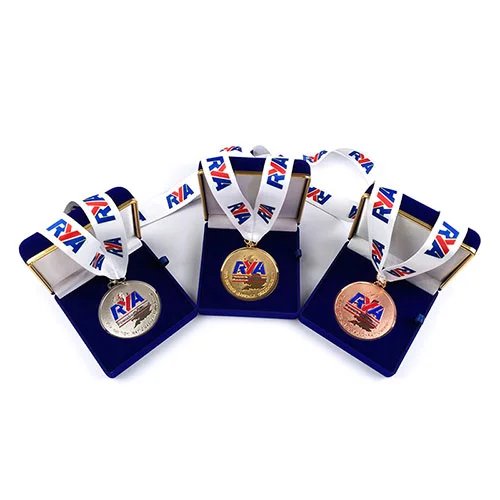
Velvet pouches (included standard with every coin). Upgrades: rigid velvet gift boxes with satin lining, acrylic display capsules with black base, wooden display cases with engraved nameplates, and custom foam inserts cut to the exact coin profile. Each option quoted separately. Military ceremonies deserve presentation packaging that matches the weight of the moment.
3D Relief up to 2mm Depth
Maximum sculptural depth for dramatic unit insignia. Eagles with outstretched wings that rise 2mm from the coin surface. Anchors, swords, and crests rendered in deep relief you can feel with your thumb. Die-casting and stamping both achieve this depth — the material choice (brass vs zinc alloy) determines which production method applies. Discussed during design review.
Rainbow / Iridescent Plating
A specialized electroplating process that produces a spectrum of colors shifting across the metal surface — gold to purple to blue to green depending on viewing angle. Popular for special operations unit coins, aviation squadron pieces, and commemorative editions. More delicate than traditional antique finishes; recommend acrylic capsule presentation to protect the surface.
Factory-Direct — What That Actually Means for Military & Government Orders
Military & Government Experience
We have produced challenge coins, unit medals, and commemorative pieces for military commands, government agencies, law enforcement departments, and veterans' organizations across multiple countries. Our team understands military design language — heraldry, insignia hierarchy, branch-specific symbolism, and the unspoken rule that a military coin must feel like it means something. We speak your language: battalion, squadron, detachment, command. We understand the difference between a company coin and a division coin, and we'll size and spec accordingly.
BSCI & Disney FAMA Certified — 8 Active Certifications
Our factory holds 8 active compliance certifications audited annually: BSCI (Business Social Compliance Initiative — ethical manufacturing, labor standards, workplace safety), Disney FAMA (Facility and Merchandise Authorization — supply chain security, product safety, ethical sourcing), ISO 9001 quality management, and additional environmental and social compliance standards. For government procurement officers: these certifications mean audited supply chain transparency, documented quality control procedures, and verified ethical manufacturing. Certificates available for review upon request.
Mold Ownership — Your Mold, Your Property, Never Reused
When we cut a mold for your unit coin, that mold belongs to you. Period. It is labeled with your unit designation, cataloged, and archived in our secure mold library. It will never be used for another client's order. It will never be shown to another client as a sample. When you reorder next year — updated date, same design — we retrieve your mold, produce your coins, and return it to archive. If you ever want your mold shipped to you or destroyed, we'll provide documented confirmation. This is non-negotiable. Military coins carry unit identity; that identity is not for sale to anyone else.
Military Challenge Coin FAQ — Straight Answers From the Factory Floor
Zinc alloy or brass — which should I choose for my unit coin?
Brass for challenge coins. At 8.9 g/cm³ it is 33% heavier than zinc alloy (6.7 g/cm³), and that weight difference is the first thing anyone notices when they pick up the coin. Brass also accepts antique finishes with richer contrast. Zinc alloy is better suited for large medals (3 inches and above) where brass would be too heavy and expensive. We quote both materials so you can compare cost vs feel directly. Most military commands choose brass for coins and zinc alloy for oversized presentation pieces.
Can you do dual-plating — gold and silver on the same coin?
Yes. Gold body with nickel (silver) insignia is the most common military request — the unit crest stands out clearly against the background. The process involves masking the areas that should remain the first finish, applying the second finish to the unmasked areas, then removing the mask. A small per-unit surcharge applies for the additional plating step and masking labor. Dual-plating works especially well on coins with a central crest or badge element.
What are the standard challenge coin sizes?
1.75 inches (44mm) is the most common challenge coin size — palm-sized, substantial without being bulky. 2 to 2.5 inches (50 to 63mm) for presentation and command-level coins — the extra diameter gives more surface area for complex insignia and engraving. 1.25 to 1.5 inches (32 to 38mm) for pocket coins — designed to be carried daily. Standard thickness is 3 to 4mm; oversized presentation coins can go up to 6mm for maximum heft.
Can each coin have a unique serial number?
Yes. Laser engraving on the coin edge or back surface. Sequential numbering (001 through 500) or custom variable data from your provided file — names paired with numbers, ranks with dates, any alphanumeric format. Edge numbering keeps the coin face clean for design while marking each piece individually. Back engraving allows longer data strings. Data programming setup is a one-time per-order cost; per-unit engraving cost is minimal.
Do you offer presentation cases for military coins?
Yes. Every coin order includes individual velvet pouches as standard. Upgrades available: rigid velvet gift boxes with satin interior lining, clear acrylic display capsules with black base stands, wooden display cases with engraved nameplates, and custom-cut foam inserts that hold the coin securely. Each presentation option is quoted separately based on quantity and specifications. For military ceremonies and retirement presentations, velvet boxes and wooden cases are the most popular choices.
Is the mold reused for other clients' orders?
No. Your mold is your property. It is cut specifically for your unit's design, labeled with your unit designation, and archived in our secure mold library. It is never used for another client. It is never shown to another client as a sample. When you reorder, we retrieve your mold, produce your coins, and return it to archive. If you ever request the mold be shipped to you or destroyed, we provide documented confirmation. Unit identity is not for resale.
Can you match an existing coin we already have?
Yes. Send us the original coin or clear photographs with a ruler for scale reference. We will reproduce the design — same size, shape, relief details, plating, and enamel colors — and in most cases we can improve it: deeper 3D relief, sharper edge definition, richer antique finish, or upgraded hard enamel. We will also quote any improvements separately so you can decide what to upgrade. Many commands come to us specifically because their previous supplier's quality declined, and they need a consistent replacement.
What is the typical turnaround for military coin orders?
Standard production timeline is 3 to 4 weeks after sample approval. The process: 24 hours for free design and 3D renderings, 7 to 10 days for a physical pre-production sample, and once the sample is approved, 2 to 3 weeks for full production plus shipping time. Rush production is available at 2 to 3 weeks total when materials are in stock and the plating schedule has capacity. For time-sensitive orders — change of command ceremonies, deployment departures, Veterans Day events — tell us your deadline in your first message and we will confirm what timeline is achievable.
Start Your Military Coin Project
Tell us about your unit, your design concept, and how many coins you need. We will create a free custom design with 3D renderings and a detailed line-item quote within 24 hours. Your unit deserves a coin that carries real weight — in every sense.
Prefer to browse first? Compare medal materials, explore our 12-step manufacturing process, or see our design guide.
Get Free Design & Quote NowExplore All Medal Categories
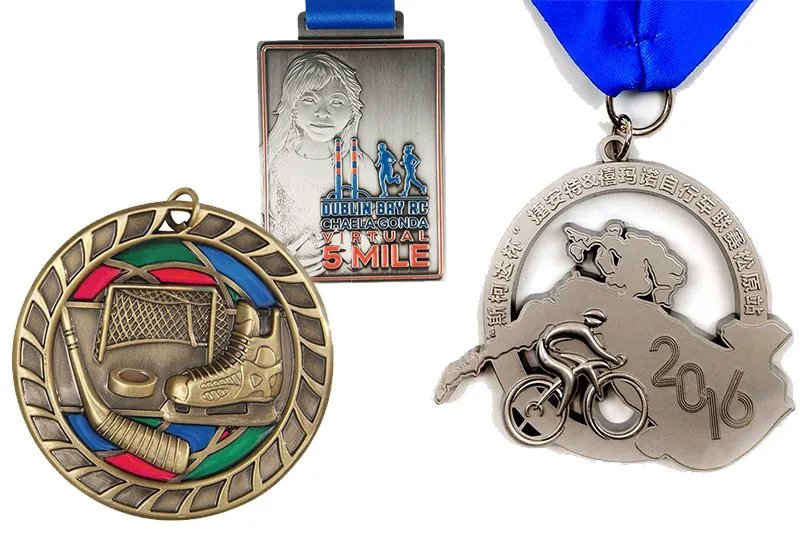
Sports Medals
Custom sports medals for tournaments, leagues, and athletic events of all levels.
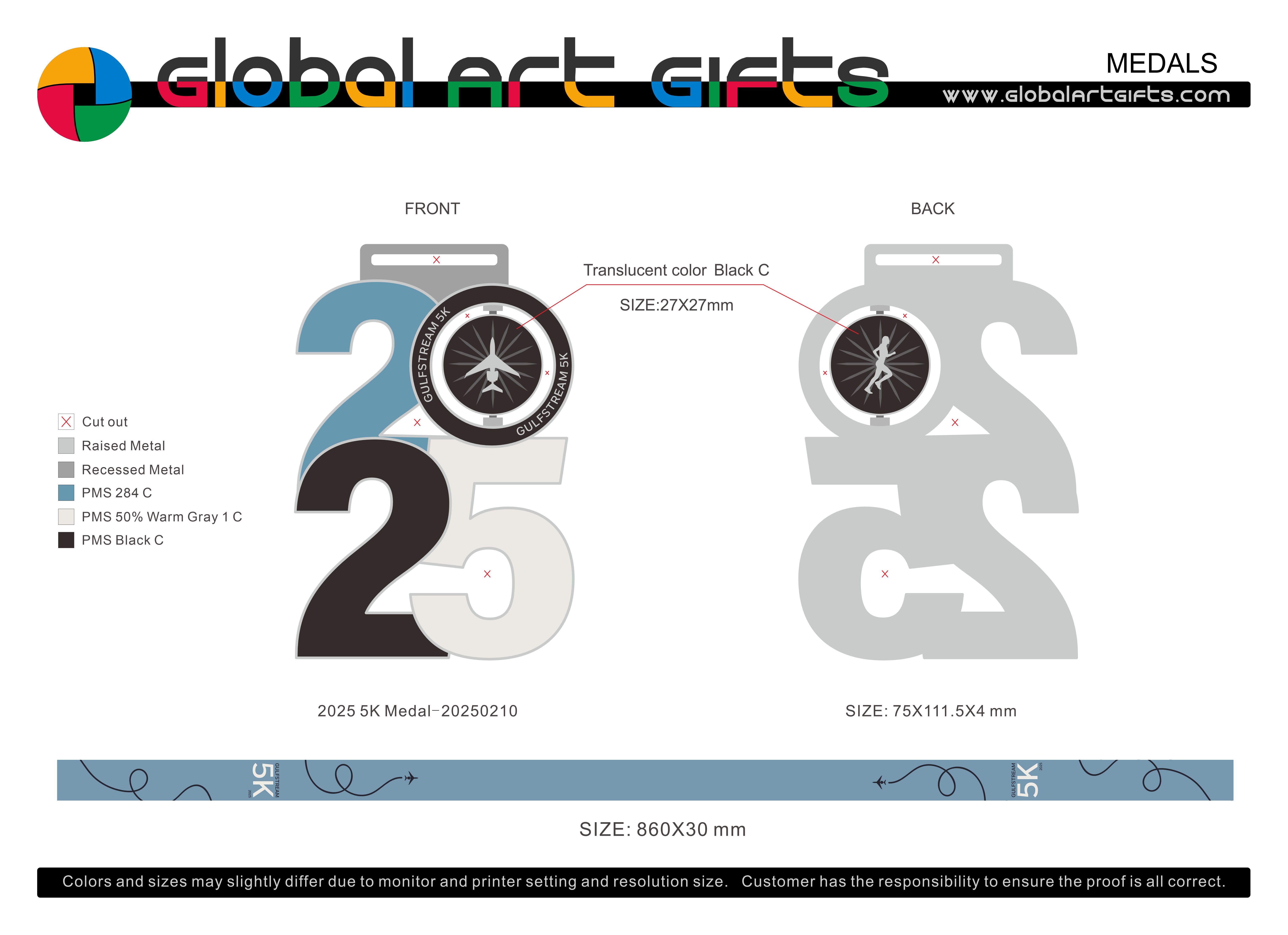
Race Medals
Custom race medals for marathons, 5K, 10K, triathlons, and running events.
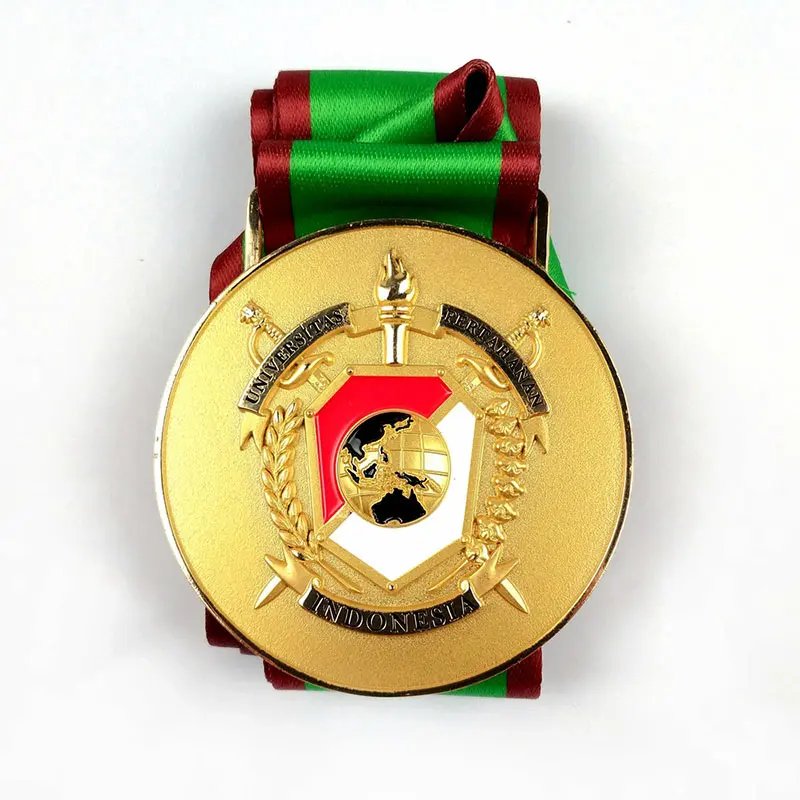
Enamel Medals
Soft enamel and hard enamel medals with vibrant colors and premium finish.

Kids Medals
Fun, colorful custom medals designed specifically for children's events.
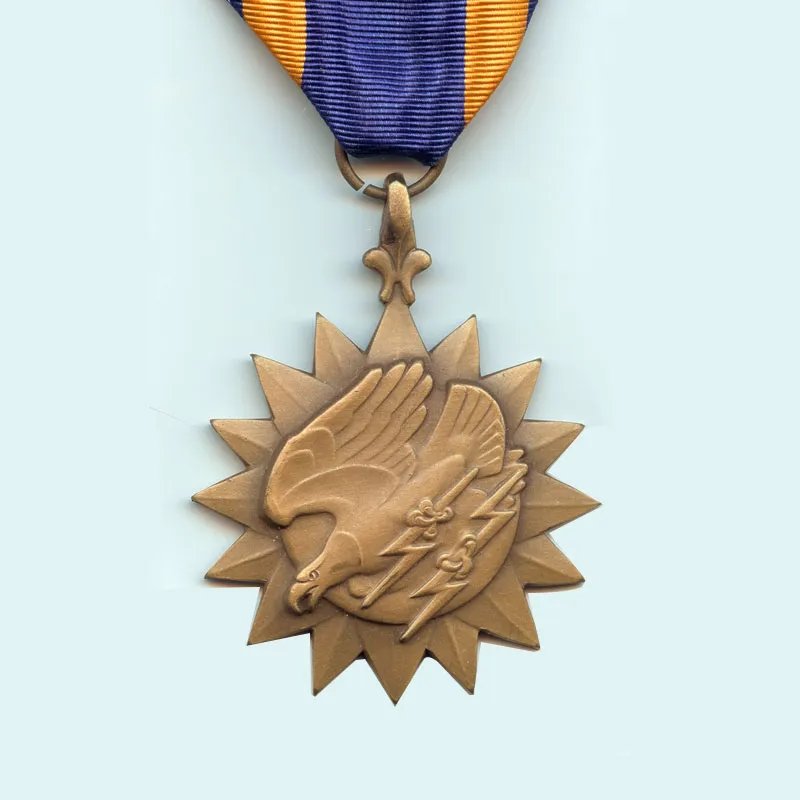
Military Medals
Custom military medals, challenge coins, and commemorative awards.
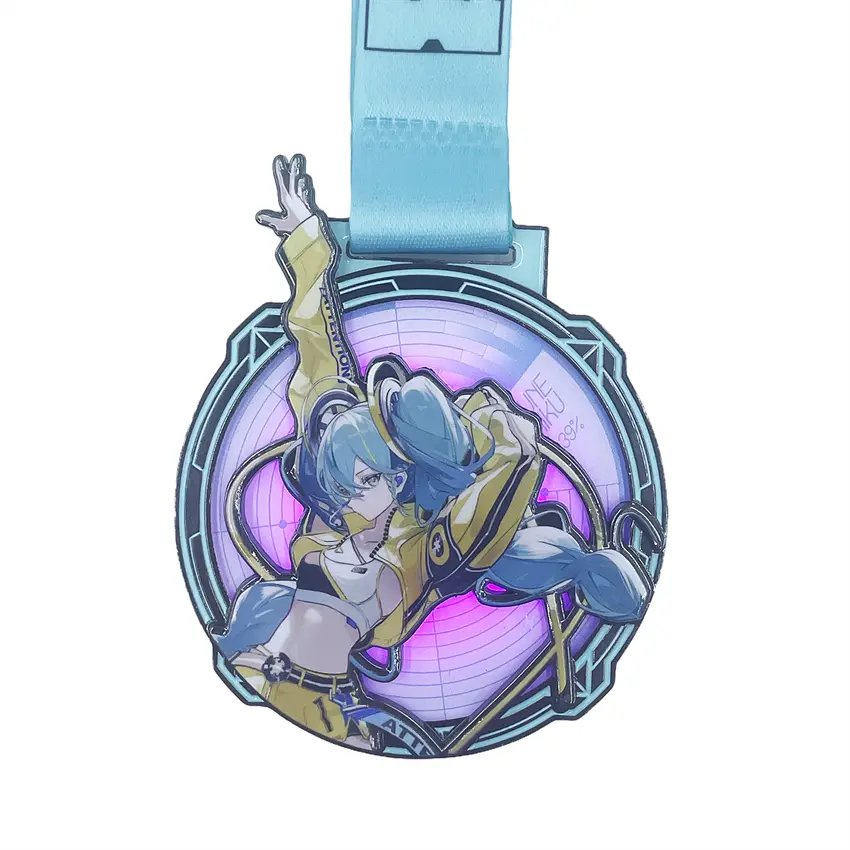
LED Medals
Light-up LED medals with electronic illumination for unforgettable events.
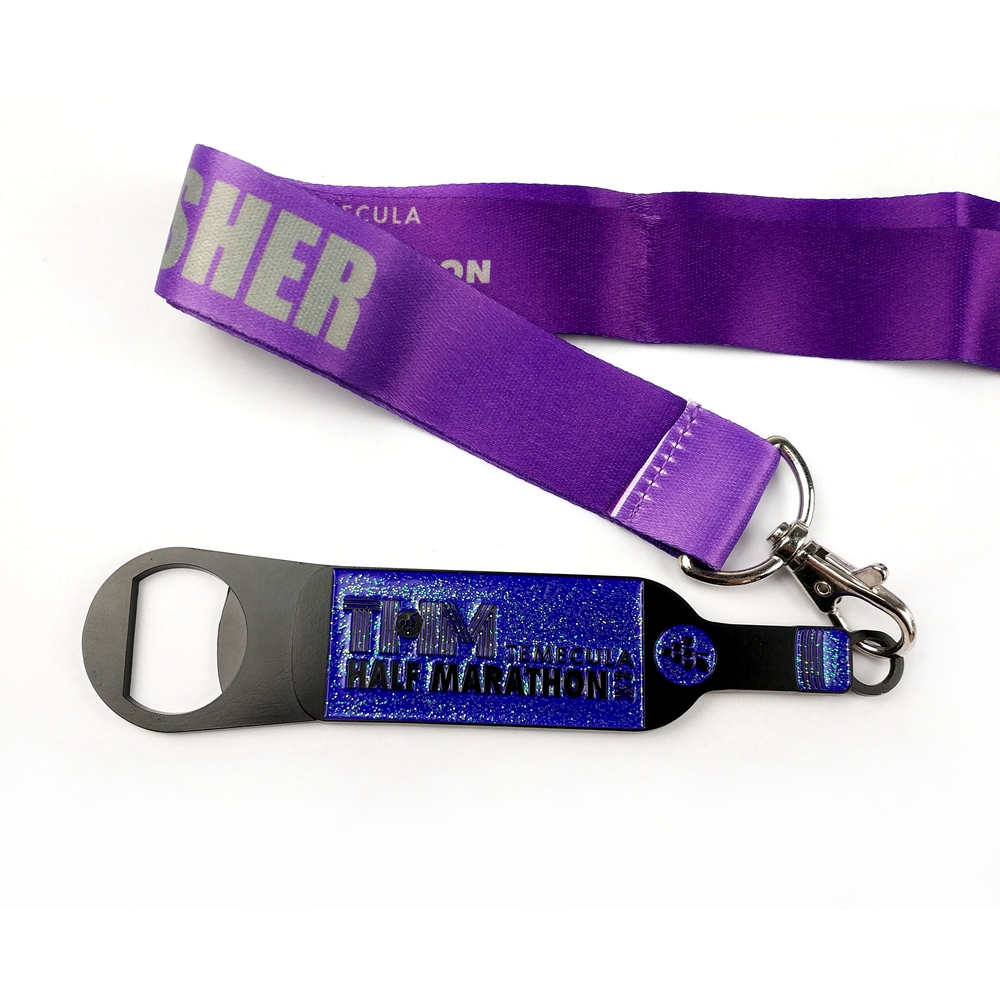
Bottle Opener Medals
Dual-function medals with built-in bottle openers — practical and memorable.
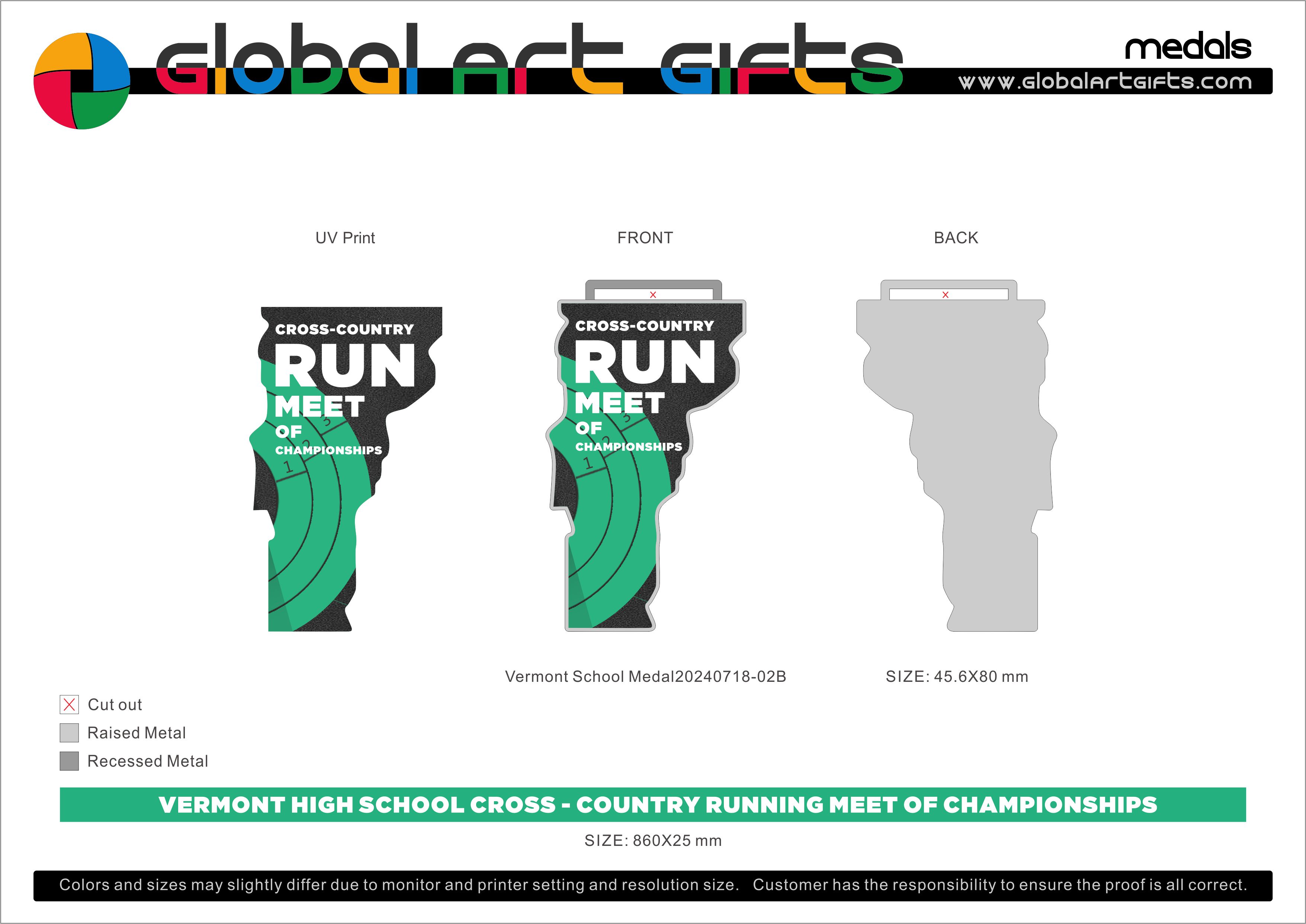
Graduation Medals
Custom graduation medals and academic achievement awards for schools.
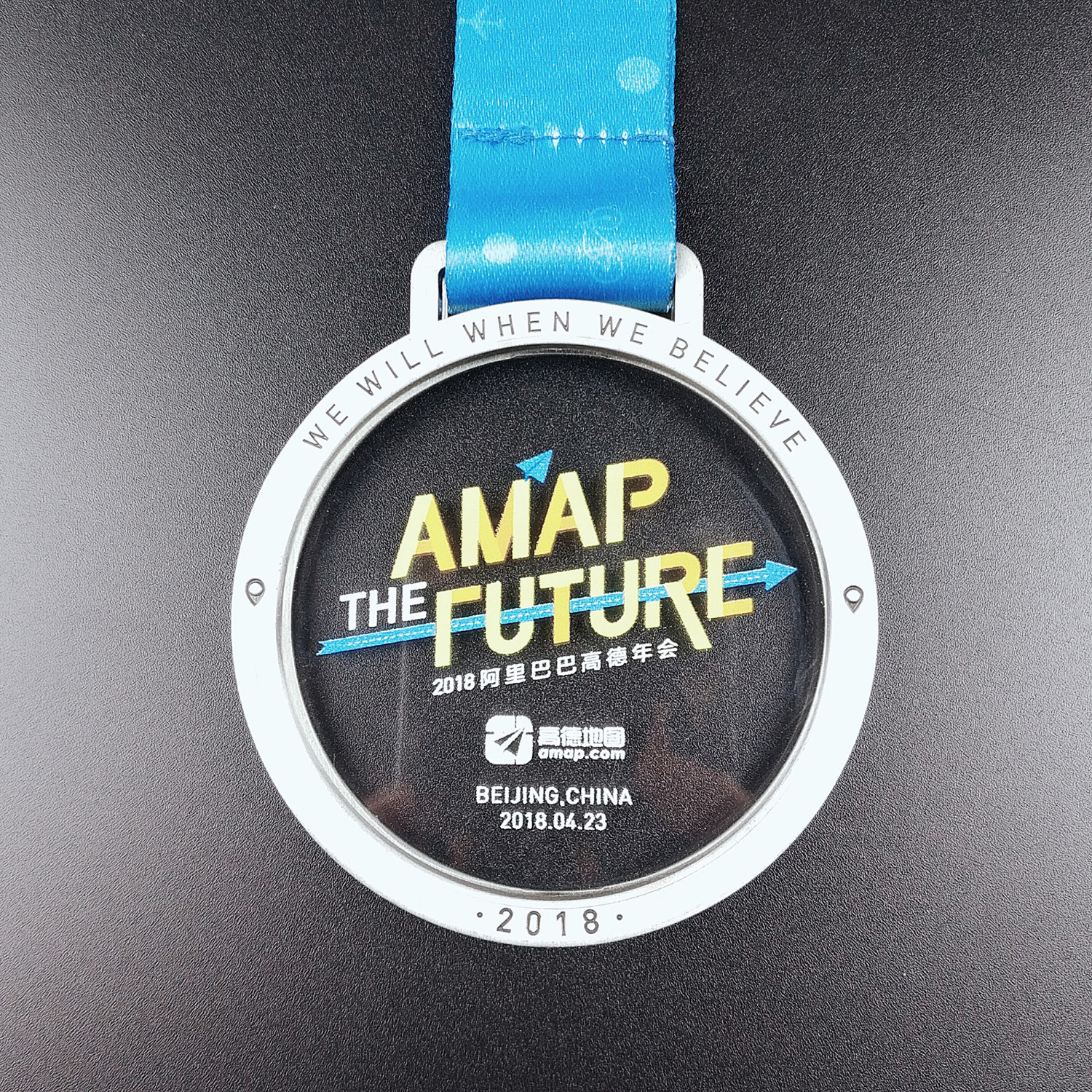
Acrylic Medals
Modern acrylic medals and awards with crystal-clear transparency.
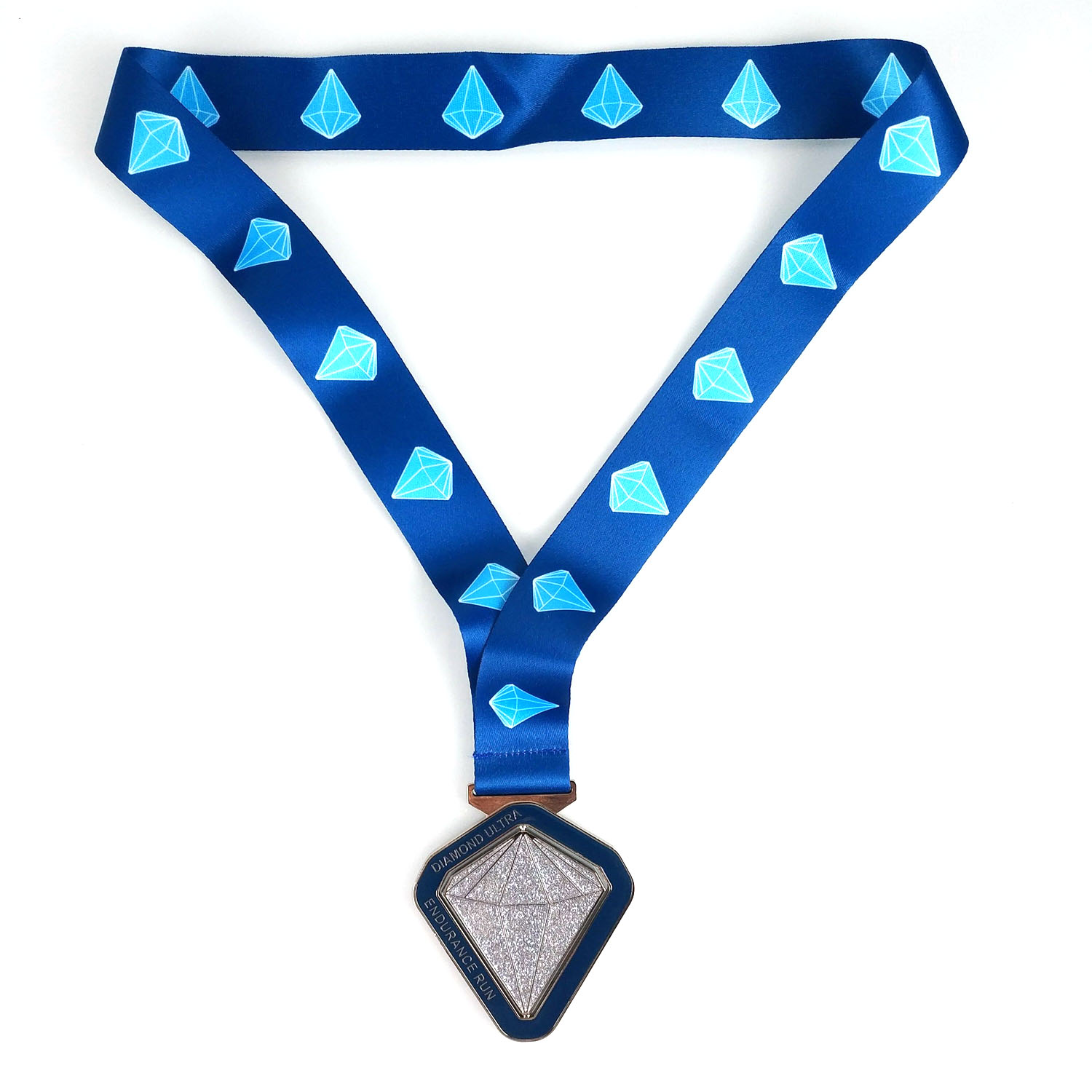
Spinning Medals
Interactive spinning medals with rotating center elements.
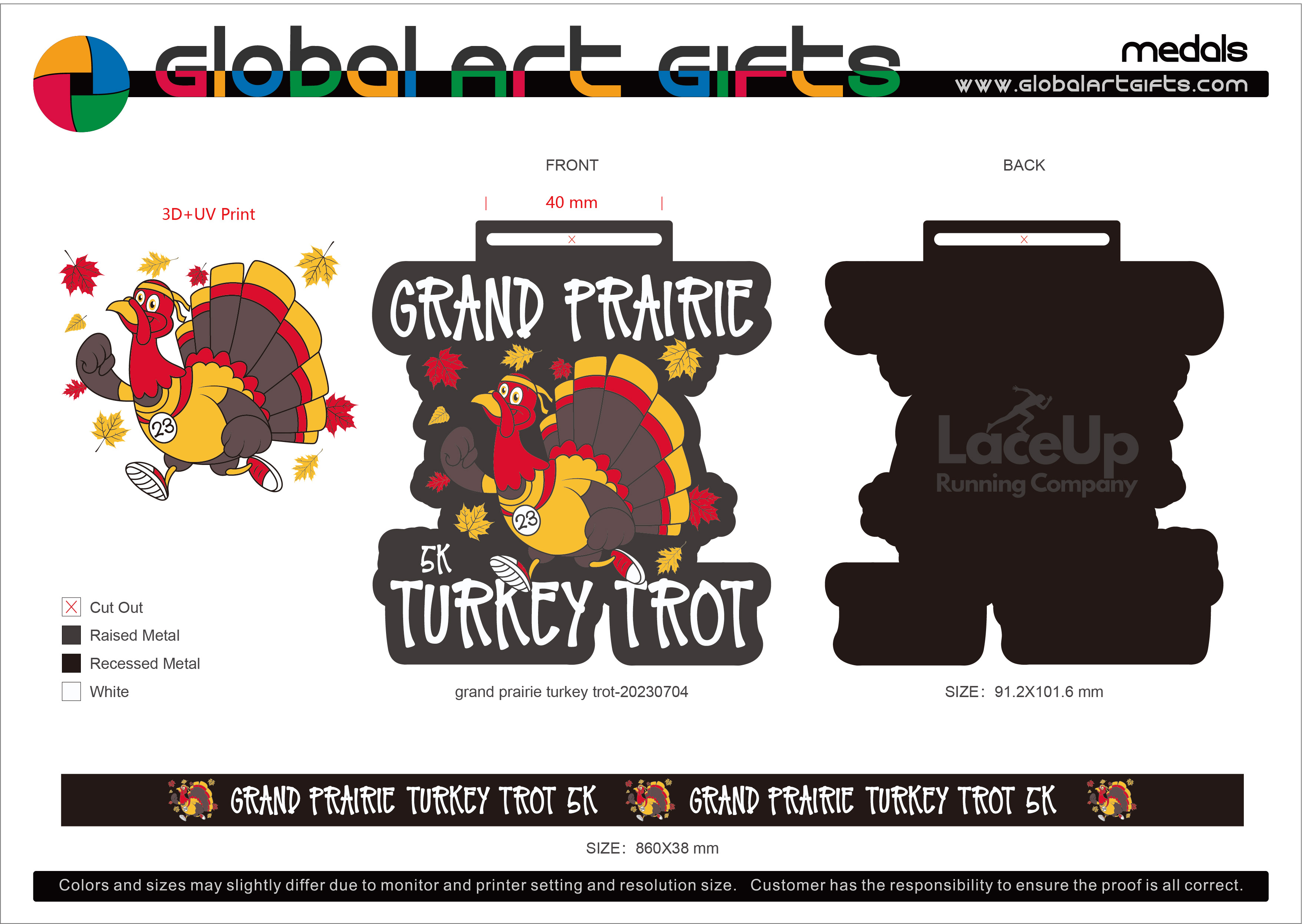
Event Medals
Custom medals for corporate events, festivals, and special occasions.
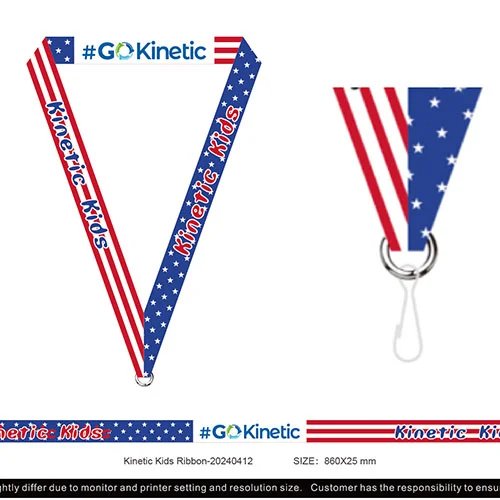
Medal Ribbons
Custom printed medal ribbons, lanyards, and neck bands.
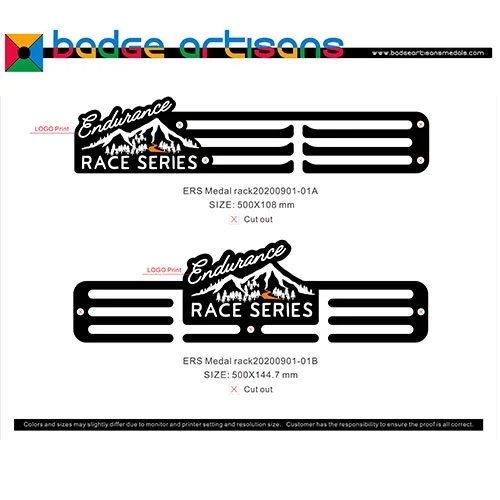
Medal Display Hangers
Custom medal display racks and hangers for showcasing achievements.
Medal Packaging
Custom medal boxes, velvet cases, and presentation packaging.