The finish is the first thing anyone sees on a medal, and it’s the one decision most buyers get wrong on the first order. Gold plating and antique finishes don’t just look different — they wear differently, cost differently, and photograph differently. So before you pick a color off a chart, it’s worth understanding what actually happens on the plating line. We’ve run it for fifteen years in our Huizhou factory, and this guide walks through every common medal materials and finishes option with real numbers.
What we’ll cover: the mirror finishes and how they read at a distance, matte and antique options (including what electrophoresis does cheaper than plating), the real plating sequence with timings, the cost ranking across plating, painting, and electrophoresis, and how to keep plated medals from tarnishing after they ship.
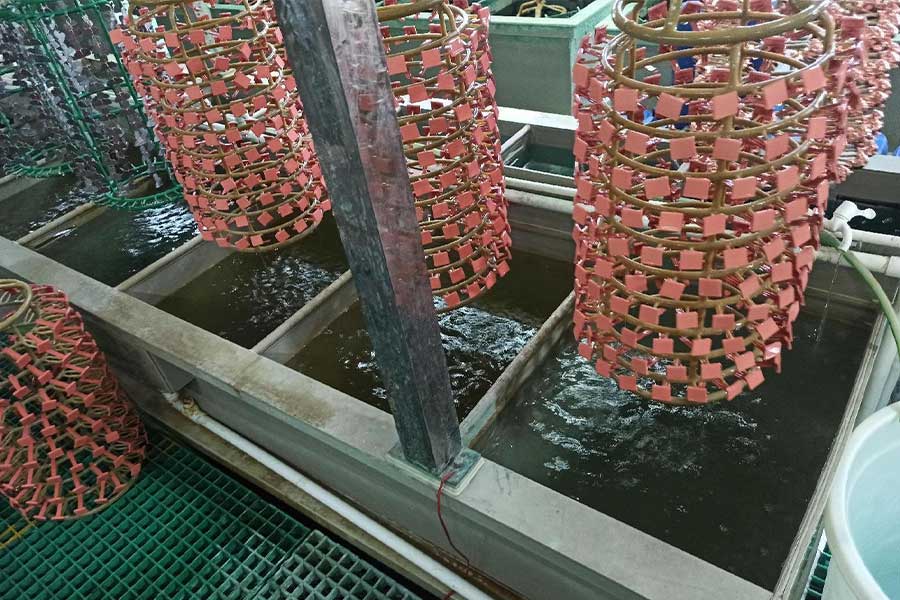
What Actually Happens on the Plating Line
Plating isn’t a dip in a tank of gold. It’s a sequence of chemical baths, and each one does a specific job. Skip one and you get a finish that bubbles or tarnishes a month later.
- Degreasing strips the release agent and polish compound off the die-cast blank.
- Ultrasonic cleaning removes anything a solvent won’t.
- Alkaline copper lays the base layer — about 500 seconds on our line — and the color eventually bonds to it.
- Acid copper runs 20 to 60 minutes for thickness and mirror smoothness; this bath is where the shine comes from.
- Final plating color adds the visible layer — gold, nickel, rose gold, whatever you picked.
- Tunnel oven at 100°C for about 40 minutes sets everything.
- Oil seal applies a clear coat that stops oxidation.
So a plated medal spends the better part of an hour and a half in chemicals before it ever sees a paintbrush. The 88-ton die-casting press that made the blank did its job in seconds. The plating line is where the wait lives — and why your finish choice moves timeline and price.
If you want the full journey from zinc shot to shipping box, our medal manufacturing process guide walks all twelve steps.
[Image: process-07-plating.jpg — Metal medals hanging on an electroplating rack with a bright gold finish in the factory line]
Mirror Finishes: Gold, Silver, Nickel and Beyond
Mirror finishes are what people picture when they say “medal” — high shine, clean light bounce, and they photograph well under any podium light.
- Imitation gold. Not real gold — a plated layer matched to gold tones over the copper base. Warm, formal, timeless. This is the workhorse of award ceremonies.
- Nickel (the silver look). Genuinely tough and one of the cheaper options, which makes it the volume pick for road races and tournaments.
- Rose gold. A softer, warmer tone that reads modern and fashion-forward. Popular for wellness events, women’s races, and graduation medals.
- Chrome. A bluish, high-reflection finish that looks almost liquid — striking for tech or futuristic branding.
- Black nickel. Dark, gunmetal-style finish. It’s the current favorite for CrossFit, OCR, and night-race medals because it looks sharp and photographs well against bright enamel.
| Finish | Visual | Wear resistance | Relative cost | Best scenario |
|---|---|---|---|---|
| Imitation gold | Warm, bright, formal | Good with oil seal | Moderate | Award ceremonies, championships |
| Nickel (silver) | Cool, crisp, bright | Excellent | Low | High-volume races, tournaments |
| Rose gold | Soft, modern | Good | Moderate | Wellness events, women’s races, graduation |
| Chrome | Mirror, bluish-white | Good | Moderate | Tech / futuristic branding |
| Black nickel | Dark, gunmetal | Good | Moderate | CrossFit, OCR, night runs |
Wear resistance here is mostly about plating thickness and that oil seal, not the metal’s reputation. We set thickness by intended use — a medal thrown in a gym bag gets more copper and a heavier clear coat than one that lives on a desk.
Matte and Satin Finishes
Matte finishes knock the shine off so the metal stops competing with the enamel. If your design is heavy on color, matte almost always reads better than mirror.
The same metals come in softer versions: matte gold and pearl gold, matte nickel, matte red copper, matte rose gold. The process is the same line — we just shorten the acid copper gloss step or brush the final layer. The finish lands soft and refined instead of loud, which suits kids’ medals, military-style awards, and any design where the color should lead. It also hides fingerprints, which matters when a medal gets handled all day at a conference.
Antique Finishes: The Old-World Look
Antique finishes work the opposite way. Instead of brightening everything, they darken the recesses and leave the high points bright, so a design pops like a worn coin. If you want depth without 3D relief, antique does a lot of the work.
Common antique tones are antique bronze, antique tin, antique red copper, and matte black. We get them two ways — electrophoresis and barrel plating. Electrophoresis is cheaper than electroplating because it’s a single dip that follows every contour, so it reaches the hidden corners a plating rack can’t. Barrel plating tumbles batches of medals in a drum, which is efficient for volume.
Antique finish medals are a staple for military medals, challenge coins, and vintage-themed race medals — any order where the finish should feel like it has history.
[Image: process-09-color-filling.jpg — Antique-finish medal with enamel color filling recessed areas in the factory]
Two-Tone Plating and Special Effects
One finish per medal is the default. Two is where the design gets interesting.
Two-tone plating masks the part so one area plates in one finish and another plates in a second. The most common combination is imitation gold plus nickel — the gold draws the eye to the center, the nickel frames it. Gold plus black nickel is climbing fast for modern sport brands.
There’s also vacuum rainbow plating, an iridescent seven-color effect that shifts as the medal tilts — playful, and it lands best on kids’ medals, music-festival awards, and pride events.
One ordering note: plating happens before enamel medals get their color fill, so the two choices work together — a two-tone plated base behind translucent enamel is one of the nicer looks we ship.
Cost Ranking: Plating vs Painting vs Electrophoresis
Now the part buyers actually ask about — cost. The honest ranking from our line: electroplating costs the most, spray painting sits in the middle, and electrophoresis is the cheapest. Most people assume plating is the affordable one because it’s the default. It isn’t.
| Method | Cost | Look | Reaches hidden areas | Best for |
|---|---|---|---|---|
| Electroplating | Highest | True metallic mirror / matte | No — line of sight | Mirror, antique, two-tone |
| Spray painting | Middle | Flat color, no metal shine | Good | Special colors (white, blue) |
| Electrophoresis | Lowest | Metallic, less bright | Excellent | Antique tones, complex shapes |
Spray painting costs more than electrophoresis because it needs a clean spray environment and multiple coats of epoxy resin paint. Electrophoresis is one dip that coats everything evenly — that’s why it’s cheap and why it finds every crevice. If your design is all color with a simple edge, painting or electrophoresis keeps the budget sane and the effect right.
Keeping Plated Medals From Tarnishing
Every finish oxidizes eventually. The difference is how fast, and what you do to slow it down.
The oil seal applied after the tunnel oven is the first line of defense — a thin clear coat that keeps air off the plated surface. It’s standard on every order and the reason a plated medal can sit in a box for years and still shine.
Storage matters after the medal leaves us. Keep them dry and out of direct sunlight. Humidity is the enemy — a damp closet will tarnish nickel and dull gold faster than a year of normal handling. Avoid rubber bands and acid cardboard pressing against the face.
One defect buyers should know: plating blister. It’s almost always a cleaning problem — the blank wasn’t washed well enough, or the oil coat blistered in the bake. That’s a process failure, and it’s exactly what our 3-stage QC is watching for. We check every part on the line, at finish, and at final pack, and we still move 30,000+ pieces a day to 50+ countries without letting that slide.
[Image: factory-workshop-04.jpg — Plated medals racked and inspected by QC on the finishing floor]
FAQ: Medal Plating & Finish Decisions
Is gold plating on medals real gold? No. It’s a plated layer of metal colored and finished to match gold tones, applied electrochemically over a copper base — you get the look without the gold price. If your order genuinely needs 24k gold, tell us up front; it’s a different, more expensive process.
What’s the most durable finish? Nickel and chrome are the toughest for daily handling; imitation gold needs the oil seal to stay bright. Durability also depends on plating thickness and storage — for medals that get handled constantly, nickel wears best.
How long does plating take on a medal? The line runs roughly 500 seconds of alkaline copper, 20–60 minutes of acid copper for gloss, then the color layer and a 100°C/40-minute tunnel-oven bake, before the oil seal. That’s why a full order runs 7–15 days in production.
What’s the difference between antique and matte finishes? Antique darkens the recesses to create contrast; matte just removes the shine from the surface. Antique reads like an aged coin, matte reads like a soft-finished modern metal.
Can I combine two finishes on one medal? Yes. Two-tone plating, most commonly imitation gold plus nickel, is a standard option. The part is masked so each area plates separately. Add enamel afterward and you get a three-material look on one medal.
Will my plated medals tarnish in storage? Plated medals oxidize if they sit in humidity for long periods. Every MedalOrigin order gets an oil-seal coat and packaging that minimizes contact. Store them dry, out of direct sunlight, and they hold their finish for years.
If you’re weighing finish options for a specific design, send us the artwork — we’ll recommend the plating that fits your budget and your event, with a quote back within 24 hours from our contact page.
Recommended Reading
- Custom Die-Cast Medals Guide — how the blank that gets plated is actually made
- Zinc Alloy vs Brass Medals — the base metal matters before the finish
- How Custom Medals Are Made — the full 12-step process the plating line plugs into