Custom Enamel Medals — Soft Enamel & Hard Enamel, Pantone Color Matching
Enamel is what gives custom medals their color — and we do it six ways. Soft enamel for classic textured medals. Imitation hard enamel for ceramic-smooth premium awards. Glass, translucent, glitter, and glow-in-the-dark for effects that make your medal impossible to ignore. Every color is mixed fresh from 10 base pigments, matched to your exact Pantone specification. Hand-filled by skilled technicians — not machine-poured — because every recess has a different shape and every color needs different viscosity. Cured in precision ovens at 60–100°C across multiple bake cycles. Inspected under 10× magnification before it leaves our Huizhou factory.
Enamel Types — Compare All Six Options
Not all enamel is the same. The right choice depends on your medal's purpose, budget, and the look you want. Use this table to compare all six types side by side — or tell us your goal and we'll recommend the best fit.
| Type | Min Fill | Surface | Cost | Best For |
|---|---|---|---|---|
| Soft Enamel | 0.3mm | Slightly concave, textured — visible metal lines between colors, classic medal feel | Standard (base price) | Sports medals, race medals, event medals, school awards, bulk orders — 90% of our production |
| Imitation Hard Enamel | 0.5mm | Ceramic-smooth, flush with metal surface — polished flat after curing, no visible metal lines | +15–25% above soft enamel | Military challenge coins, executive awards, luxury corporate gifts, premium recognition programs |
| Glass / Translucent Enamel | 0.5mm | Semi-transparent with jewelry-like depth — metallic base shows through tinted enamel layer | +20–30% above soft enamel | Premium commemorative pieces, layered design medals, awards where depth and sophistication matter |
| Glitter / Sparkle Enamel | 0.3mm | Sparkling textured surface —七彩 or single-color shimmer powder applied during semi-cure stage | +10–15% above soft enamel | Dance competitions, cheerleading medals, celebration events, kids' awards, any medal that needs extra excitement |
| Glow-in-the-Dark Enamel | 0.5mm | Slightly textured, pale green glow when charged by light — luminous powder embedded after full cure | +15–20% above soft enamel | Night-run medals, Halloween events, glow-party awards, evening ceremonies, fun and novelty medals |
| Epoxy Dome (AP Glue) | 0.5mm+ | High-gloss domed surface with 3D lens effect — clear resin poured over printed or enameled base | +10–15% above soft enamel | Photo-insert medals, printed design medals under protective dome, medals needing a glossy waterproof top layer |
Enamel Medal Quick Specs — Technical Reference
| Specification | Detail |
|---|---|
| Enamel Types | Soft enamel, imitation hard enamel, glass/translucent, glitter/sparkle, glow-in-the-dark, epoxy dome AP glue — 6 types total |
| Soft Fill Width (Minimum) | 0.3mm — the narrowest recess that can reliably hold soft enamel without bridging or bleeding |
| Hard Fill Width (Minimum) | 0.5mm — wider minimum required for paste-consistency hard enamel to fill completely and polish flat |
| Base Colors | 10 base pigments — mixed in precise ratios to match your Pantone specification, archived for reorder consistency |
| Color Count Pricing | 1–3 colors: standard pricing. 4–6 colors: small per-color surcharge (each color = additional bake cycle). 7+ colors: priced individually per color |
| Semi-Cure (Layering) | 60–70°C for 60–90 minutes — partially sets the enamel so additional colors can be layered without mixing, allows glitter and effect powders to adhere |
| Full Cure (Permanent Bond) | 100°C for 60 minutes — chemically bonds enamel to the zinc alloy substrate, locks all colors in place, the final irreversible step |
| QC Inspection | 10× magnification — every medal inspected for color accuracy vs Pantone reference, fill completeness at edges, surface impurities, pinholes caused by moisture or air bubbles |
| Durability | Chemically bonded to metal when fully cured — will not peel or delaminate under normal handling. Indoor display: decades. Outdoor: UV can slowly fade pigments over many years |
| MOQ | 100 pieces per design — same MOQ applies whether 1 color or 6 colors, one enamel type or mixed types on the same medal |
The Four Factors That Determine Enamel Quality
After 15 years of enamel filling across millions of medals, these four factors consistently separate flawless, vibrant enamel from mediocre results. Every one happens inside our factory — no outsourcing.
Color Matching — 10 Base Colors, Infinite Pantone Combinations
We stock 10 base enamel pigments: white, black, red, yellow, blue, green, orange, purple, brown, and transparent clear. From these ten, we mix every Pantone color you specify. Each batch is mixed fresh — enamel has a limited pot life once mixed, so we prepare exactly what's needed for your order, never premixed stock that's been sitting on a shelf. Viscosity is controlled with thinner ratios specific to each color and fill width: thinner for narrow 0.3mm recesses, thicker for broad areas. For color-critical projects, request a swatch sample — a metal plate with your exact colors applied, shipped to you for approval under your own lighting conditions. Nominal fee, credited toward your order. Once approved, your color formula is archived. Reorder in six months or six years — the colors will match.
Precision Filling — Hand-Filled by Skilled Technicians, Not Machines
Enamel filling is not automated. It cannot be. Every recess on every medal has a unique shape — a swooping banner, a serif letter with thin and thick strokes, a complex logo with irregular boundaries, a star shape with sharp points. A machine cannot see what a technician sees: the exact boundary where fill must stop, the precise needle angle to reach a deep corner without overflowing, the right viscosity for this particular recess depth. Our technicians fill each recess individually using fine-tipped syringes and needles. Soft enamel is filled slightly below the metal line so the raised metal edges remain visible and crisp. Hard enamel is overfilled above the metal line so it can be polished flush. Each technician specializes in one stage — filling, leveling, or detail correction — developing deep muscle memory for consistent results across thousands of medals.
Curing Process — Semi-Cure for Layering, Full Cure for Permanence
Enamel curing is a two-stage thermal process, not a single bake. Stage one: semi-cure at 60–70°C for 60–90 minutes. This partially sets the enamel to a gel-like consistency — firm enough that the next color can be applied on top without the two colors bleeding into each other, but not fully hardened. This is what allows multi-color medals: each color gets its own semi-cure cycle before the next color is applied. A 4-color medal goes through four semi-cure cycles. Stage two: full cure at 100°C for 60 minutes. This is the final, irreversible bond — the enamel polymerizes and chemically fuses to the zinc alloy substrate. After full cure, the enamel cannot be removed without grinding or chemical stripping. Multi-color medals with special effects (glitter applied during semi-cure, glow powder after full cure) require additional process stages between the standard cycles. Every oven batch is logged with time and temperature — traceable to your specific order.
QC Under 10× Magnification — Inspect Every Medal, Strip and Redo Failures
Our QC station runs at 10× magnification. At this level, every defect is visible: a single pinhole from a microscopic air bubble trapped during filling, a hairline gap where enamel didn't reach the metal edge, a speck of dust embedded in the surface during curing, a color that shifted slightly from the Pantone reference due to batch variation. Each inspector checks four things on every medal: color accuracy against the approved Pantone reference swatch, fill completeness at every edge and corner, surface purity (no dust, no bubbles, no foreign particles), and pinhole detection (moisture or air-line contamination during filling can create tiny surface voids invisible to the naked eye). Medals that fail any of these four checks are not patched or touched up — they are stripped back to bare metal using chemical solvent and refilled from scratch. This is expensive. It is also why our enamel defect rate at final QC is under 0.5%.
Enamel Effect Options — Six Ways to Make Your Medal Stand Out
Beyond the basic soft and hard enamel, these six effects add texture, light interaction, and dimension — each applied as a separate process stage during or after enamel filling.
Glitter / Sparkle Enamel
Sparkle powder — available in single-color metallic shimmer or rainbow — is applied during the semi-cure stage at 60–70°C when the enamel surface is tacky enough to grip the particles. The medal is then returned to the oven for full cure, locking the glitter into the enamel surface. Popular for dance, cheer, and celebration event medals. Each glitter color counts as one enamel color plus a process surcharge.
Glow-in-the-Dark Enamel
Luminous phosphorescent powder is mixed into clear enamel medium or applied as a surface layer after the full cure cycle. Charges under any light source — sunlight, indoor lighting, or camera flash — and emits a pale green glow visible for hours in darkness. Popular for night runs, Halloween events, and evening award ceremonies. Works best on larger fill areas where the glow surface is maximized.
Translucent / Glass Enamel
Transparent tinted enamel applied over a polished metallic base — the metal's plating finish (gold, silver, copper) shows through the color layer, creating jewelry-like depth. The effect is subtle and sophisticated: a deep blue wash over polished silver, a ruby tint over gold. Minimum fill width of 0.5mm required. Each translucent color counts as one enamel color plus a process surcharge for the base polishing step.
Epoxy Dome (AP Glue)
A crystal-clear UV-resistant resin poured over the medal surface after enamel filling and curing is complete. Forms a high-gloss domed lens that magnifies the design beneath and provides a waterproof protective layer. Especially effective over printed inserts or photo medals. Adds 1–2mm of thickness. Applied as a final post-cure step — does not go through the enamel oven.
Two-Tone Plating + Enamel Combo
Combine two different plating finishes on the same medal — gold body with silver highlights, or antique bronze with polished nickel accents — then fill with enamel in complementary colors. The contrast between two metal tones plus the enamel color creates three distinct visual layers. Masking during the plating stage keeps each finish in its designated area. Small per-unit surcharge for the second plating pass.
Color Swatch Sample Service
Before committing to bulk production, receive a metal sample plate with your exact Pantone-matched enamel colors applied. Hold it under your own lighting. Check it against your brand guide. Approve it — or request adjustments. The swatch is produced using the same process as your order: same base pigments, same mixing ratios, same cure cycle. Nominal fee credited toward your order. Once approved, your formula is permanently archived.
Factory-Direct Enamel — What That Means for Color Quality
Hand-Filled, Not Machine-Poured
Every enamel recess on every medal is filled by a skilled technician using a fine-tipped syringe. Not an automated dispenser. Not a machine. A human who sees the exact boundary of each recess, adjusts the needle angle for this specific corner, and controls the fill level — below the metal line for soft enamel, above it for hard enamel. This is slower than automation. It is also the reason our enamel edges are crisp, our colors don't bleed, and our fill is complete to every corner. Each technician fills one color across the entire batch before the next technician fills the next color — a production line organized around process consistency, not speed.
Fresh-Mixed Per Batch, Not Premixed From Stock
Enamel has a limited pot life once pigments are combined with medium and thinner. Premixed enamel sitting on a shelf for days or weeks changes viscosity, separates, and shifts color. We don't do that. Every color for every order is mixed fresh — the exact quantity needed for your batch, prepared immediately before filling begins. Your Pantone 287C blue is mixed from blue, white, and black base pigments at the correct ratio, thinned to the viscosity required by your design's fill widths, and used the same day. Next week's order gets a fresh mix. This is more labor. It also guarantees that the color on your medal matches the approved specification — not a close approximation from a jar that's been sitting open since last Tuesday.
Stripped and Redone — Our QC Promise
When a medal fails our 10× magnification QC — a pinhole, a color shift, an incomplete fill, a surface impurity — we do not patch it. We do not touch it up. We strip the entire medal back to bare zinc alloy using chemical solvent and refill it from the beginning. This is expensive in both material and labor. It is also the only honest way to handle a defect — because a touched-up spot will always look different under certain light, and your event's photographer will find that angle. Our defect rate at final QC runs under 0.5% — not because we're lucky, but because the stripping policy creates a powerful incentive to get it right the first time. Every technician knows: if this medal fails, you fill it again.
Enamel Medal FAQ — Answers From the Factory Floor
Soft enamel vs hard enamel — which should I choose for my medals?
Soft enamel is the standard for 90% of medal orders. It costs less, produces crisp visible metal lines between colors, and has a textured feel that people associate with traditional awards. Choose soft enamel for sports medals, race medals, school awards, event medals — any order where you need reliable quality at a reasonable per-unit cost. Hard enamel costs 15 to 25 percent more because of the additional polishing step required to make the surface flush and smooth. Choose hard enamel when the medal is a premium recognition piece — military challenge coins, executive awards, luxury corporate gifts, or any award where the recipient will hold it and immediately feel the ceramic-smooth surface. Hard enamel also has slightly better impact resistance because there are no raised metal edges to catch on things. If you are unsure, we recommend soft enamel. It is the industry workhorse for good reason.
How many enamel colors can I have on one medal?
One to three colors is standard pricing and covers most designs — a primary logo color, a background color, and black for text outlines or details. Four to six colors incurs a small per-color surcharge because each additional color requires its own mixing batch, its own filling pass by a technician, and its own semi-cure oven cycle. Seven or more colors is priced individually per color and is typically reserved for complex full-color logo reproductions or highly detailed designs. Black counts as one color. White counts as one color. The metal color — gold, silver, copper, and all plating variants — comes from the plating process, not from enamel, and does not count toward your color total. Glitter, glow-in-the-dark, and translucent effects each count as one color plus a separate process surcharge.
Will enamel colors fade over time?
When fully cured at 100 degrees Celsius for 60 minutes, enamel chemically bonds to the zinc alloy substrate and will not peel, chip, or fade under normal indoor display conditions. A medal hanging on a wall or stored in a drawer will look the same decades later. Prolonged exposure to direct sunlight can slowly fade enamel pigments over many years — this is true of all pigmented coatings — because UV radiation breaks down color molecules at a microscopic level. For medals intended for outdoor display, hard enamel offers slightly better UV resistance because its flush surface has less exposed pigment area per unit of surface. Physical impact — dropping the medal on concrete, for instance — can chip any enamel type. This is mechanical damage, not a material failure.
Can you match my brand's specific Pantone colors?
Yes — Pantone color matching is standard on every enamel medal order we produce. We stock 10 base enamel pigments — white, black, red, yellow, blue, green, orange, purple, brown, and transparent clear — and mix from these to match your specified Pantone colors. You provide the Pantone numbers. We mix to match. The color formulation is recorded in your order file and archived. When you reorder next year, we retrieve the same formula. Batch-to-batch color consistency is one of the main reasons clients reorder with us season after season. For color-critical projects — brand logos where the exact shade of blue matters legally or aesthetically — we offer a swatch sample service. A metal plate with your exact colors applied, shipped to you for physical approval under your own lighting. Nominal fee, credited toward your order.
What is the visual and tactile difference between soft enamel and hard enamel?
Soft enamel medals have a textured, slightly concave surface. Run your finger across a soft enamel medal and you will feel the raised metal lines between each color — the boundaries are physical, not just visual. The enamel sits slightly below the metal line, creating a recessed effect that catches light differently at different angles. This is the classic medal feel that most people recognize. Hard enamel medals are completely smooth and flush across the entire surface — no raised metal lines, no texture. The enamel and the metal are polished to the same level, creating a ceramic-like finish that feels like a single continuous surface. Under light, hard enamel has a uniform reflection across the entire medal. Visually, hard enamel looks more premium and refined. Tactilely, it feels more substantial. The difference is immediately obvious when you hold one of each.
Can I mix different enamel types on the same medal?
Yes — you can combine soft enamel in some areas with hard enamel in others, or add glitter to one recess while keeping the rest standard. Each enamel type requires its own process stage, so mixing types increases production complexity and cost. For example: a medal with soft enamel in the background, hard enamel in the central logo, and glitter in the outer ring would require three separate filling passes, multiple semi-cure cycles specific to each type, and careful masking between stages. The per-unit cost reflects the additional labor and oven time. We will quote each combination separately so you can see the cost breakdown. Most clients who mix types do it selectively — one special effect area surrounded by standard soft enamel — rather than mixing all six types on one medal.
What causes enamel defects and how do you prevent them?
Four things cause the majority of enamel defects. First, dust — airborne particles landing on wet enamel before it enters the oven create surface bumps that are permanent after curing. Our filling area is a clean-room environment with filtered air and no unrelated activity. Second, moisture in the compressed air lines — the syringes use pneumatic pressure assist, and any water vapor in the air line introduces microscopic bubbles that become pinholes after curing. Our air lines run through inline moisture traps and dessicant dryers checked daily. Third, incorrect thinner ratio — too much thinner and the enamel runs, too little and it will not flow into narrow recesses. Each color and fill width has a documented thinner ratio. Fourth, incomplete fill — the technician misses a corner or does not apply enough material. Our 10× magnification QC catches this and the medal is stripped and redone.
Is imitation hard enamel worth the extra cost compared to soft enamel?
For most events — sports tournaments, fun runs, school awards, participation medals — no, it is not worth the extra cost. Soft enamel is the industry standard for a reason: it looks great, holds up well, and costs less. Your recipients will be happy with soft enamel medals. Hard enamel is worth the extra 15 to 25 percent when the medal is a premium recognition piece where the tactile experience matters — military challenge coins that will be carried in a pocket and handled daily, executive awards displayed on a desk, luxury corporate gifts where the recipient's first physical impression determines perceived value. Hard enamel is also preferable when the design has large solid-color areas where the visible metal lines of soft enamel would interrupt the visual flow. If you are unsure, ask yourself: will the recipient hold this medal and judge its quality by touch? If yes, consider hard enamel. If the medal will be worn for an hour at a ceremony and then hung on a wall, soft enamel is the right choice.
Start Your Enamel Medal Project
Tell us about your design — the shape, the colors, the enamel type you are considering, and how many medals you need. We will recommend the best enamel and plating combination, create a free custom design with 3D renderings, and deliver a detailed line-item quote within 24 hours. No obligation. No upfront cost.
Prefer to research first? Compare our medal materials guide, explore our 12-step manufacturing process, or see our complete design guide.
Get Free Design & Quote NowExplore All Medal Categories
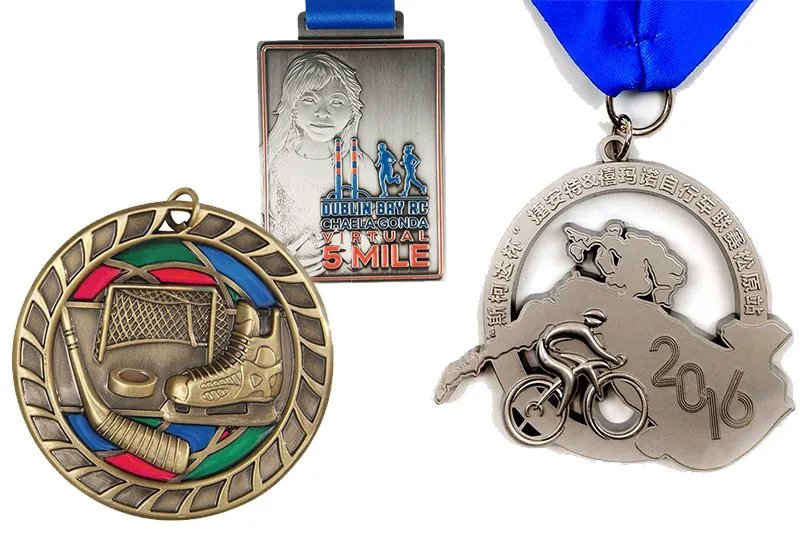
Sports Medals
Custom sports medals for tournaments, leagues, and athletic events of all levels.
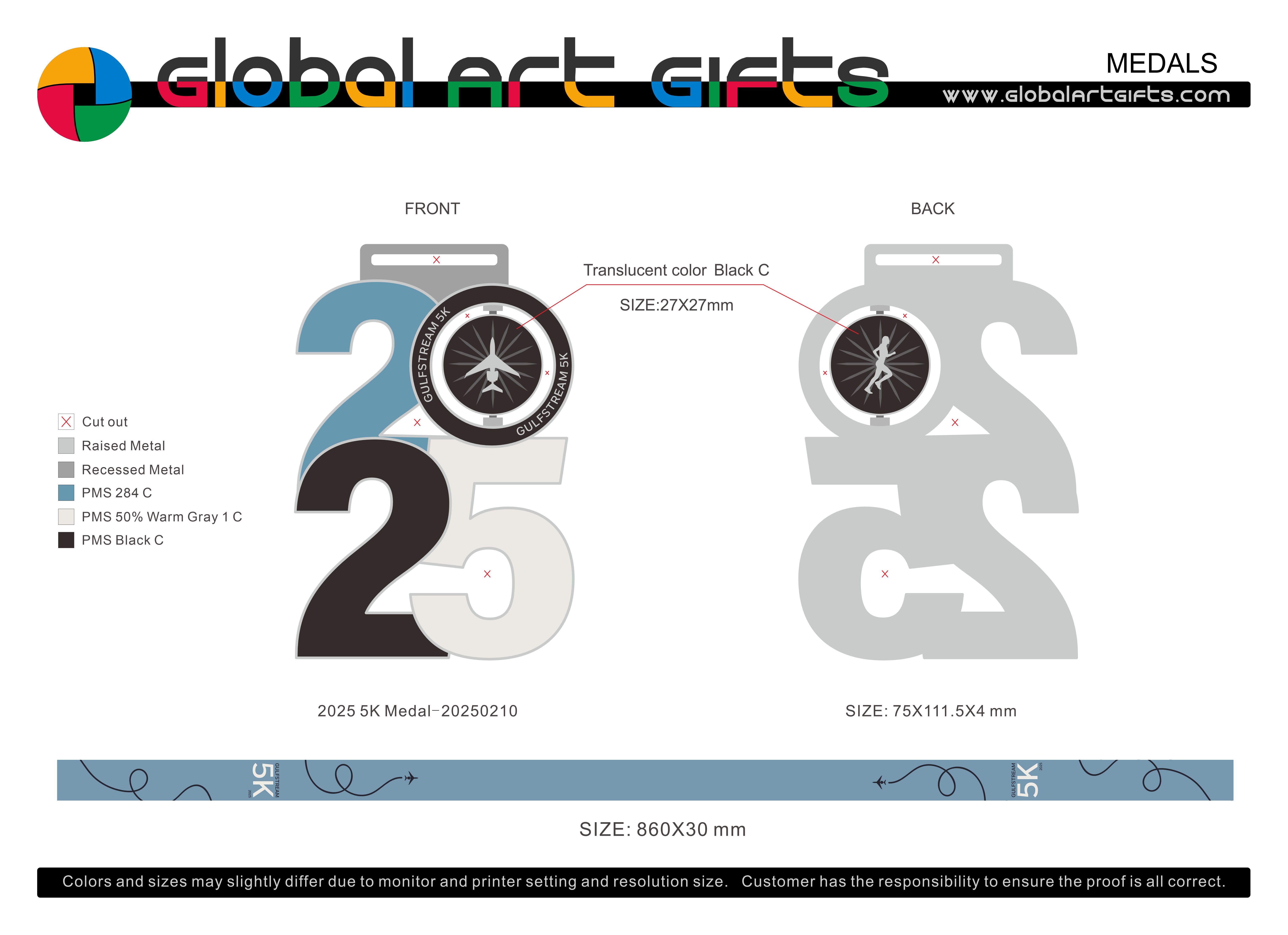
Race Medals
Custom race medals for marathons, 5K, 10K, triathlons, and running events.
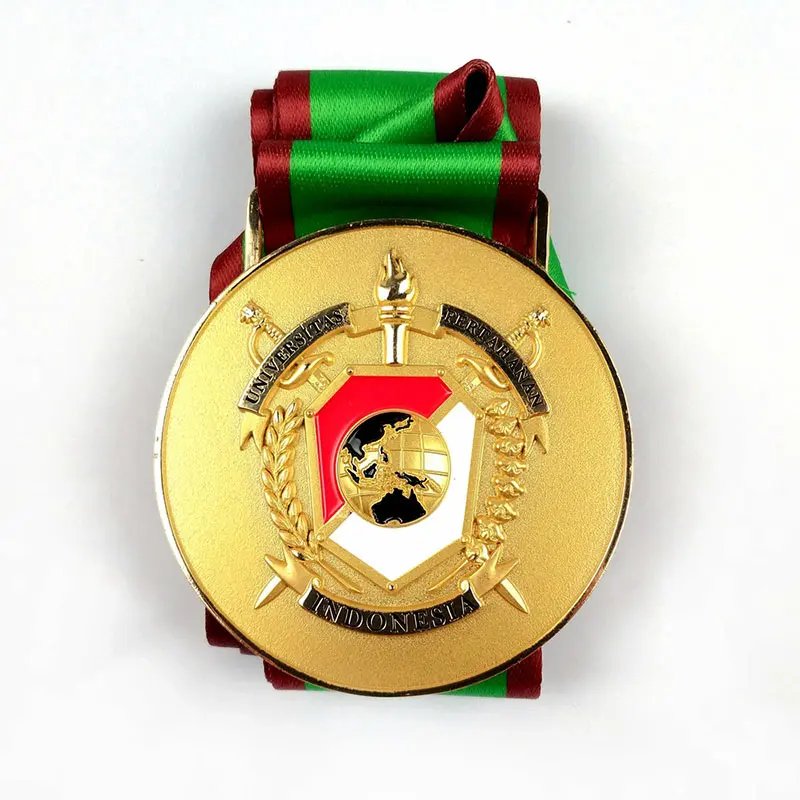
Enamel Medals
Soft enamel and hard enamel medals with vibrant colors and premium finish.
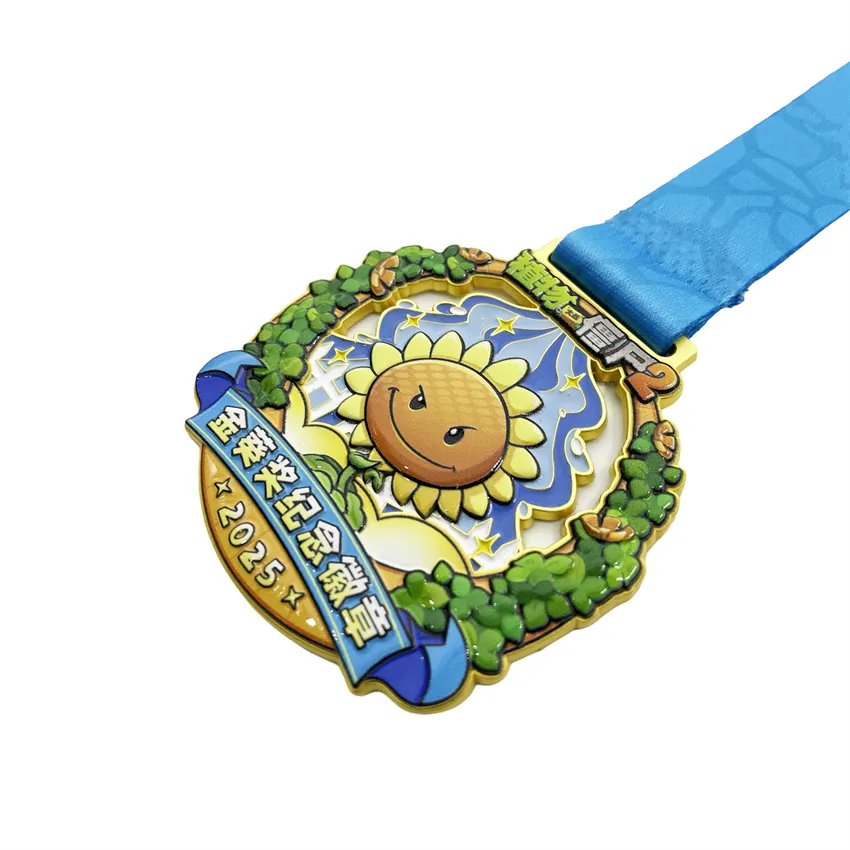
Kids Medals
Fun, colorful custom medals designed specifically for children's events.
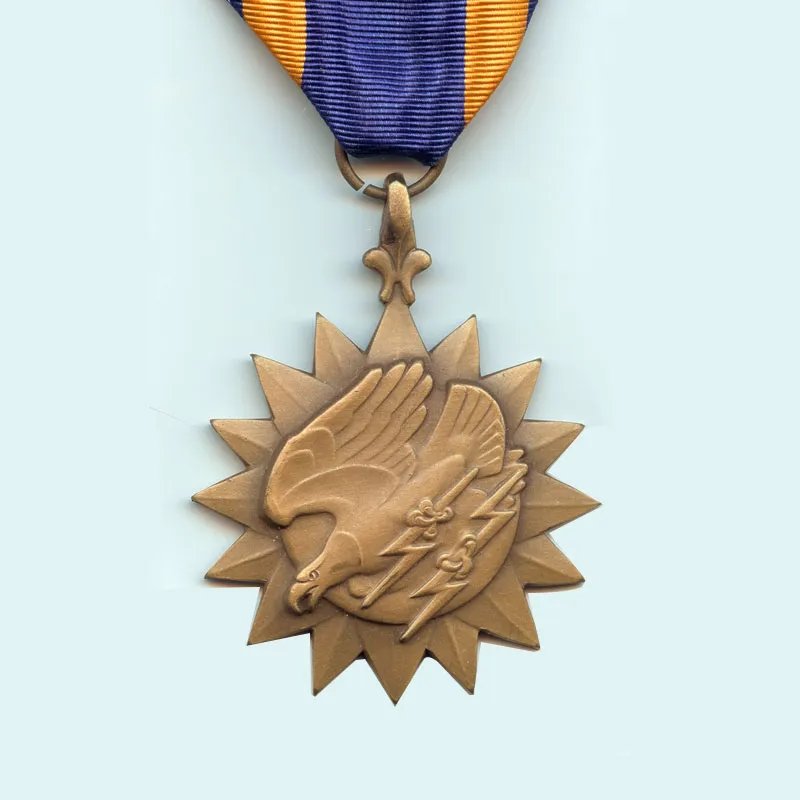
Military Medals
Custom military medals, challenge coins, and commemorative awards.

LED Medals
Light-up LED medals with electronic illumination for unforgettable events.
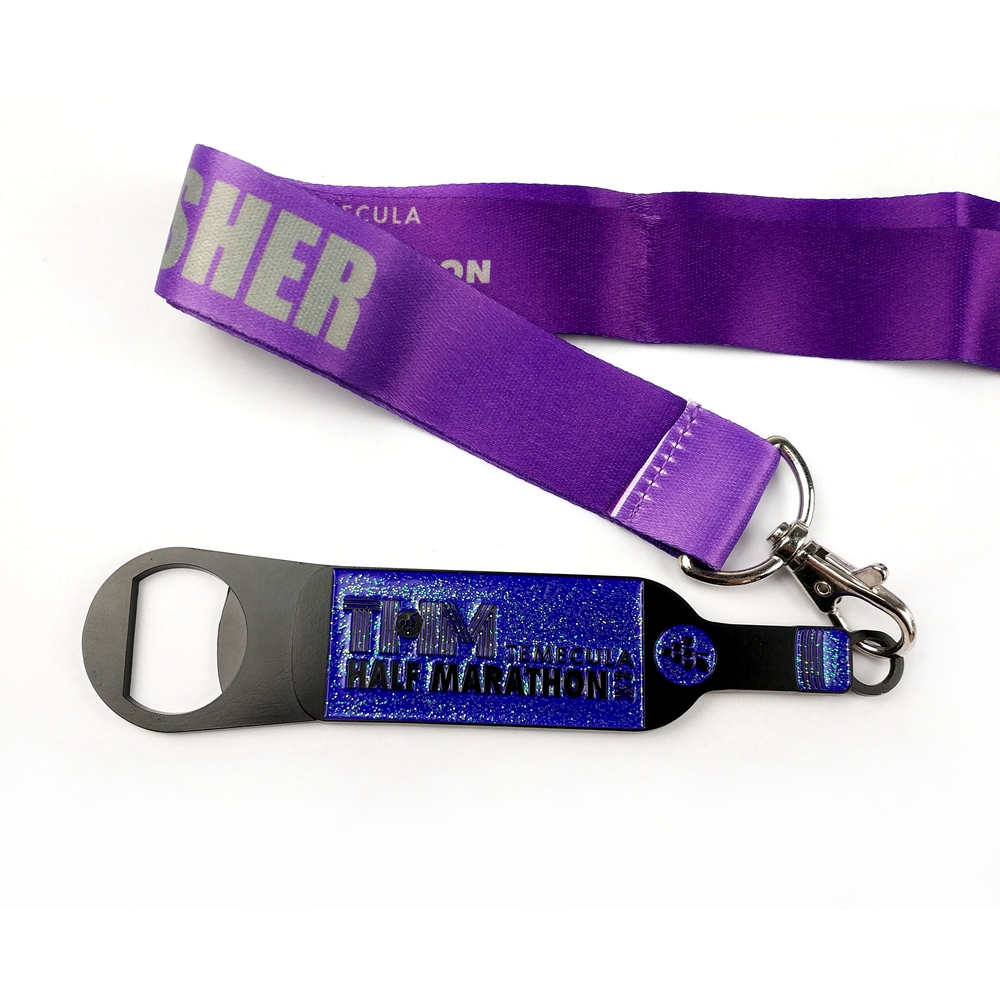
Bottle Opener Medals
Dual-function medals with built-in bottle openers — practical and memorable.
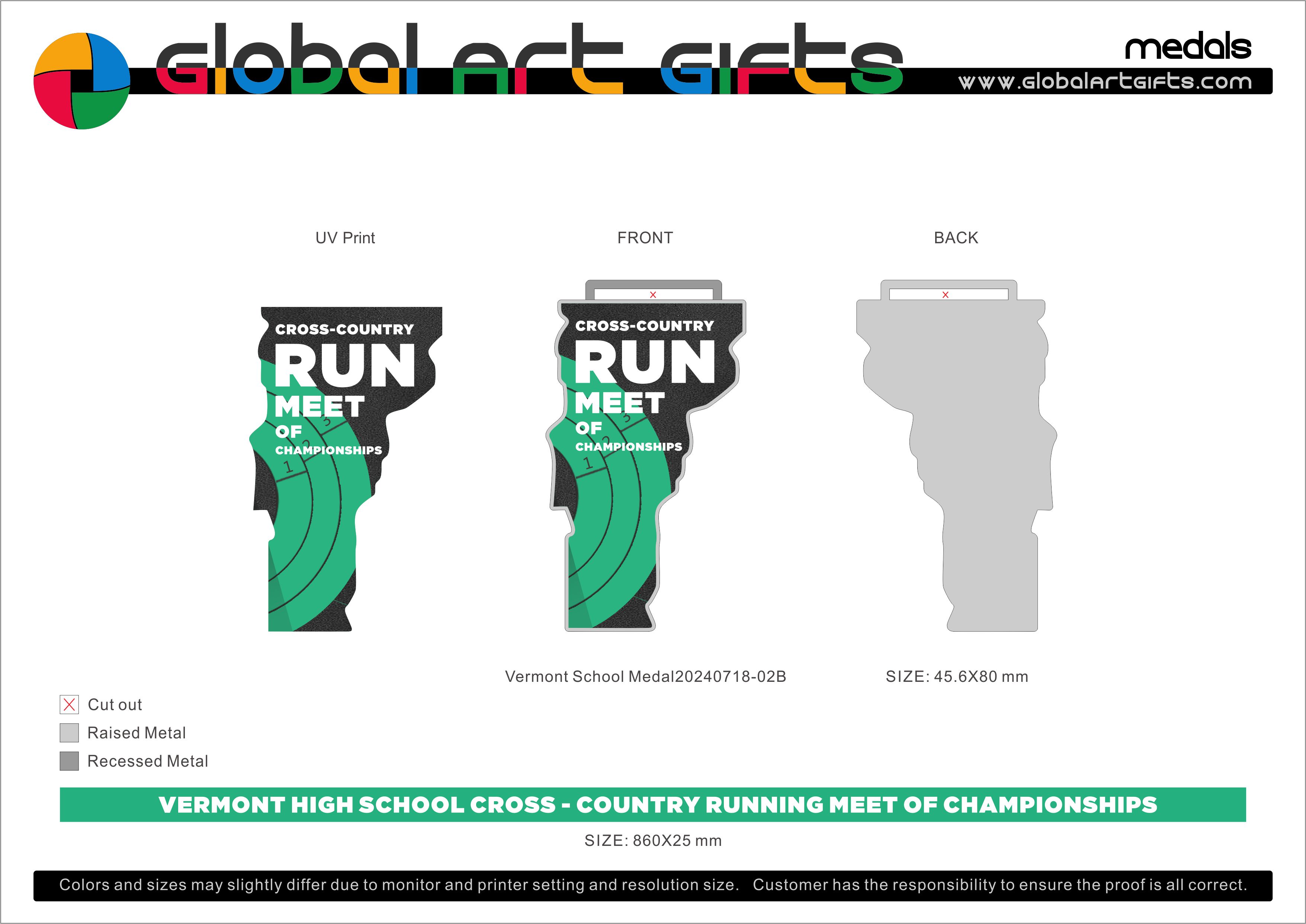
Graduation Medals
Custom graduation medals and academic achievement awards for schools.
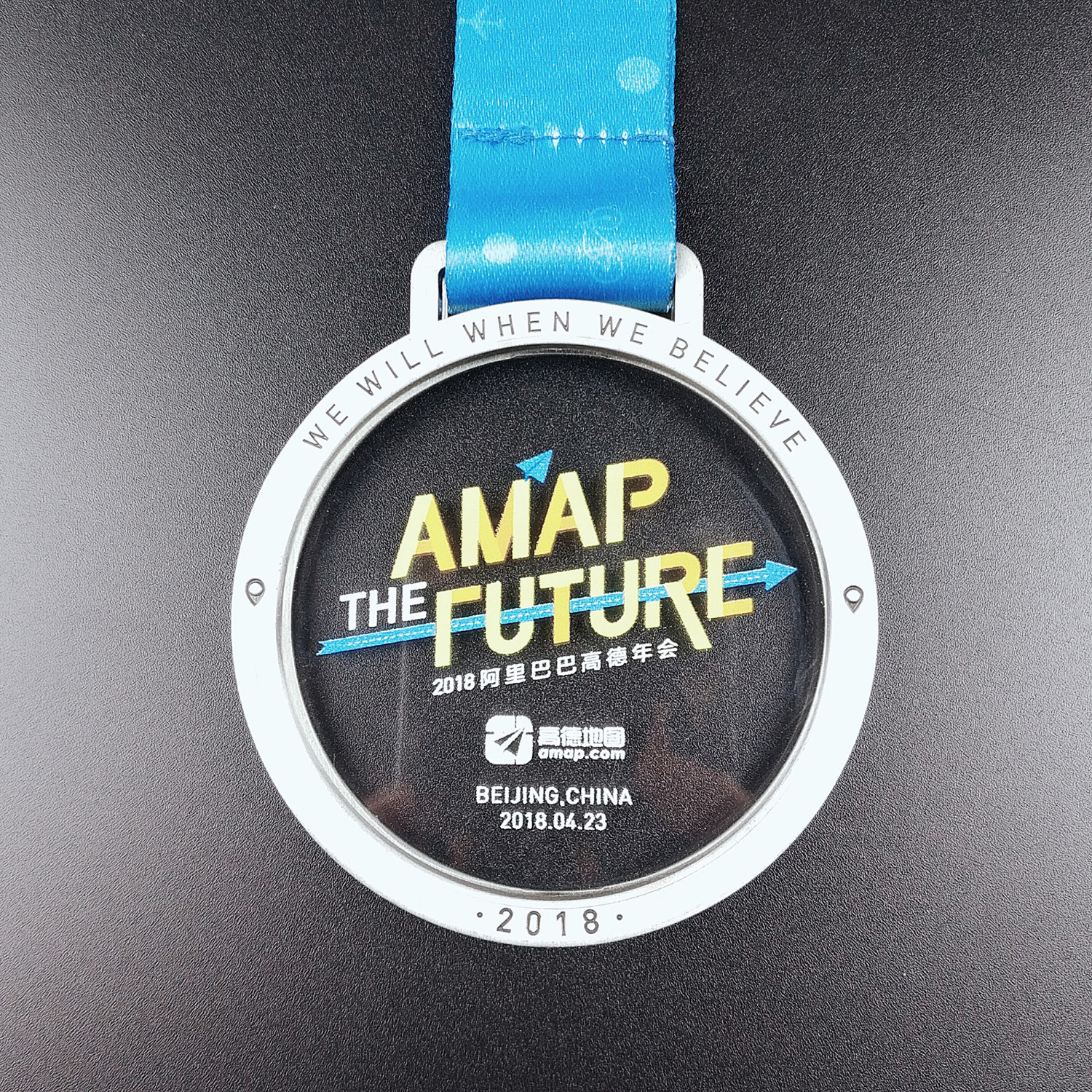
Acrylic Medals
Modern acrylic medals and awards with crystal-clear transparency.
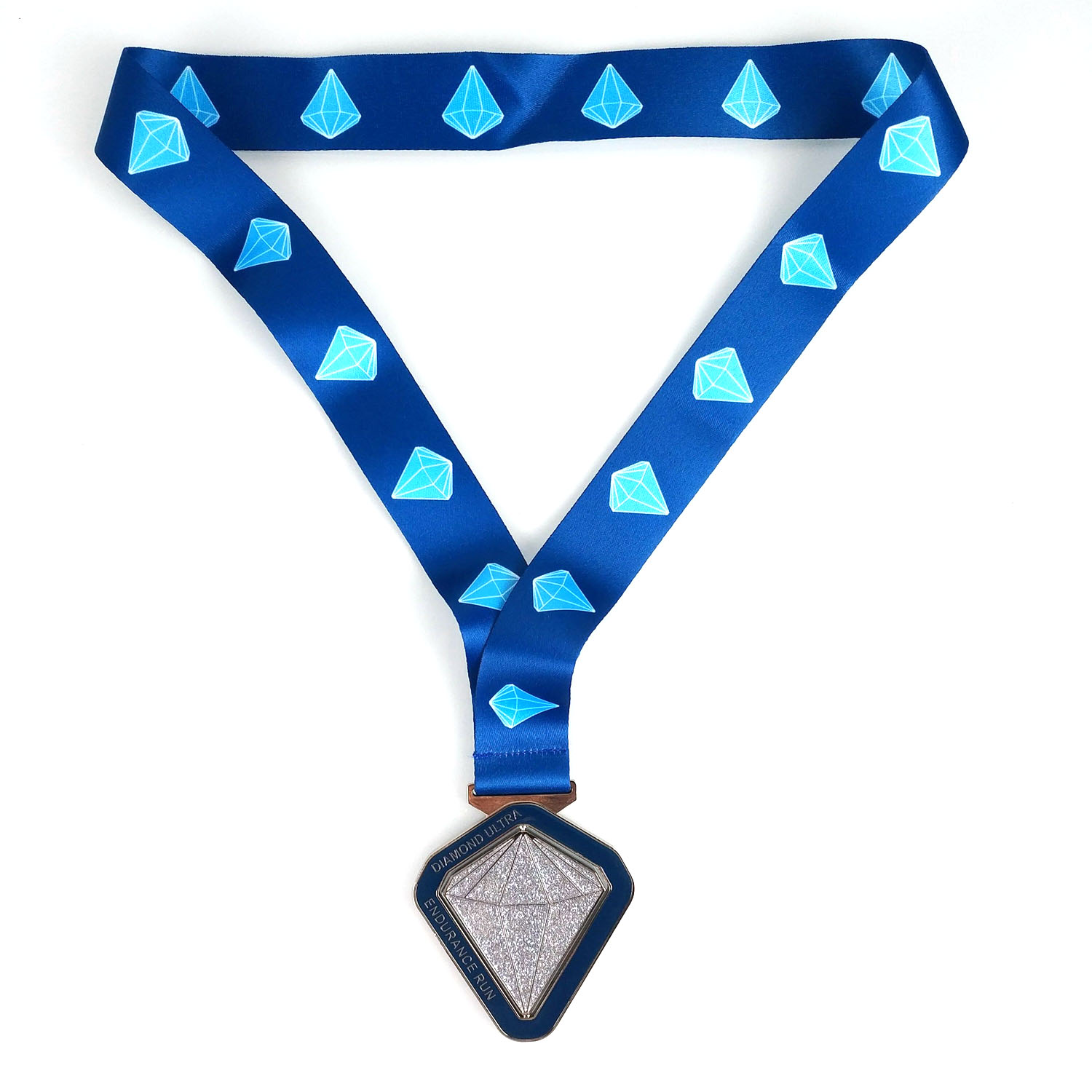
Spinning Medals
Interactive spinning medals with rotating center elements.
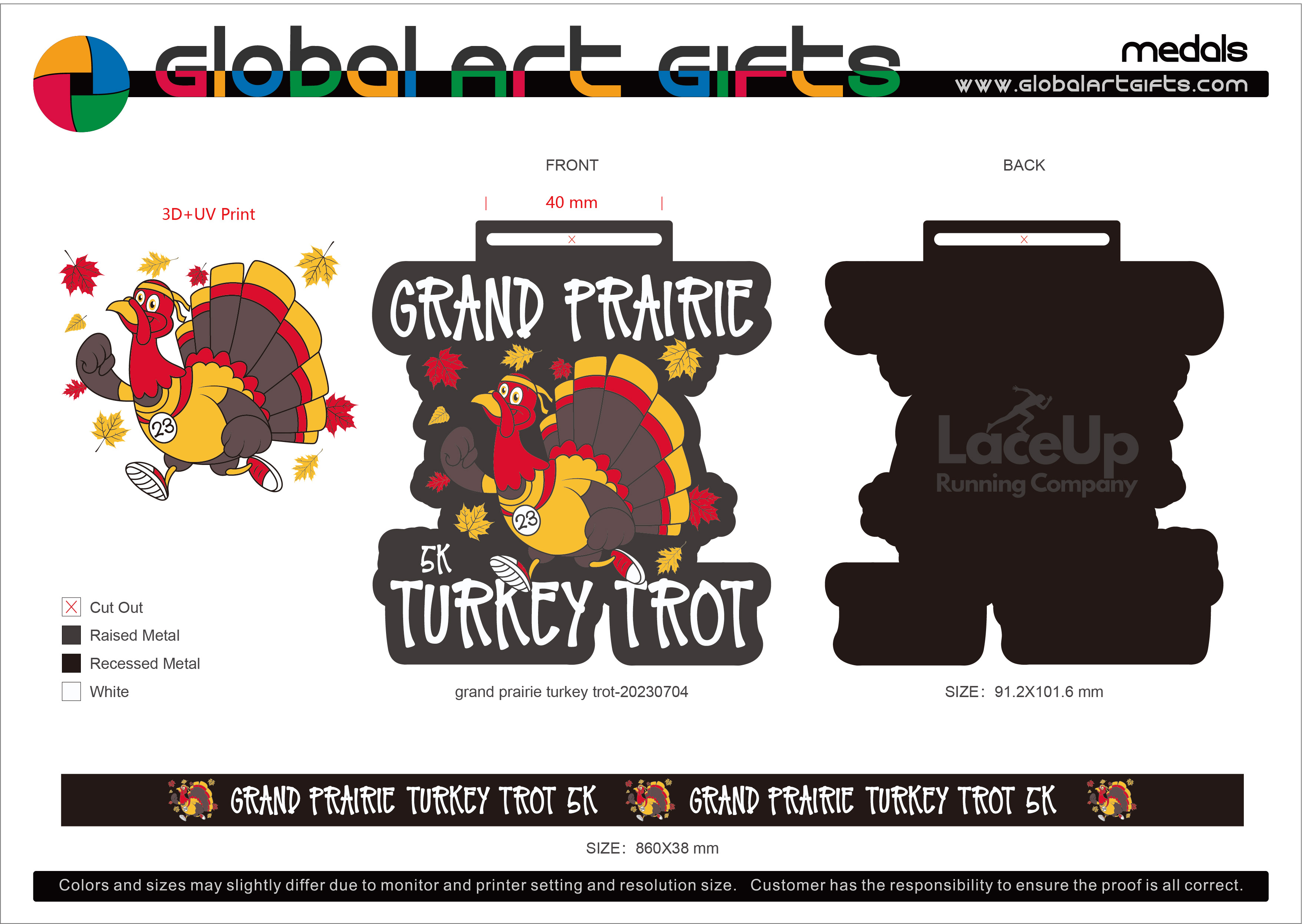
Event Medals
Custom medals for corporate events, festivals, and special occasions.
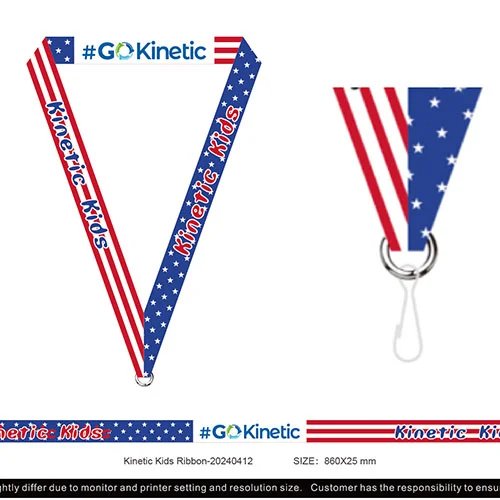
Medal Ribbons
Custom printed medal ribbons, lanyards, and neck bands.
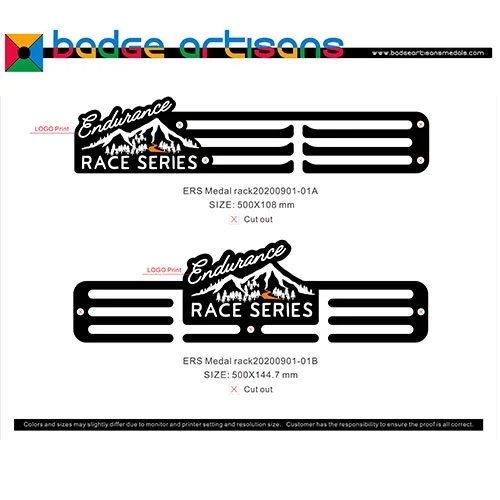
Medal Display Hangers
Custom medal display racks and hangers for showcasing achievements.
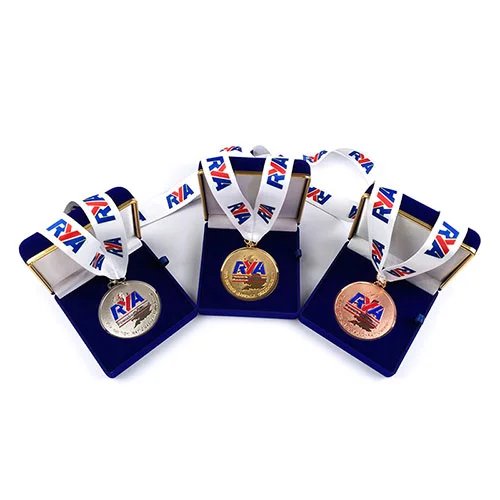
Medal Packaging
Custom medal boxes, velvet cases, and presentation packaging.