“Soft enamel or hard enamel?” It’s the question we answer most often. The two finishes look different, feel different, and cost different — but the differences are not always obvious from photos alone. After producing custom enamel medals for 15 years, here is the straight comparison.
The Fundamental Difference
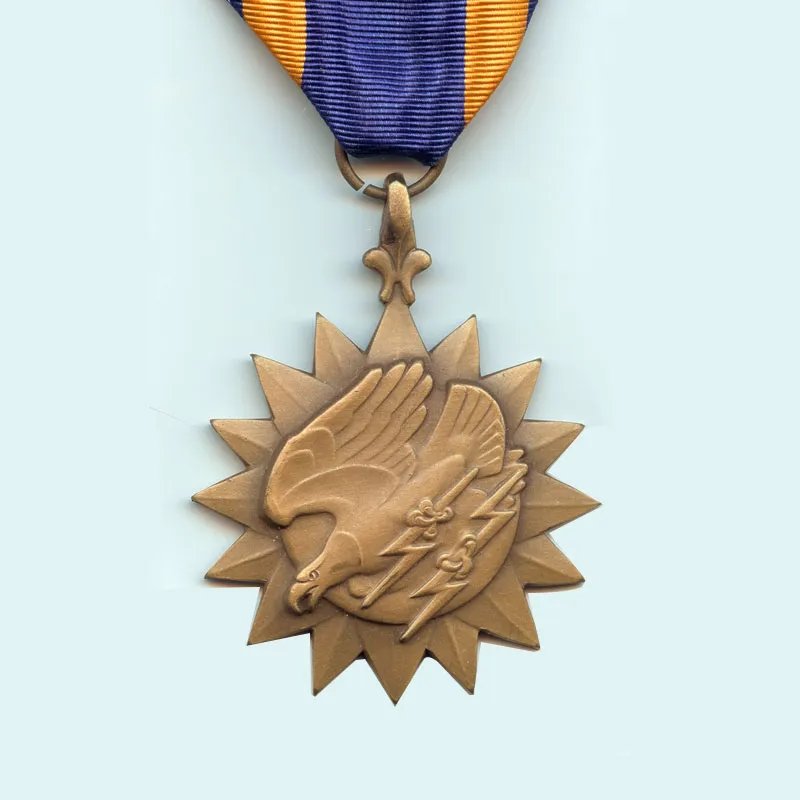
Soft enamel has paint that sits slightly below the metal lines. Run your finger over a soft enamel medal and you will feel the metal ridges — it’s textured, dimensional. The paint is recessed into cavities separated by raised metal borders.
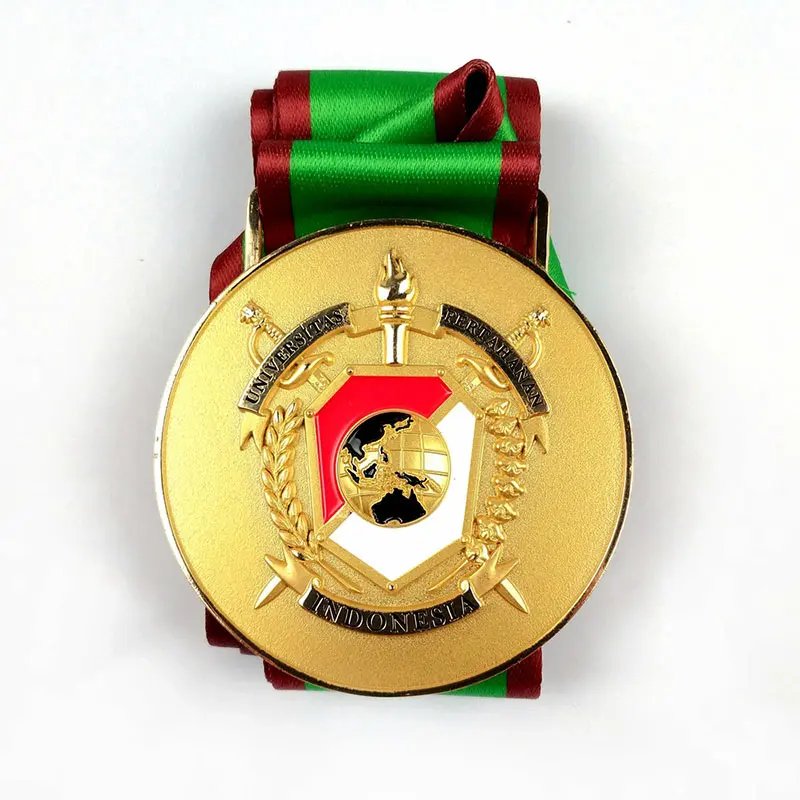
Hard enamel (technically “imitation hard enamel”) has paint filled flush with the metal surface, then the entire medal is polished flat. The result is smooth like glass, with no texture difference between metal and color.
The difference comes from the manufacturing process, not the paint itself.
How Each Finish Is Made
Soft Enamel Process
After the medal is die-cast and plated, liquid enamel paint is dispensed into each recessed area. The medal goes into a curing oven: low-temperature bake at 60-70°C for 60-90 minutes (semi-cure), then high-temperature at 100°C for 60 minutes (full cure). The paint shrinks slightly as it cures, settling below the metal lines. Minimum fill width: 0.3mm.
Soft enamel is the industry standard for race medals, sports medals, and most custom medals. It’s faster to produce, more forgiving of small design variations, and costs less.
Hard Enamel Process
Hard enamel uses a thicker paste instead of liquid paint. After filling, the medal is baked, then the entire surface goes through a polishing machine that grinds the paint and metal down to the same level. The result is a perfectly flat surface with no texture difference. Minimum fill width: 0.5mm.
The polishing step is what makes hard enamel more expensive — it’s an additional production stage that requires precision. Too little polishing and the surface is uneven. Too much and you wear through the plating.
Understanding the full medal manufacturing process helps explain why these differences matter for your order.
Head-to-Head Comparison
| Feature | Soft Enamel | Hard Enamel |
|---|---|---|
| Surface feel | Textured — metal ridges you can feel | Smooth — glass-like, no texture |
| Minimum fill width | 0.3mm (allows finer details) | 0.5mm (requires wider color areas) |
| Relative cost | Standard pricing | 15-25% more expensive |
| Production time | Standard | +1-2 days (polishing step) |
| Durability | Excellent | Excellent |
| Best for | Race medals, sports medals, events | Premium awards, corporate gifts, ceremony medals |
| Color vibrancy | Good — slightly recessed | Excellent — flush surface catches light evenly |
| Detail level | Higher — finer lines possible | Lower — wider color areas needed |
Which Finish for Which Event?
Choose soft enamel if: You want a textured, traditional medal feel. Your design has fine details or small text (the 0.3mm minimum fill width preserves more design real estate). You are ordering at typical event quantities (100-5,000 pieces). You want the standard, proven finish that 90% of custom medals use.
Choose hard enamel if: You want a premium, jewelry-like finish. Your event is a milestone (25th anniversary, championship, corporate recognition). You are producing awards for a formal ceremony rather than a race. You are willing to spend 15-25% more for the smooth, polished look.
Special Enamel Effects Worth Considering
Beyond the soft vs hard decision, several effects can make your medals stand out:
Glitter enamel: Glitter powder is sprinkled onto semi-dried soft enamel, then sealed. The sparkle catches light and photographs beautifully. Popular for night runs, holiday events, and women’s races.
Glow-in-the-dark: Luminous powder is added after the enamel cures. Best used selectively — a moon, a star, the event year. The glow effect is strongest in the first hour after light exposure.
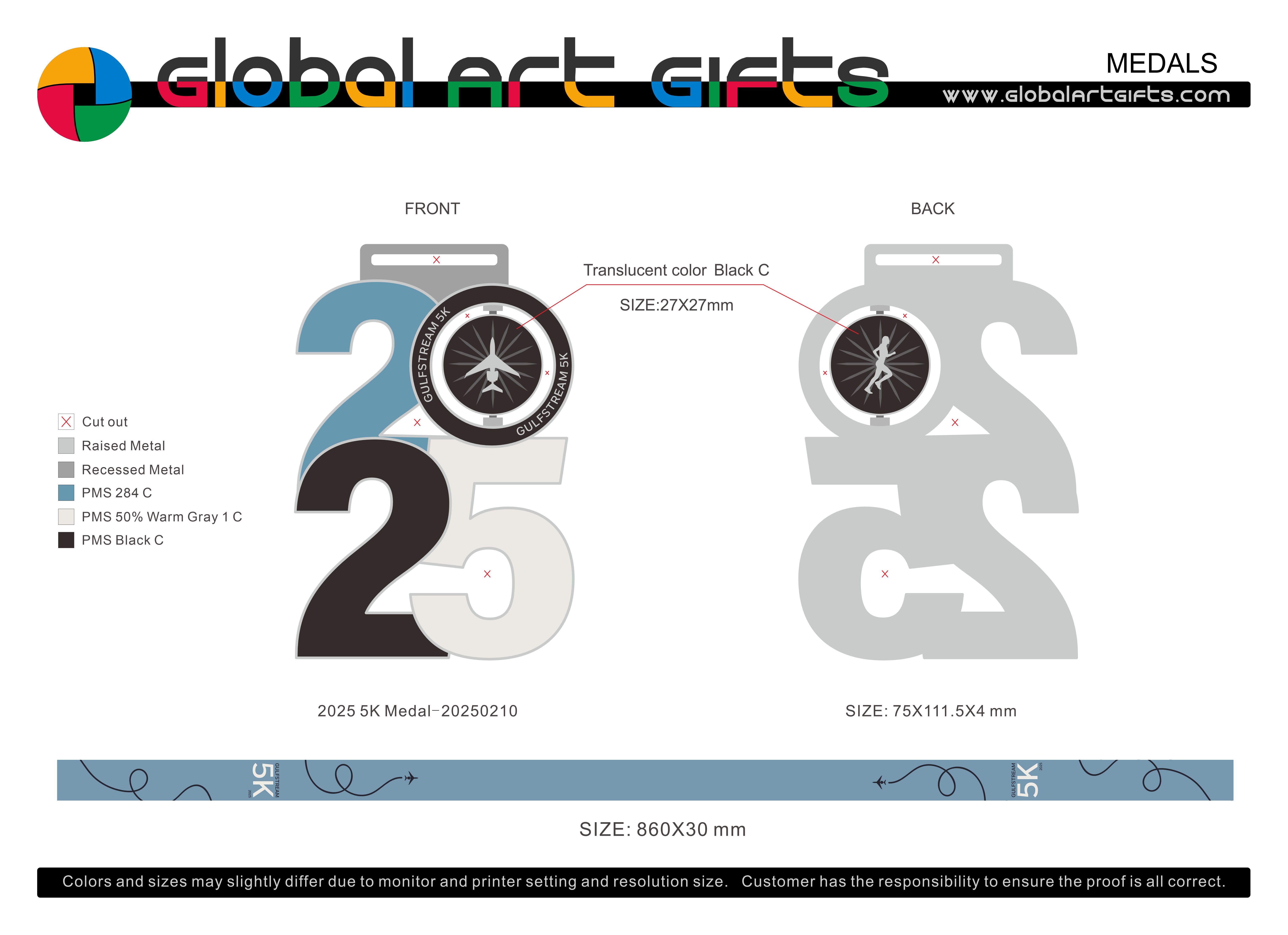
Translucent enamel: Semi-transparent colors over a textured metal base. The metal texture shows through the color, creating depth. Stunning for water-themed designs, nature motifs, and premium corporate awards.
Epoxy coating (soft enamel + AP glue): Soft enamel covered with a clear epoxy dome. The color underneath has the appearance of glass — bright and glossy. Bridges the gap between soft enamel’s cost and hard enamel’s look.
What About Color Matching?
We match enamel colors to Pantone standards. Our paint mixing room stocks 10 base colors (clear red, fluorescent purple-red, green, gold oil, blue, pure white, black, lemon yellow, and two others) that can be blended to match virtually any Pantone shade.
Send us your brand’s Pantone codes and we match them. No Pantone codes? Send a logo or reference image — the design team handles the matching.
For complex, multi-color designs, see our medal design guide for tips on optimizing your artwork for enamel production.
FAQ
Is hard enamel more durable than soft enamel? Both are equally durable for normal use. Hard enamel’s polished surface resists dirt accumulation in the recessed areas, but the paint and metal bond is the same. Neither will fade, chip, or peel under normal conditions.
Can I mix soft and hard enamel on the same medal? No. The production processes are different and cannot be combined on a single piece. Choose one finish for the entire medal.
What is the smallest text size for enamel? Minimum 1.5mm text height for readability. Below that, the enamel may not fill cleanly. For very small text, laser engraving or UV printing is a better option than enamel.
Does hard enamel look better in photos? Hard enamel’s flat, glossy surface photographs more evenly because there are no shadows from recessed paint. Soft enamel photographs well too — the texture adds dimension.
How many colors can I have on one medal? 1-3 colors is standard. 4-6 colors adds a small surcharge. 7+ colors increases cost noticeably because each color requires its own filling step. Every color after the third adds production time.