Custom Acrylic Medals — Modern Clear & Colored Award Designs, MOQ 100
Acrylic medals offer a different aesthetic — transparent, modern, lightweight (1.2 g/cm³ vs zinc 6.7). UV-printed full-color artwork on crystal-clear or colored acrylic. Laser-cut any 2D shape with no mold cost. Popular for tech conferences, design festivals, and modern corporate awards. When your event identity is contemporary, not traditional, acrylic delivers the look that metal cannot.
Product Samples
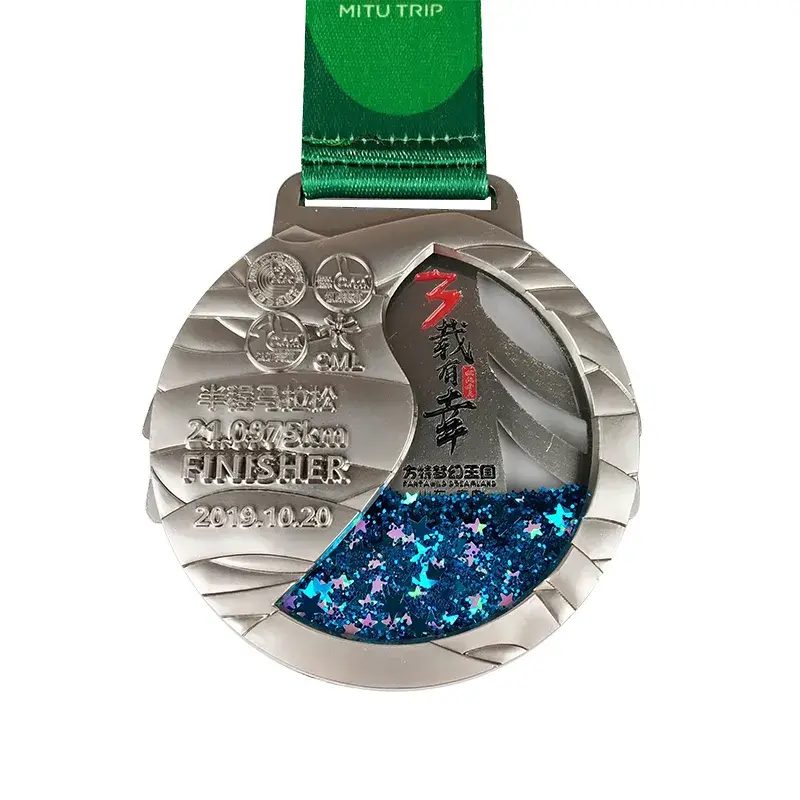
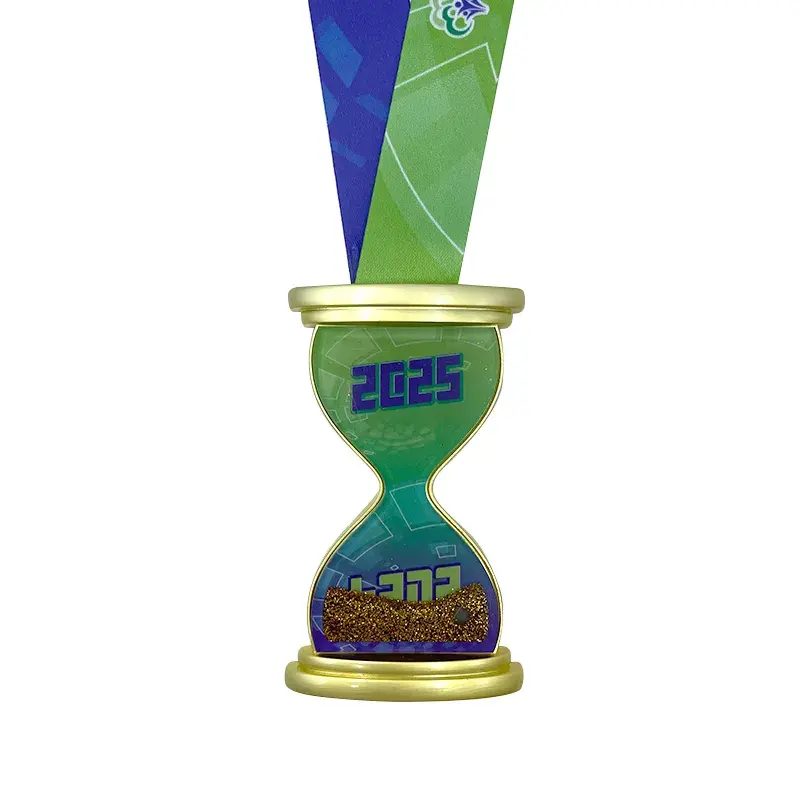
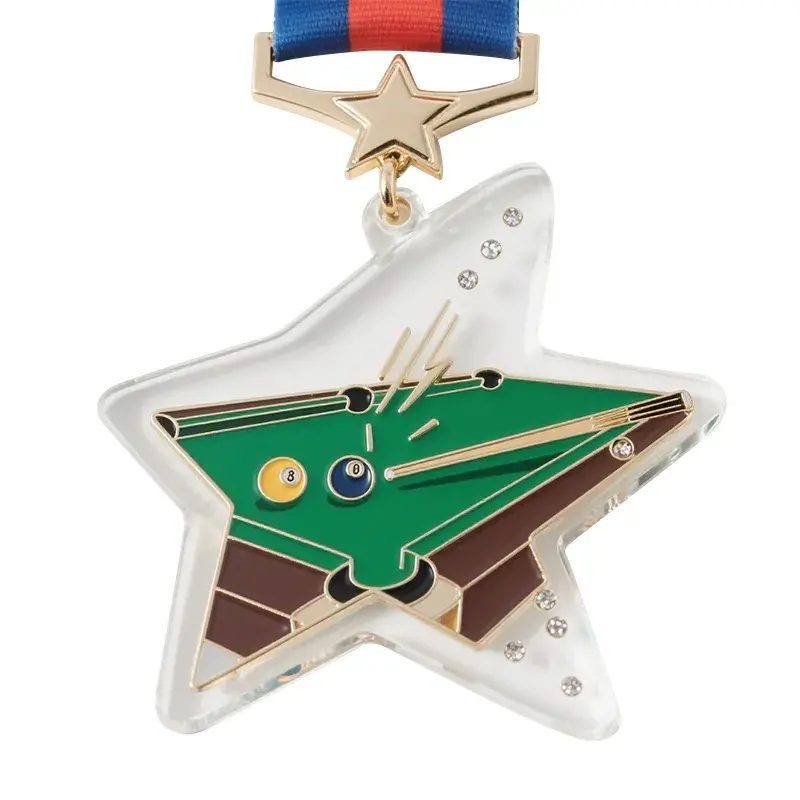
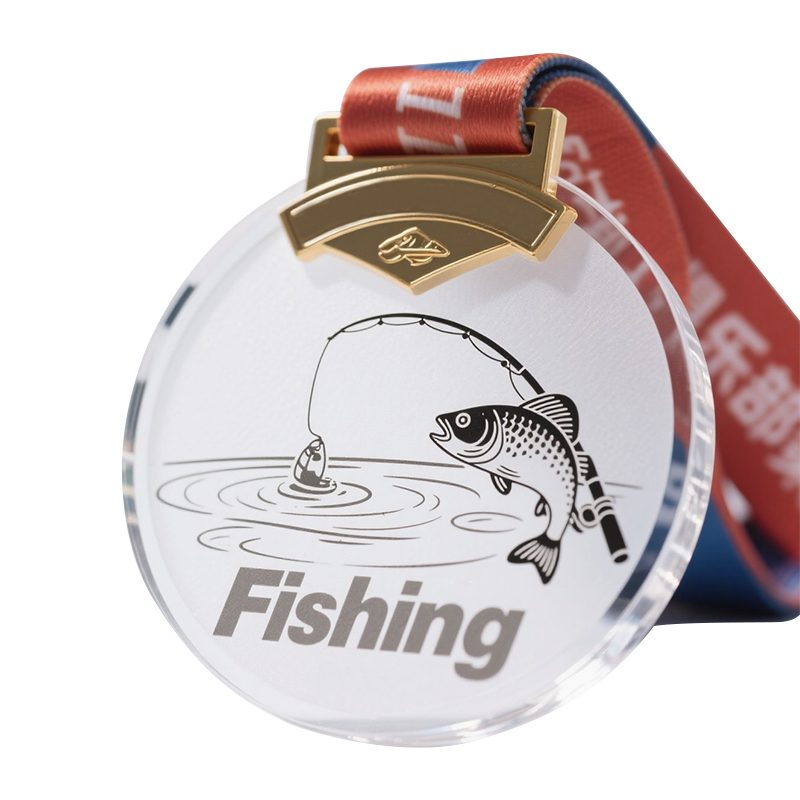
Acrylic Medal Types — 8 Design Variations
Acrylic is a versatile material. Clear, frosted, colored, fluorescent — each variant creates a completely different visual identity. These are the most popular acrylic medal styles.
Acrylic Medal Quick Specs — Technical Reference
| Specification | Standard | Notes / Options |
|---|---|---|
| Material | PMMA acrylic — 1.2 g/cm³ density | German-origin material; shatter-resistant (not brittle like glass); scratchable surface |
| Cutting | Laser-cut from sheet — no mold required | Any 2D shape possible; minimum detail ~2mm (laser kerf limit); no 3D relief (flat surface only) |
| Thickness | 3–6mm standard | 3mm = lightweight modern feel; 6mm = substantial, more edge area for polishing and engraving |
| Size | 2–4 inches (50–102mm) | Larger sizes possible but acrylic flexibility increases with size — thicker material recommended above 4 inches |
| Printing | UV full-color CMYK — reverse-printed on back surface | Photographic quality; artwork protected behind material thickness; front surface remains glossy and clean |
| Edge Finish | Polished clear (glossy transparent), flame-polished (smoothest), or frosted matte | Edge finish dramatically changes the overall aesthetic — each creates a different look |
| Color Options | Clear, frosted matte, solid colors (red/blue/green/black/white), fluorescent (UV-reactive) | Solid colors use pigmented acrylic sheet — color is through the material, not applied to surface |
| Durability | Shatter-resistant — will not crack like glass; scratchable | Best for indoor display; not recommended for rough handling or outdoor events; surface scratches visible on clear acrylic |
| MOQ | 100 pieces per design | No mold cost means faster, cheaper setup for small runs; volume discounts at 300 / 500 / 1,000+ |
| Production | Faster setup than die-casting — no mold fabrication needed | Standard 7–12 days after design approval; laser cutting + UV printing are both rapid processes |
What Makes Acrylic Medals Different — Four Defining Qualities
Acrylic is not just a cheaper alternative to metal — it is a different material with its own design language, advantages, and constraints. Understanding these four qualities helps you decide if acrylic is right for your event.
Crystal Transparency — Artwork That Floats
Clear acrylic with polished edges creates a glass-like appearance without the fragility. The magic is in the reverse printing technique: full-color UV artwork is printed on the back surface of the acrylic, then viewed through the material thickness from the front. The printed artwork appears to float within the material — suspended in crystal. This visual depth is impossible to achieve with opaque materials like zinc alloy or brass. The front surface remains glossy and clean, protected from handling wear. For events where visual elegance matters more than heft — design conferences, art exhibitions, modern corporate galas — this floating-artwork effect is the defining feature.
No Mold Required — Laser-Cut Freedom
Acrylic medals are laser-cut from sheet material. This means any 2D shape is possible with zero mold cost. Complex silhouettes, internal cutouts, interlocking shapes — if a laser can trace it, we can produce it. Setup is dramatically faster than die-casting: no mold design, no CNC steel cutting, no mold testing. This makes acrylic ideal for small production runs where mold cost would dominate the unit price of a zinc alloy medal. The trade-off: acrylic is inherently flat. You cannot achieve 3D sculptural relief with laser cutting. If your design relies on depth, texture, and dimensionality, zinc alloy is the better choice. If your design is graphic, typographic, or silhouette-based, acrylic is perfect.
Lightweight Modern Aesthetic — 1.2 vs 6.7 g/cm³
Acrylic weighs roughly one-fifth of zinc alloy per unit volume. A typical 2.5-inch acrylic medal weighs about 15-25 grams versus 50-80 grams for the same size in zinc. This weight difference is not a compromise — it is a design choice. The modern, minimalist aesthetic suits tech conferences, design festivals, and contemporary corporate events where heavy traditional medals would feel out of place. Lightweight medals also mean lower shipping costs — meaningful for events shipping awards to hundreds of remote participants. For events where participants wear multiple medals or where children are recipients, the lighter weight is a practical advantage, not a drawback.
Edge Finishing Options — Four Distinct Looks
The edge of an acrylic medal is a design surface in itself. Polished clear edge: glossy and transparent, the edge catches light like cut crystal — the most popular option for clear acrylic. Flame-polished edge: the smoothest possible finish, achieved by briefly exposing the laser-cut edge to a controlled flame that melts the surface imperfections — creates a mirror-smooth edge. Frosted matte edge: the natural laser-cut surface left unpolished — a modern, minimal, almost architectural look. Colored edge: the edge takes on the body color for solid-colored acrylic — creates a clean, unified monochrome appearance. Each edge finish creates a completely different personality for the same medal shape. This is a design decision, not an afterthought.
Customization Options — Make Your Acrylic Medal Unique
Fluorescent UV-Reactive Acrylic
Acrylic that glows brilliantly under UV blacklight. Perfect for evening award ceremonies with blacklight effects, glow-themed parties, night runs, and music festivals. The material itself fluoresces — not a coating that can wear off. Available in multiple fluorescent colors. Combine with clear acrylic for a two-tone effect.
Multi-Layer — Stacked Colors
Two or more layers of differently colored acrylic bonded together. Each layer can be a different shape, creating dimensional depth through color contrast. Red layer behind clear layer creates a tinted transparent effect. Multiple colored layers create a striated edge profile. Stacked construction adds visual complexity without mold cost.
Colored Edge + Clear Body
The body is clear acrylic with UV-printed artwork. The edge is a different color — achieved by using colored acrylic as the base and bonding clear layers. The edge color frames the medal like a colored border. Popular for brand-color accents: a clear medal with the company's signature color visible only on the edge.
Laser-Etched Text & Logo
Laser engraving creates permanent, high-contrast markings on the acrylic surface. Text, logos, participant names, event dates — all etched directly into the material. The etched area turns frosted white on clear acrylic, creating a subtle, elegant contrast. Combine with UV printing for a mixed-media effect: printed artwork with etched text.
Custom Shape — Any 2D Silhouette
Your company logo outline. A festival mascot silhouette. A product shape. A building profile. A state or country outline. If you can draw it in vector format (.AI, .EPS, .PDF), we can laser-cut it. Complex internal cutouts are possible — the laser can pierce the material and cut from the inside. Minimum wall thickness: 2mm everywhere.
Reverse-Printed Full-Color Artwork
The signature acrylic technique. Your full-color design — photograph, illustration, gradient, typography — is UV-printed in CMYK on the back surface of the acrylic. Viewed from the front through the material, the artwork appears to float. The printed surface is protected behind 3-6mm of acrylic — it will never scratch, fade from handling, or peel.
Acrylic vs Zinc Alloy / Metal Medals — Which Should You Choose?
Acrylic is not a cheaper metal — it is a different material with its own design language. Use this table to decide which is right for your event.
| Dimension | Acrylic Medals | Zinc Alloy / Metal Medals |
|---|---|---|
| How it is made | Laser-cut from PMMA sheet — no mold required | Die-cast at 385°C on an 88-ton press — steel mold required |
| Density / weight | 1.2 g/cm³ — roughly one-fifth of metal; very light | 6.7 g/cm³ zinc alloy — substantial, premium hand-feel |
| 3D relief | Flat surface only — no sculptural depth | 0.1–4mm sculptural 3D relief and openwork cut-outs |
| Best for | Modern, graphic, typographic, silhouette designs | Sculptural, heirloom, textured, dimensional designs |
| Durability | Shatter-resistant; surface can scratch — best indoor | Highly durable; survives rough handling and outdoor use |
| Setup cost | No mold cost — 40–60% lower for small runs | Mold cost amortised across the run; cheaper at volume |
| Lead time | 7–12 days — faster setup, no tooling | 7–15 days after sample approval |
| MOQ | 100 pieces per design | 100 pieces per design |
Choose acrylic for a contemporary, lightweight, full-color award. Choose zinc alloy when you need 3D sculptural relief, maximum durability, or an heirloom feel. Many clients order both — acrylic for the modern gala, metal for the championship.
Best Events & Use Cases for Acrylic Medals
Acrylic shines at events with a forward-looking identity. These are the occasions where clear, colorful, lightweight awards outperform traditional metal.
Tech Conferences & Summits
Laser-cut logos and UV-printed full-color branding read as exactly the right kind of modern.
Design Festivals & Exhibitions
The floating full-color artwork effect is a natural fit for creative, visual industries.
Music Festivals & Night Runs
Fluorescent UV-reactive acrylic glows under blacklight — built into the material, not a coating.
Corporate Innovation Awards
Lightweight, elegant, brand-color-matched — a desk award people actually keep.
Art Openings & Galas
Clear crystal edges catch the light like cut glass without the fragility.
Modern Weddings & Anniversaries
Subtle, personalized keepsakes with photo-quality UV printing.
For outdoor events, rough handling, or children's awards where medals are played with, zinc alloy is the more durable choice.
Caring for Acrylic Medals — Cleaning & Storage
Cleaning
Wipe with a soft microfiber cloth and mild soapy water. Avoid ammonia-based cleaners (they cloud the surface) and never use abrasive pads or rough tissue — acrylic scratches more easily than glass or metal.
Storage
Keep medals in the included poly bag or a soft pouch. Store away from keys, coins and hard objects that could rub the surface. Reverse-printed artwork sits behind the material, so it never scratches — only the clear front face needs care.
Display
Indoor display — wall, shelf or stand — is ideal. Acrylic is UV-stabilised against yellowing, but for permanent outdoor installation we recommend metal instead.
Why Choose Our Acrylic Medals
No Mold Cost — Faster, Cheaper Setup
The most immediate advantage of acrylic over zinc alloy: zero mold fabrication cost. Laser cutting requires no tooling — the digital design file goes directly to the laser cutter. This means your initial setup cost is dramatically lower, and your project can move from concept to production faster. For events needing 100-300 medals, the elimination of mold cost can reduce total project cost by 40-60% compared to an equivalent custom-shaped zinc alloy medal. Complex shapes that would require expensive multi-part molds in zinc alloy are simply laser-cut from acrylic at no additional shape premium.
German-Origin PMMA Material
We use premium PMMA (polymethyl methacrylate) acrylic sourced from German-origin material suppliers. This is not the brittle, yellowing acrylic found in budget products. Our PMMA is optically clear, UV-stabilized against yellowing, and shatter-resistant. The material clarity is the foundation of the acrylic medal aesthetic — cloudy or low-grade acrylic undermines the entire visual effect. Colored acrylic sheets use pigments that are lightfast and consistent batch-to-batch. Your reorder will match your original in color and clarity.
One Factory — Cutting, Printing, Finishing In-House
Laser cutting, UV printing, edge polishing, laser etching, assembly, QC, packaging — every step happens under our roof. When the person cutting the acrylic is ten meters from the person UV-printing the artwork, communication is instant. Quality issues are caught in real time, not discovered after outsourced batches arrive. This integrated workflow is why we can offer competitive pricing on small MOQ acrylic orders while maintaining consistent quality.
Artwork Files for Acrylic Medals — What to Send and What We Fix Free
You do not need print-ready artwork to get started. Send whatever you have — our in-house design team converts it into a laser cut path and a UV print layer, and you approve a rendering before anything is cut.
| What you send | Best for | What our design team does |
|---|---|---|
| Vector artwork — .AI / .EPS / .PDF | Logos, mascot silhouettes, typography, cut outlines | Preferred format. We split the cut path from the print layer automatically so shape and artwork stay aligned. |
| High-resolution raster — .JPG / .PNG / .TIFF | Photographs, gradients, painted illustrations | Accepted for the print layer. We re-draw the cut outline as vector and send it back for approval. |
| Sketch, screenshot or reference photo | Early-stage concepts and mood boards | Enough to start. We redraw it as production artwork and return a free rendering within 24 hours. |
| Brand guidelines with Pantone references | Brand-critical color matching | We match the UV print to your Pantone references. Solid acrylic sheet colors are matched from our stock color range. |
| Spreadsheet of names or numbers | Participant names, bib numbers, serial numbering, event dates | Laser engraving runs variable content piece by piece — no plate or screen charge, no minimum per name. |
| Cut-path notes | Fine detail, internal cutouts, thin walls | The laser kerf sets the smallest detail we can hold — our guidance is around 2mm. We flag anything tighter before cutting. |
Revisions are unlimited until you approve. Read our custom shape artwork rules if you are designing a silhouette medal.
Acrylic vs Metal — Decision Table by Event Type
The material question is really an event question. This is how we advise buyers when they send us a brief and ask which way to go.
| Event type | We recommend | Why that material wins |
|---|---|---|
| Tech conference, product launch, hackathon | Acrylic | Flat, graphic, full-color artwork with a crystal edge reads contemporary. With no mold cost, a one-off custom shape is affordable even at 100 pieces. |
| Design festival, art exhibition, gallery opening | Acrylic | Reverse-printed full color is the closest any medal gets to printed artwork. The floating effect suits visual industries. |
| Marathon, half marathon, triathlon | Die-cast zinc alloy | Sculptural relief and openwork cut-outs, plus the 6.7 g/cm³ weight finishers expect. Metal also survives bulk packing and rough shipping. |
| School and university graduation | Acrylic or zinc alloy | Acrylic for a modern school brand and photo-quality portraits; zinc alloy when the medal is meant to be a decades-long keepsake. |
| Corporate service and anniversary awards | Acrylic with a colored edge | Desk-friendly and brand-color matched, and light enough to mount on a stand or hang without heavy fixings. |
| Military, ceremonial and challenge coin programmes | Zinc alloy or brass | Uniform insignia, antique plating and two-tone finishes need metal. Brass also takes a fine stamped edge. |
| Youth sports and children's awards | Zinc alloy | These medals get handled, dropped and played with. Metal shrugs off rough treatment far better than an acrylic face. |
Running a race or a league? Compare our die-cast race medals and 3D sports medals before you decide.
Quantity, Tooling and Lead Time — Acrylic Medal Planning Table
Acrylic carries no mold cost at any quantity, so scaling up changes the unit price and the production slot — not the tooling budget. Use this table to plan your order against your event date.
| Quantity per design | Tooling | What changes as you scale | Indicative schedule |
|---|---|---|---|
| 100 pieces (MOQ) | No mold — laser cut from sheet | Lowest entry point. Ideal for a single event or a pilot run before committing to a full programme. | Free artwork in 24 hours; sampling 7-10 days; bulk production 7-15 days after approval. |
| 300 pieces | No mold | First step on the volume price ladder. | Same schedule — cutting and printing scale with quantity. |
| 500 pieces | No mold | Second price step; economical to add edge polishing or multi-layer builds. | Same schedule; we reserve laser and UV capacity in advance. |
| 1,000 pieces and above | No mold | Third price step; dedicated production slot and consolidated cartons. | Schedule confirmed per order; capacity is planned at quotation. |
| Multi-event annual programme | No mold for acrylic; one steel mold if any part is die-cast | Acrylic reorders are identical — there is no tooling to store, maintain or re-pay. | Repeat runs move straight to production once artwork is on file. |
For comparison, a die-cast medal needs a mold cut from mold steel and run on an 88-ton press at 385°C, with a 2mm minimum wall thickness — a one-time tooling cost that is amortised across the run. Acrylic never carries that line. Plan your dates with our shipping and lead-time planning guide, or start from the bulk ordering checklist.
Factory Trust — Certifications, Capacity and Three-Stage QC
We are the factory, not a trading office. Acrylic cutting, printing and assembly sit in the same building as our die-casting line, and every order runs the same quality system.
Our own factory in Huizhou since 2010
Badge Artisans has manufactured medals in Huizhou, Guangdong since 2010, with a sales office in Dongguan. Daily capacity is 30,000+ pieces and we export to 50+ countries across North America, Europe, Australia and beyond.
Three-stage QC, 100% qualified delivery
Stage one checks incoming sheet and casting material. Stage two inspects in-process work at cutting, printing and finishing. Stage three is a final piece-by-piece inspection before packing, so the carton you receive is the carton we signed off.
Audited and certified
We hold BSCI, Disney, ISO9001, Reach, RoHS, TUV Rheinland, Sedex and USJ certification. Compliance documentation is available with your quotation for corporate and retail buyers who need it on file.
Speed that fits an event calendar
Free artwork and renderings within 24 hours, sampling in 7-10 days, bulk production in 7-15 days after approval, and a minimum of 100 pieces per design. Revisions are unlimited until you sign off.
The same factory and the same three-stage QC stand behind our conference and festival medal programmes, sports medals and trophy ranges.
Printing and Marking Routes for Acrylic Medals
Acrylic takes a flat surface, which opens up most of the print routes we run in-house. This is what each one gives you, and where it stops.
| Route | Surface it handles | What it gives you |
|---|---|---|
| UV printing | Flat surfaces and 3D surfaces with a height difference up to 7mm | Full-color CMYK with gradients and photographs, cured instantly. This is the standard route for acrylic artwork, normally reverse-printed on the back face. |
| Laser engraving | Every surface we run | Permanent frosted marking for names, bib numbers and serials. It handles variable content piece by piece with no plate or screen charge. |
| Silkscreen printing | Flat surfaces only | Spot colors with very precise registration. No gradients, and a screen charge applies — best for simple high-contrast brand marks. |
| Pad printing | Flat and uneven surfaces | Low plate cost and reliable coverage on small, awkward areas, but not suited to large-format artwork. |
On die-cast metal we can also fill color into recessed areas — soft enamel down to a 0.3mm color gap, imitation hard enamel and glass enamel down to 0.5mm — then cure it at 60-70°C before a final 100°C bake. That is how metal holds fine lines no print route can reproduce. Acrylic wins on full-color images; metal wins on fine metal-line detail. Read UV printing versus enamel color filling for the full comparison.
Acrylic Medal FAQ — Answers From the Factory Floor
How durable are acrylic medals compared to metal medals?
Different durability profile — not better or worse, just different. Acrylic is shatter-resistant (will not crack like glass when dropped) but the surface can scratch more easily than zinc alloy. Metal medals can survive being tossed in a gym bag; acrylic medals should be handled with moderate care. For indoor display — hung on a wall, placed on a shelf — acrylic durability is perfectly adequate. For outdoor events, rough handling, or children's awards where medals will be played with, zinc alloy is the more durable choice.
Do acrylic medals require a mold? What does that save?
No mold is required. Acrylic medals are laser-cut from sheet material — the digital design file goes directly to the laser cutter. This eliminates mold fabrication cost entirely. For custom-shaped medals, this can reduce initial setup cost by 40-60% compared to zinc alloy die-casting. The trade-off is that acrylic cannot achieve 3D relief — the surface is inherently flat. Choose acrylic for graphic, typographic, or silhouette-based designs. Choose zinc alloy for sculptural, textured, dimensional designs.
Can you print full-color photographs and artwork on acrylic?
Yes — UV printing produces full-color CMYK output at photographic quality. Gradients, photographs, illustrations, and complex typography all print with excellent color accuracy and sharpness. The artwork is reverse-printed on the back surface of clear acrylic, so it is viewed through the material — this protects the print from scratches and gives it a floating, dimensional appearance. The maximum printable area covers the entire medal surface up to the edge.
What shapes are possible with laser-cut acrylic?
Any 2D shape that can be defined in vector format (.AI, .EPS, .PDF). Company logos, mascot silhouettes, product outlines, building profiles, state or country maps, abstract geometric shapes, interlocking puzzle pieces. Internal cutouts are possible — the laser can pierce the material and cut from the inside. Minimum detail size is approximately 2mm (the laser kerf limitation). There is no shape premium — a star costs the same as a circle.
Will acrylic medals scratch easily? How should they be handled?
Acrylic surfaces can scratch — this is the material's primary physical limitation. The surface hardness is lower than glass or metal. Normal handling (holding, wearing around the neck, placing on a shelf) will not cause visible scratching. But rubbing against keys in a pocket, sliding across a rough table surface, or being tossed in a drawer with other hard objects can produce surface scratches. For clear acrylic, we recommend the reverse-printing technique — the printed surface is behind the material and cannot be scratched. Individual poly bag packaging is included to protect medals during transport and distribution.
How much lighter are acrylic medals compared to metal?
Acrylic (PMMA) has a density of approximately 1.2 g/cm³. Zinc alloy is approximately 6.7 g/cm³ — nearly six times denser. A typical 2.5-inch acrylic medal at 4mm thickness weighs approximately 15-25 grams. The same size in zinc alloy weighs approximately 50-80 grams. For events shipping medals to hundreds of participants, this weight difference translates to meaningful shipping cost savings. For events where participants receive multiple medals, the lighter weight is a comfort advantage.
What types of events are acrylic medals best suited for?
Acrylic medals excel at events with a modern, contemporary identity. Tech conferences, design festivals, architecture awards, corporate innovation summits, modern art exhibitions, music festivals, startup pitch competitions — anywhere the event brand is forward-looking rather than traditional. Acrylic also works well for events where visual elegance matters more than physical heft. If your event identity is classic, traditional, or heritage-oriented, zinc alloy or brass may be a better material match. The material should reflect the event's personality.
Can acrylic medals be used outdoors or in sunlight?
Yes, with caveats. Our PMMA acrylic is UV-stabilized to resist yellowing from sunlight exposure — this is standard in our material specification. Prolonged outdoor display in direct sunlight over years will eventually cause some materials to degrade, but for normal event use (award ceremony outdoors, participants wearing medals outside for a day), acrylic performs fine. The UV-printed artwork is also UV-cured and stable. For permanent outdoor installation, we would recommend metal instead.
What artwork files do you need to start an acrylic medal order?
Vector files are ideal — .AI, .EPS or .PDF — because the laser cut path and the UV print layer are taken straight from the same artwork. Photographs, gradients and painted illustrations can be sent as high-resolution .JPG, .PNG or .TIFF; we use them for the print layer and re-draw the cut outline as vector. A hand sketch or a reference photo is enough to begin. If every medal needs a different name or number, send a spreadsheet — laser engraving runs variable content piece by piece with no plate or screen charge. Our in-house design team returns a free rendering within 24 hours and revisions are unlimited until you approve. See our custom shape artwork rules before you send the cut path.
Can acrylic be combined with metal in one medal?
Yes — multi-material medals are one of our core categories. A common build is a die-cast zinc alloy frame holding an acrylic insert: the metal supplies sculptural relief, weight and a plated edge, while the acrylic panel carries full-color UV artwork. The reverse works too — a laser-cut acrylic body with a small plated metal emblem bonded on. We cut, plate, print and assemble under one roof, so the acrylic part and the metal part are inspected together instead of arriving from two different suppliers. Send us the concept and we will tell you which combination is producible at your quantity.
Do you supply ribbons and packaging with acrylic medals?
Yes. Every acrylic medal ships in an individual poly bag as standard, which protects the surface in transit. From there you can add heat-transfer woven ribbon (standard size 860-900 x 20-30mm), nylon ribbon, satin ribbon, velvet cord, wax cord or bead chain, plus PP bags, OPP bags, zipper bags, velvet pouches, paper cards, paper boxes, velvet boxes and clear acrylic boxes. Ribbon width and color are matched to your brand. Give us the quantity and the unboxing impression you want and we will quote the complete set together, not as scattered line items. Browse ribbons and attachment hardware for the full range.
How is the price of a custom acrylic medal calculated?
Five levers: quantity, sheet thickness, print coverage (one side or both), edge finishing, and packaging. Quantity is the biggest one — we quote on a volume ladder, so the unit price steps down at 300, 500 and 1,000 pieces from the 100-piece minimum. Because acrylic is laser-cut and needs no steel mold, there is no tooling line on your quote at all: you are paying for material, laser time, print time and finishing. Every project is quoted individually against your artwork, so we ask for the design and quantity rather than publishing a price list. Read how medal pricing is built or send your file for a line-item quote within 24 hours.
Your Acrylic Medal Design Starts Here
Tell us about your event — the aesthetic, the brand colors, the quantity you need, and any design ideas you have in mind. We will create a free custom acrylic medal design with renderings and a detailed line-item quote within 24 hours. No obligation. No upfront cost.
Prefer to browse first? Compare medal materials, explore our 12-step process, or see our design guide.
Get Free Design & Quote NowRelated Medals & Design Guides
Compare Medal Materials
Acrylic vs zinc alloy vs brass — weight, relief and price side by side.
Custom Event Medals
Conference, festival and trade-show awards with brand-color matching.
Custom Enamel Medals
Soft and imitation hard enamel finishes for colorful detail.
Bottle Opener Medals
Practical promotional medals for trade shows and corporate events.
How Medals Are Made
Our 12-step in-house process, from mold to packed medal.
Medal Design Guide
What to send us and the rules that keep a design producible.
Custom Sports Medals
3D die-cast awards for leagues, clubs and tournaments.
Acrylic Award Medals Guide
Modern, lightweight award ideas for contemporary events.
Medal Size & Thickness Guide
Diameter charts by event and how thickness moves cost.
Related Medal Types
Need a moving element in the award? Our custom spinning medals use the same Zamak die-cast base with MOQ 100 per design, so they can be ordered alongside this product. Acrylic is a popular choice for kids and youth medals, where lightweight and shatter-resistant matter most.
Explore All Medal Categories
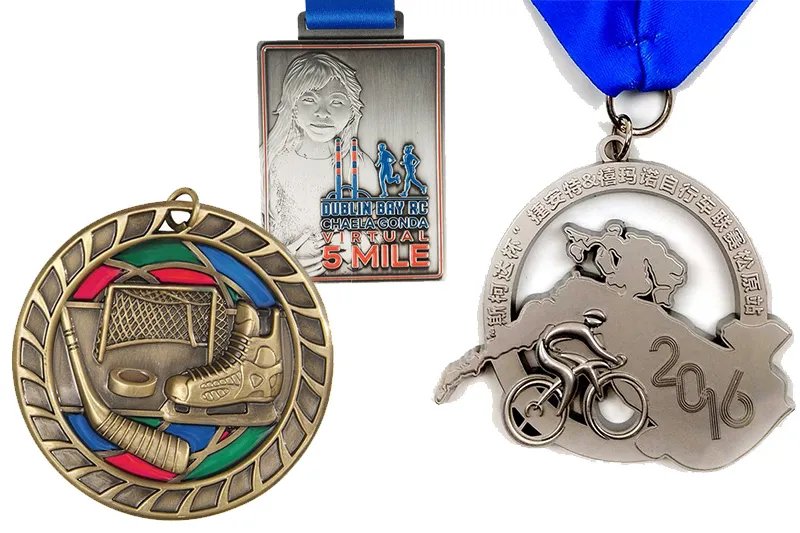
Sports Medals
Custom sports medals for tournaments, leagues, and athletic events of all levels.
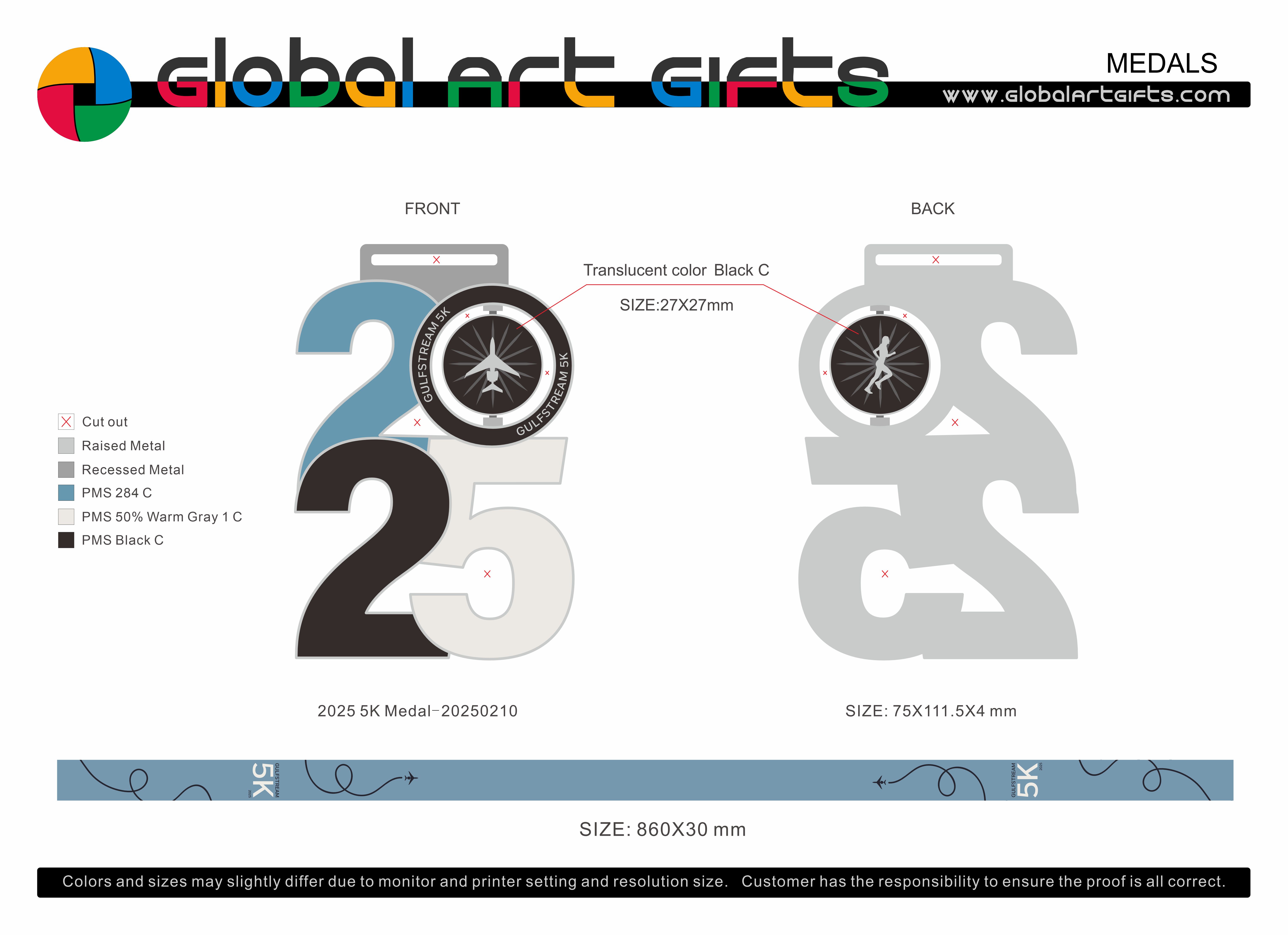
Race Medals
Custom race medals for marathons, 5K, 10K, triathlons, and running events.
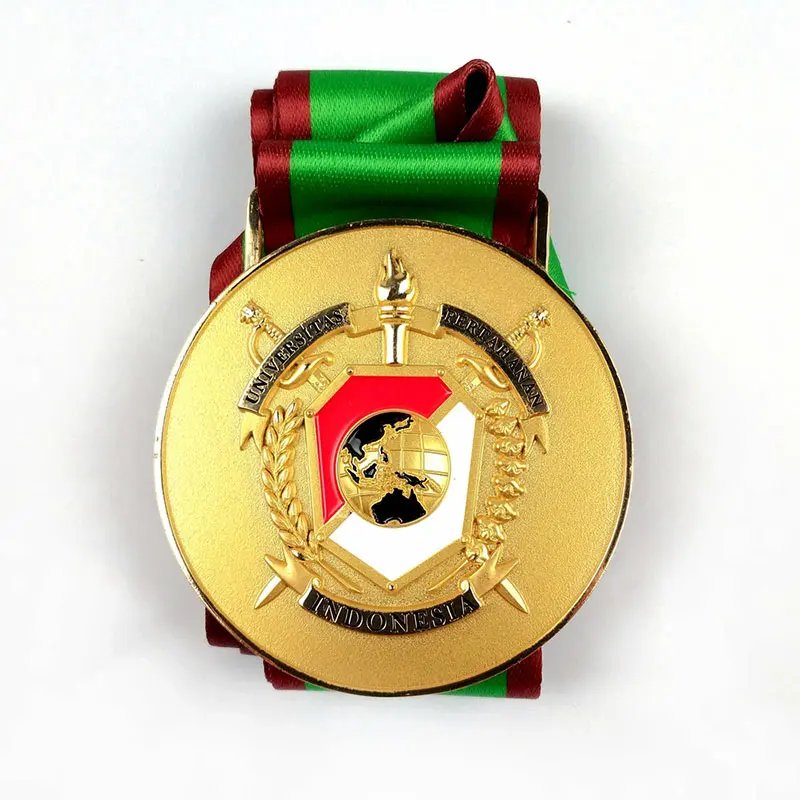
Enamel Medals
Soft enamel and hard enamel medals with vibrant colors and premium finish.
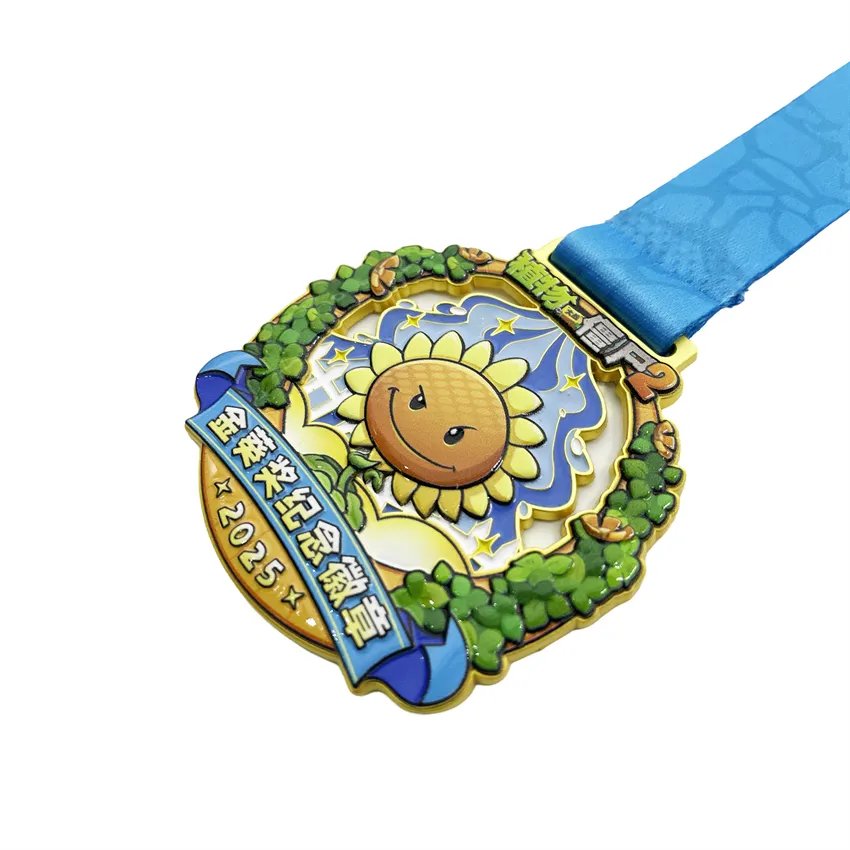
Kids Medals
Fun, colorful custom medals designed specifically for children's events.
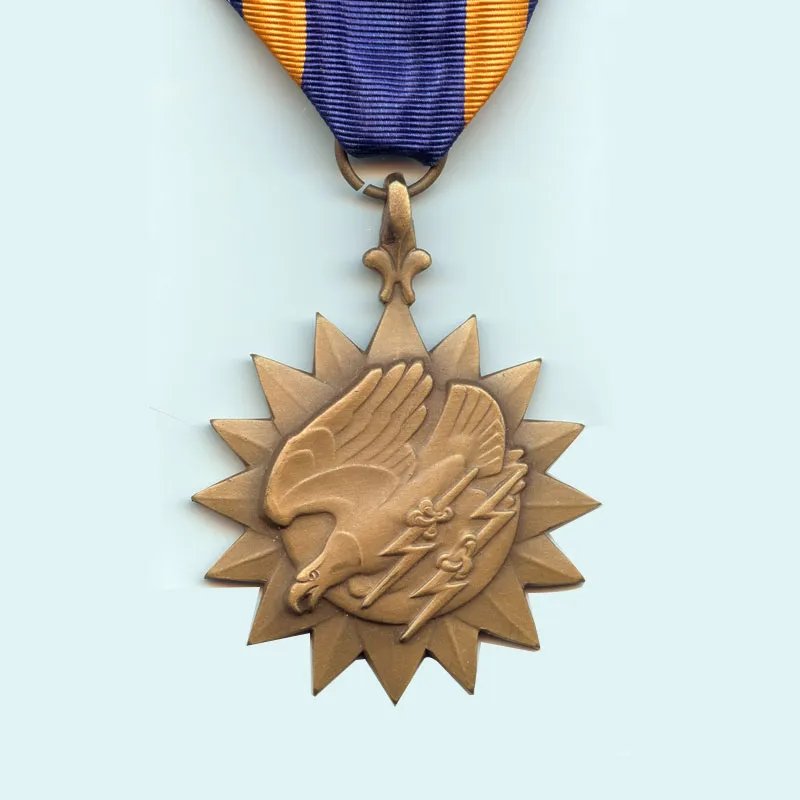
Military Medals
Custom military medals, challenge coins, and commemorative awards.
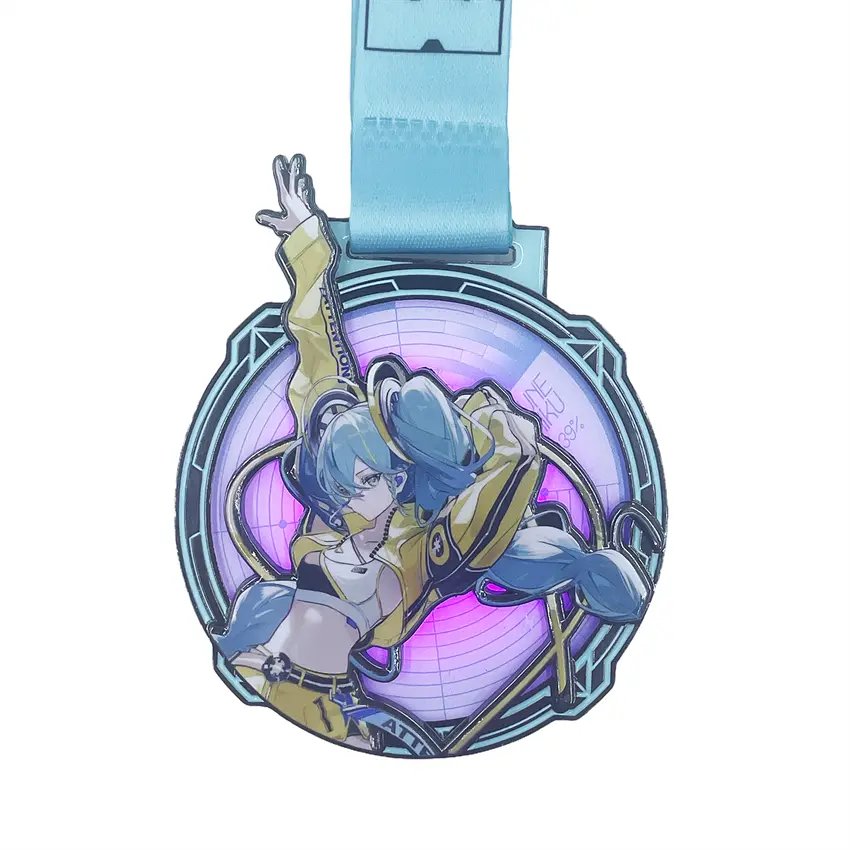
LED Medals
Light-up LED medals with electronic illumination for unforgettable events.
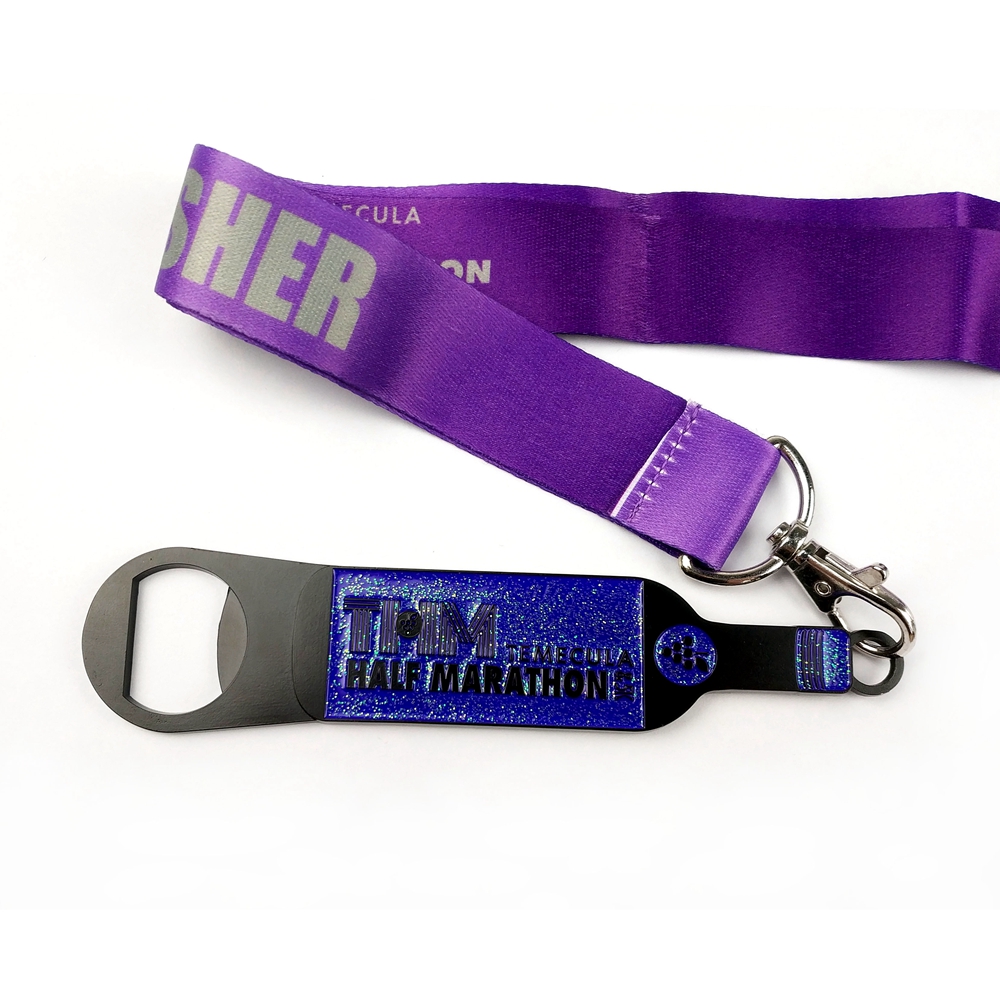
Bottle Opener Medals
Dual-function medals with built-in bottle openers — practical and memorable.
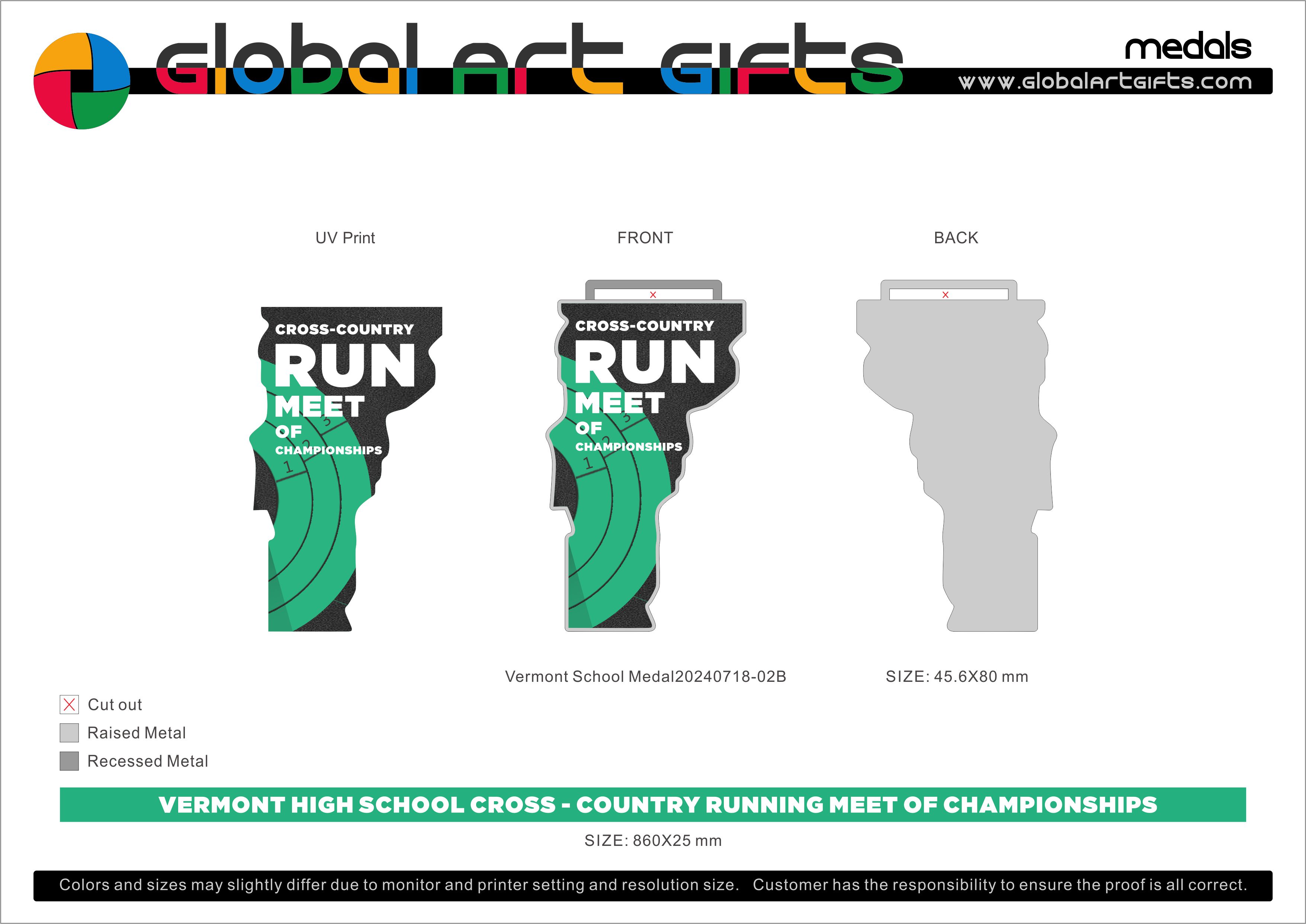
Graduation Medals
Custom graduation medals and academic achievement awards for schools.
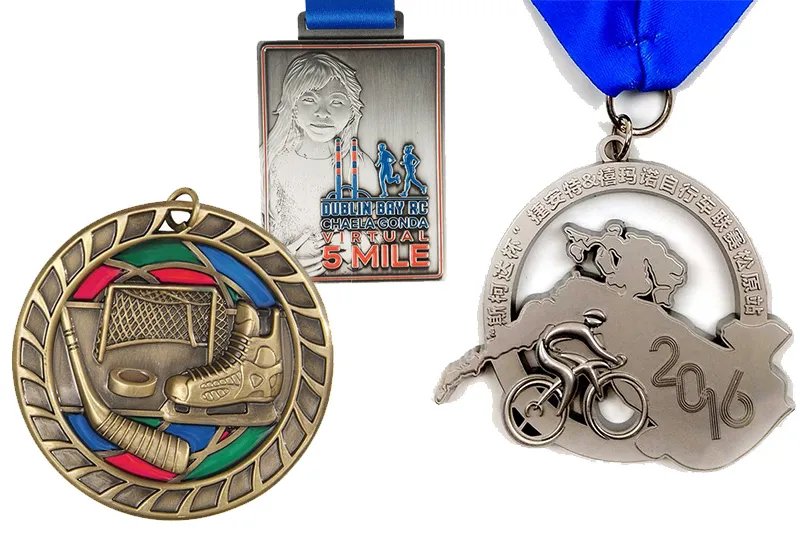
UIL Medals & Awards
Custom UIL medals, meet ribbons, pins and trophies for Texas school competitions.
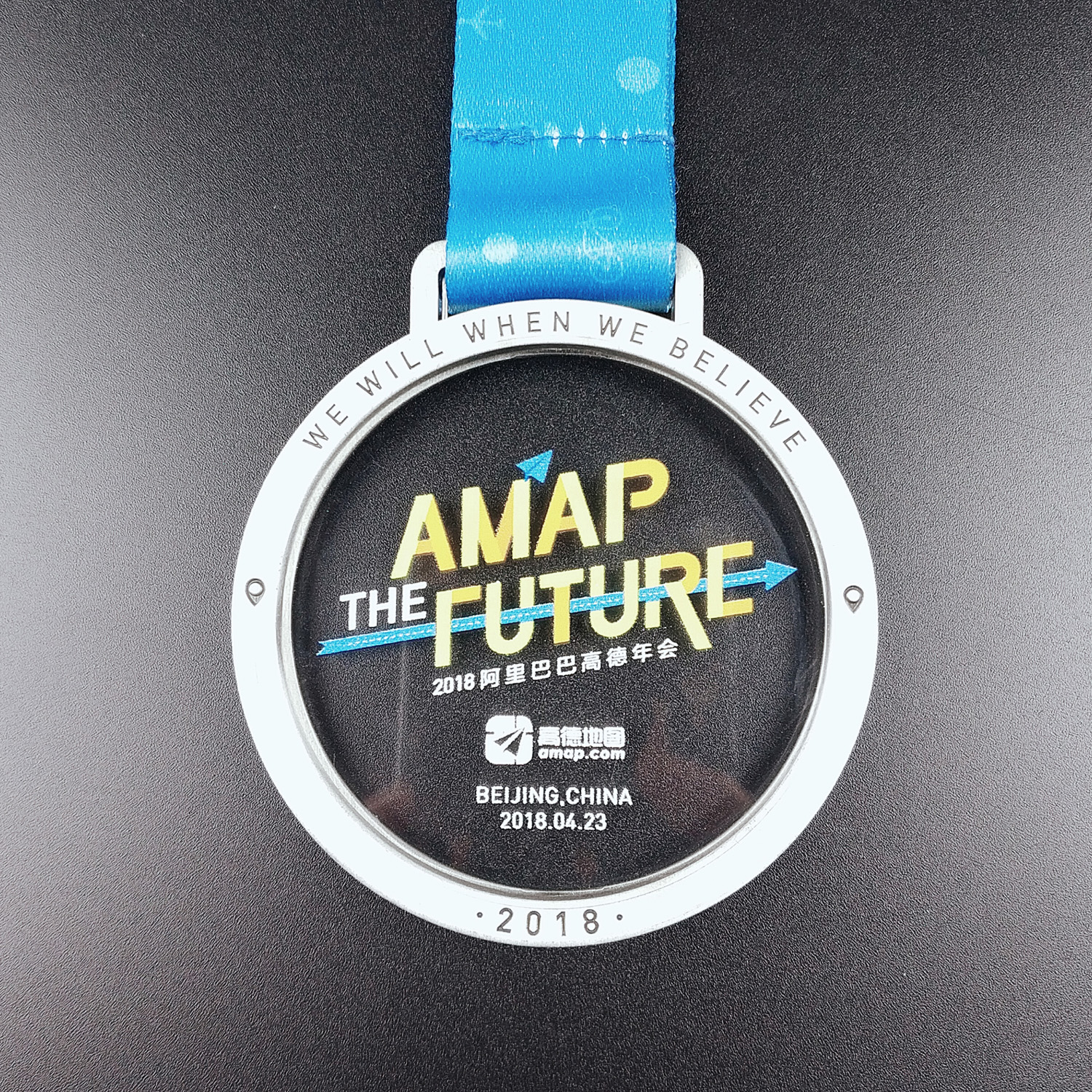
Acrylic Medals
Modern acrylic medals and awards with crystal-clear transparency.
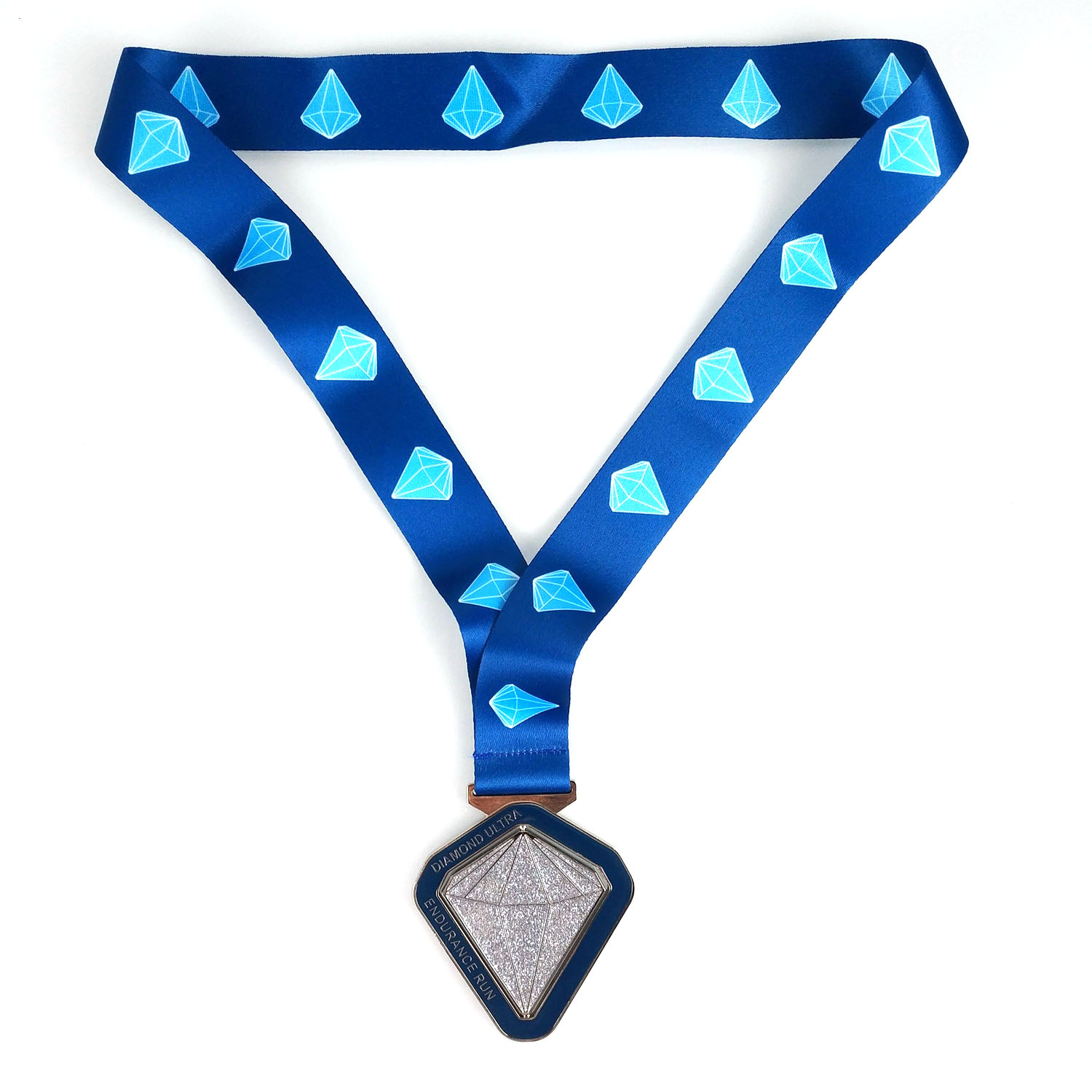
Spinning Medals
Interactive spinning medals with rotating center elements.
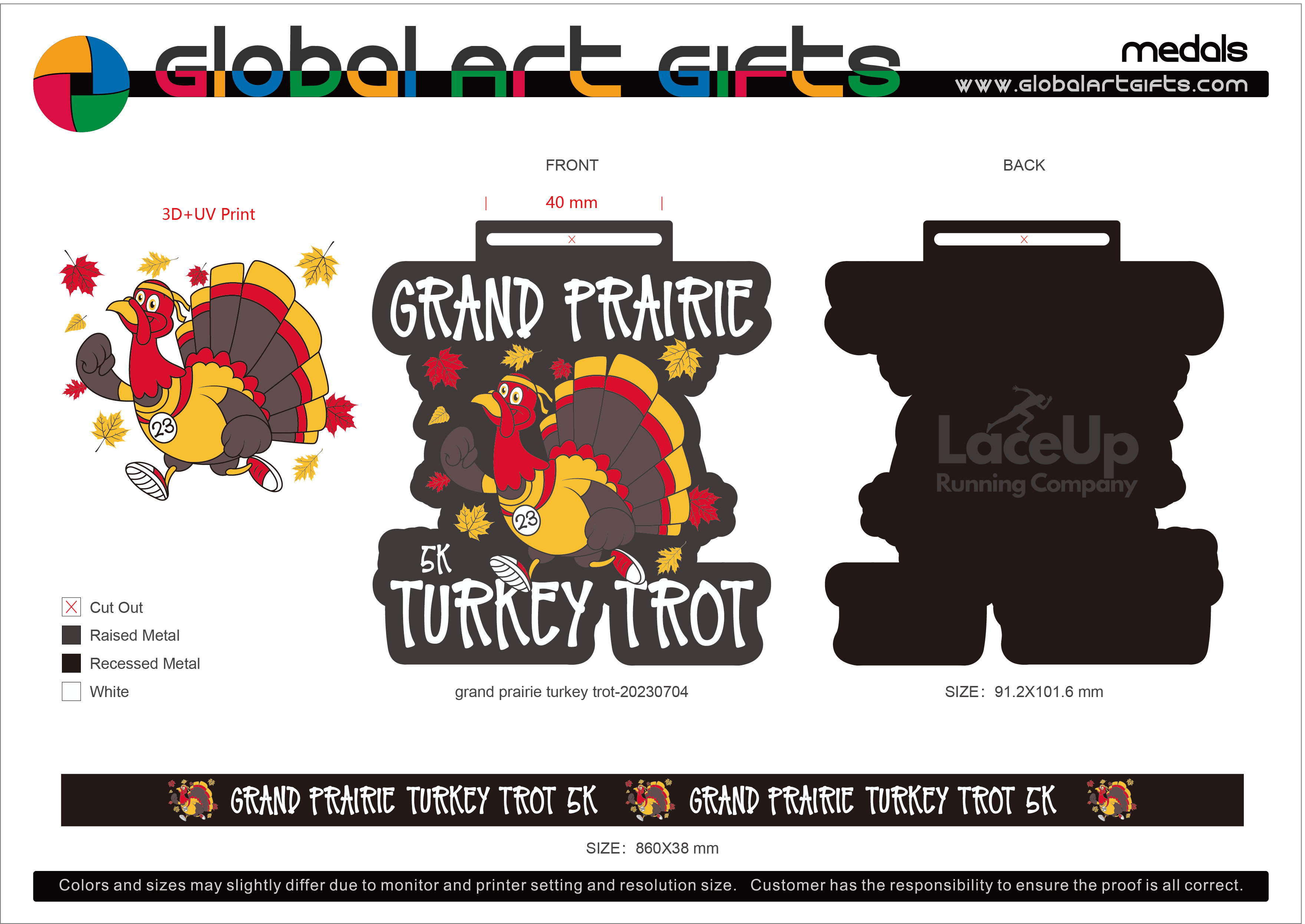
Event Medals
Custom medals for corporate events, festivals, and special occasions.
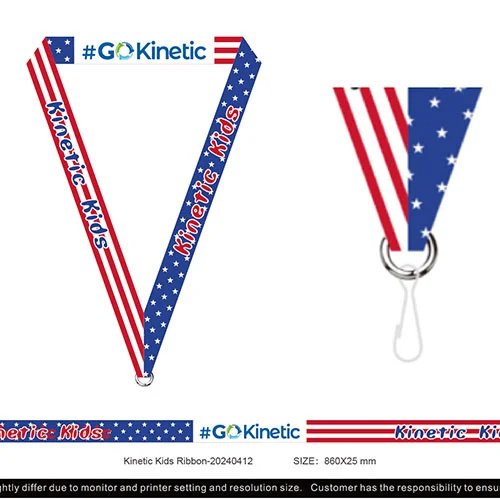
Medal Ribbons
Custom printed medal ribbons, lanyards, and neck bands.
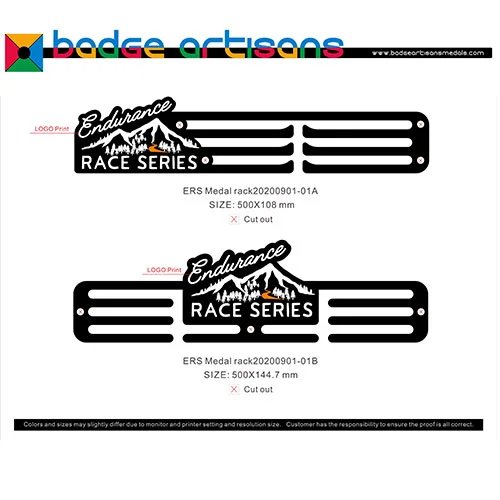
Medal Display Hangers
Custom medal display racks and hangers for showcasing achievements.
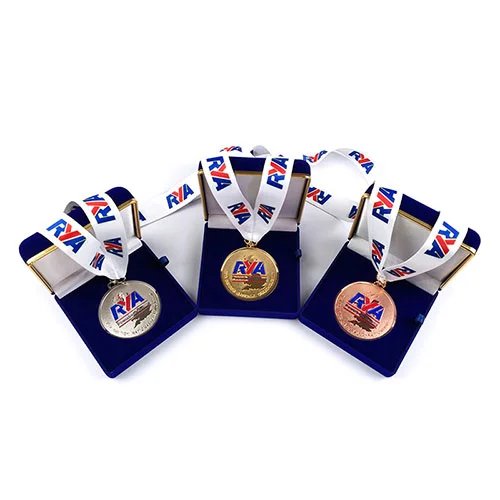
Medal Packaging
Custom medal boxes, velvet cases, and presentation packaging.