Custom Plaques & Award Shields — Engraved to Last
From retirement plaques to memorial shields, we manufacture custom plaques in our own factory: crystal, metal, acrylic and wood, with deep engraving or full-color UV printing. Send your text or logo and receive a free design proof in 24 hours. Production in 7-15 days, MOQ 50 pieces.
Product Samples
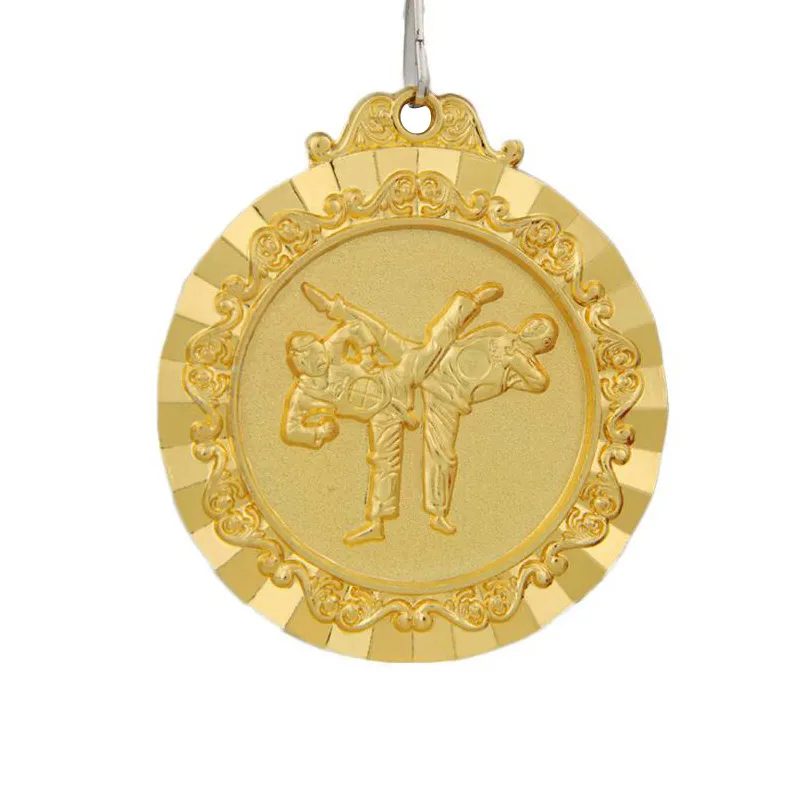
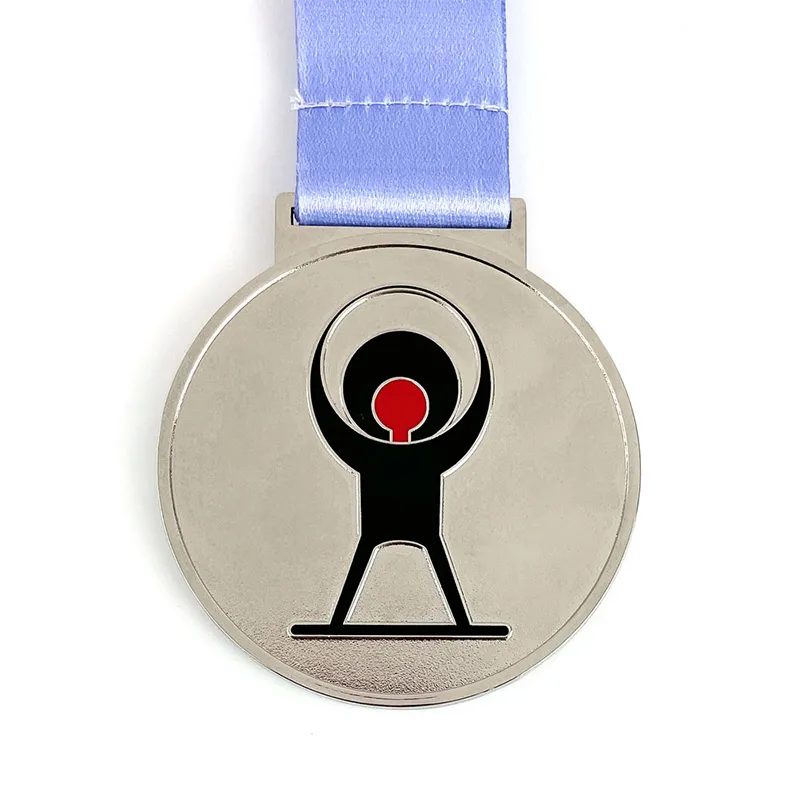
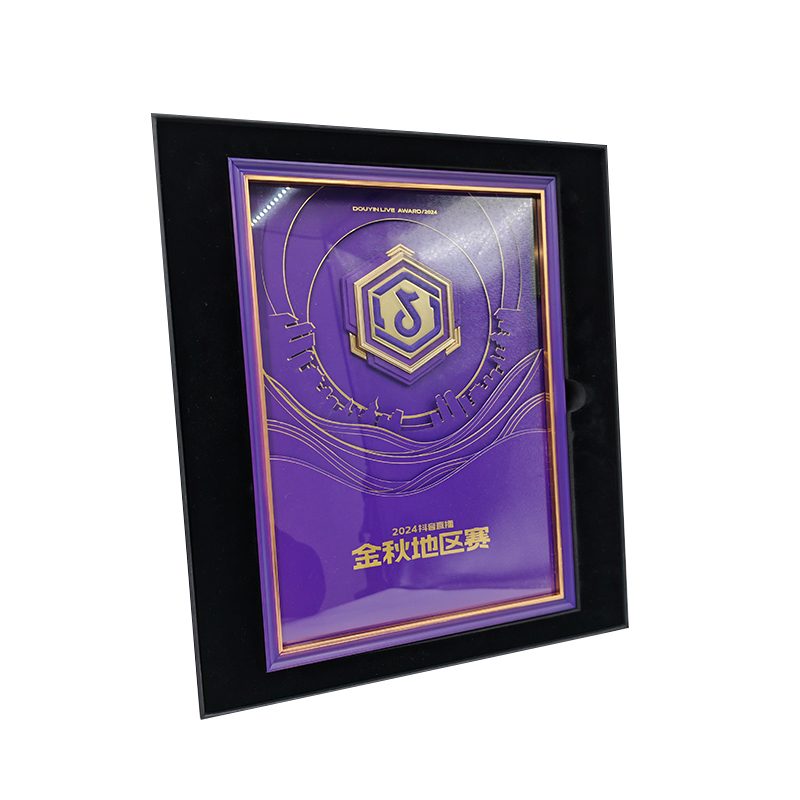
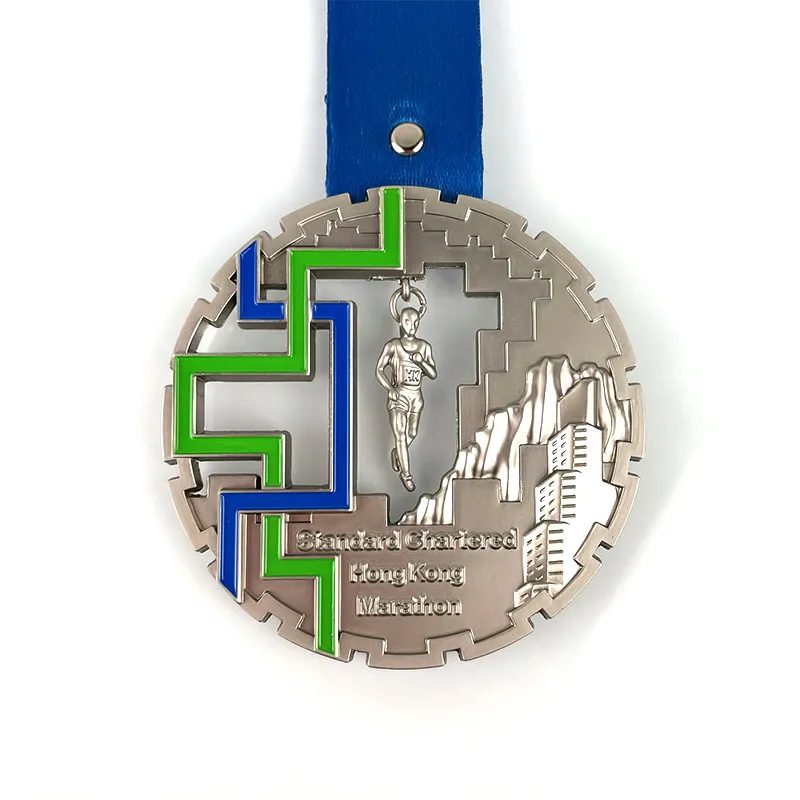
Custom plaque styles we manufacture
Crystal Plaques
Optical crystal and K9 glass with deep-etch or color-print for a premium corporate look.
Metal Plaques
Zinc, brass, or stainless plaques with raised lettering, etching, and enamel accents.
Acrylic Plaques
Laser-cut clear or colored acrylic with UV-printed graphics — lightweight and modern.
Wooden Plaques
Engraved or plate-mounted wooden shields for a classic, traditional presentation.
Award Shields (表彰盾)
Multi-tier metal shields with engraved name plates, ideal for annual recognition.
Commemorative Plaques
Memorial, retirement, and dedication plaques with custom text and imagery.
Plaque specifications & options
| Specification | Standard | Options |
|---|---|---|
| Material | Crystal, acrylic, metal, wood | K9 crystal, stainless, brass, walnut |
| Size | 15×20cm standard | Custom up to 60×90cm |
| Personalization | Laser engraving | Deep 3D etching, color UV print |
| Finish | Polished / brushed | Gold, silver, antique, mirror |
| MOQ | 50 pieces per design | Single custom pieces available |
| Production | 7-15 days after proof approval | Express available for events |
Crystal vs acrylic vs metal vs wood — which plaque material?
Each plaque material suits a different occasion and budget. Use this comparison to choose the right look for retirement, memorial, sports or corporate recognition.
| Material | Look & feel | Best for | Personalization | Placement |
|---|---|---|---|---|
| Crystal (K9 / optical) | Brilliant, glass-like, premium | Corporate awards, executive gifts | Deep 3D laser etching, full-color print | Indoor display |
| Acrylic | Modern, lightweight, color-flexible | Event and sports plaques, budget awards | Laser engraving plus UV printing | Indoor display |
| Metal (brass / stainless / zinc) | Formal, heavy, traditional | Retirement, memorial, dedication | Etched lettering, raised text, enamel fill | Indoor and coated outdoor |
| Wood (walnut / oak) | Warm, classic, natural | School, club, community, memorial | Engraved surface or mounted metal plate | Indoor (coated for outdoor) |
Where our custom plaques are used
Employee & retirement recognition
Years-of-service awards, farewell shields and long-service gifts with individually engraved names and dates.
Memorial & dedication
Durable, respectful plaques for memorial benches, trees, buildings and in-memory tributes.
Sports & tournament awards
Team shields, championship plaques and season-recognition pieces for clubs and leagues.
School & academic achievement
Graduation, honor-roll and faculty-recognition plaques for schools and universities.
Corporate milestones & anniversaries
Company anniversaries, openings and partnership commemorations with logos and dates.
Club & association honors
Lifetime-membership, presidency and service plaques for clubs and associations.
Die-cast, stamped or etched — choosing the right metal process
Material decides how a plaque looks; the forming process decides what it can actually hold. A cast emblem, a flat engraved panel and a full-colour printed face are three different production routes, and the artwork usually points to one of them.
| Process | How the plaque is formed | What it does best | Design limits to respect | Typical plaque use |
|---|---|---|---|---|
| Die-cast zinc alloy (Zamak 3 / 5 / 7) | Zinc melted at 385 C is injected into a mould-steel tool on an 88-tonne machine, so the logo, border and fixing bosses are cast in one piece | True 3D relief, cut-outs, sculpted emblems and cast-in mounting points | Minimum wall thickness 2 mm, minimum relief depth 0.4 mm, minimum line width 0.3 mm | Cast logo shields, emblem wall plaques, multi-piece recognition sets |
| Stamped brass or iron | Sheet metal is struck between a hardened die and a counter-die, cutting and forming the outline in one press stroke | Flat, crisp lettering with a dense, heavy feel — brass at 8.9 g/cm3 shows fewer sand holes than zinc | Brass is difficult to press above 3 mm and iron above 4 mm, and iron needs a protective finish because it rusts | Flat wall plaques, name plates, engraved dedication panels |
| Etched and engraved stainless or aluminium | Lines are cut or chemically recessed into flat sheet, then left bare to show the metal tone or filled with colour | Fine permanent lettering on a corrosion-resistant face; aluminium at 2.7 g/cm3 keeps a large panel light | Flat faces only — no raised relief, and the sheet gauge sets how deep the line can go | Large dedication panels, donor walls, outdoor markers |
| Enamel colour filling | Colour is dispensed into the recessed areas of the casting and baked, then polished flush for imitation hard enamel | Solid brand colour held below or level with the metal line | Soft enamel fills from 0.3 mm; imitation hard enamel and glass enamel from 0.5 mm | Colour logos, crests and emblem plaques |
| UV printing | Four-colour ink is laid down and cured on the spot, on flat faces and across relief of up to 7 mm in height difference | Gradients, photographs and full-colour artwork with no plate or screen fee | An ink film on the surface, slightly grainy when seen up close | Photographic plaques, full-colour programme artwork |
| Laser engraving | A beam cuts the mark into the finished surface, piece by piece | Variable data — a different name, date or serial number on every plaque in the same order | No gradient; the mark takes the tone of the material or of the colour filled into it | Per-piece personalisation, perpetual plaques, annual updates |
Most plaque programmes combine two of these: a die-cast zinc piece carries the logo and the relief, while laser engraving adds the name that changes from piece to piece. Compare the base metals in our award materials guide before you fix the process, and see how enamel-filled metal work looks when the same artwork runs on medals as well as plaques.
Plaque types compared by purpose
Where the plaque will hang, and whether the names on it will ever change, decide the format. Use this table to pick the type first, then the material and the mounting hardware follow from it.
| Plaque type | Where it is installed | Typical material | Personalisation | Reorder pattern |
|---|---|---|---|---|
| Wall plaque | Offices, corridors, lobbies and reception walls | Zinc alloy, brass, stainless steel, wood | Raised or etched logo with engraved names | The archived tool is reused each year for new recipients |
| Desk and shelf plaque | Desks, counters, cabinets and display shelves | Crystal, acrylic, wood, brass | Deep 3D etch or UV print on the front face | Reordered as sets for each award cycle |
| Memorial and bench plaque | Memorial benches, trees, gardens and graveside markers | Stainless steel, brass, aluminium | Engraved wording with dates and dedications | One-off pieces — the wording is proofed carefully before engraving |
| Building dedication plaque | Building entrances, cornerstones and opening ceremonies | Cast zinc alloy, bronze-tone brass, stainless steel | Cast logo with raised lettering | Made once; the drawing is archived so later panels match |
| Donor recognition panel | Donor walls in hospitals, schools, museums and foundations | Stainless steel, brass, aluminium, acrylic | Lists of names at fixed or tiered letter sizes | Panels are added or extended as the campaign grows |
| Perpetual plaque with name plates | Club rooms, league headquarters and annual award boards | Wood board with separate metal plates | A fresh engraved plate is added each season | The board is made once; only the plates reorder |
| Award shield | Presentation stages and trophy cabinets | Multi-tier zinc alloy with plating | Shield outline, cast emblem and engraved name plates | The same shield runs for years with new plates each season |
Programmes that add names every year are the ones that benefit most from a fixed format: the board or shield is made once, and only the engraved plates are reordered. If your record lives on a wall rather than on a shelf, read medals vs trophies vs plaques to check the format is the right one before you commission the artwork.
Explore related awards & guides
Engraving and personalization methods compared
Choosing the right marking method matters as much as choosing the material. Use this table to match your artwork — line text, a full-colour logo, or a different name on every piece — to the method that produces it best, and to see what it costs in tooling and durability.
| Method | Best surface | Colour & gradient | Registration & precision | Plate fee | Durability | Cost tier |
|---|---|---|---|---|---|---|
| Laser engraving | Metal, brass, stainless steel, wood, acrylic | No gradient — material tone or colour-filled | Digital, per-piece variable data (names, dates, serial numbers) | No plate fee | Permanent — the mark is cut into the material | $ |
| Deep 3D laser etch | K9 and optical crystal | No gradient — frosted white | Subsurface, depth set by the design | No plate fee | Permanent — sealed inside the crystal | $$ |
| UV printing | Flat and 3D surfaces up to 7 mm height difference | Full colour, gradients and photographs | Digital, no screens or plates | No plate fee | Cured ink on the surface, slightly grainy up close | $$ |
| Offset printing | Flat surfaces only | Full colour, gradients | High, needs plate making plus AP protection film | Plate fee applies | Ink film on the surface, protected by AP film | $$ |
| Silkscreen printing | Flat plaque faces | Spot colour, no gradient | Precise registration | Screen fee per colour | Opaque ink layer with strong outdoor hold on metal | $ |
| Pad printing | Curved and recessed surfaces | Spot colour, no gradient | Good on uneven surfaces | Low plate cost | Ink layer, moderate abrasion resistance | $ |
Cost tier is relative: $ is the most economical per piece, $$$ the most premium. If your programme needs a different name, date or serial number on every plaque, laser engraving is the only method that handles variable data piece by piece with no plate fee. If your artwork is a full-colour logo or photograph, UV printing is the method that reproduces gradients — engraving and etching are limited to tones already present in the material.
Plaque size, thickness, material and mounting hardware
Every plaque format needs a different thickness and a different way of fixing it to the wall or desk. Match your placement to the hardware below before you finalise the size.
| Format | Size | Material | Mounting hardware | Thickness |
|---|---|---|---|---|
| Desk / shelf plaque | 15 x 20 cm | Crystal, acrylic, wood, brass | Slotted display stand or easel back | Specified to material |
| Standard wall plaque | 15 x 20 cm and custom formats | Zinc alloy, brass, stainless steel, wood | Keyhole slots with screws, or concealed standoffs | Die-cast metal minimum wall thickness 2 mm |
| Die-cast metal award shield | Multi-tier shield, custom outline | Zinc alloy (6.7 g/cm3) with plating | Wall screws through cast bosses | Minimum wall thickness 2 mm, minimum relief depth 0.4 mm, minimum line width 0.3 mm |
| Large dedication / donor wall plaque | Up to 60 x 90 cm | Stainless steel, brass, aluminium (2.7 g/cm3), acrylic | Standoff bolts or heavy-duty concealed fixings | Specified to material |
| Perpetual plaque with name plates | Custom board with replaceable metal plates | Wood board with metal plates | Wall mounted with screws | Specified to material |
Die-cast metal plaques are produced on an 88-ton machine with zinc alloy melted at 385 C, which is what allows the 2 mm minimum wall thickness, 0.4 mm minimum relief depth and 0.3 mm minimum line width used for fine raised lettering and cast logos. Send us your wall surface and format and we will confirm the fixing kit with your quote.
Quantity, tooling and lead-time planning
Our route is the same at every quantity: quote in 24 hours, free design in 24 hours, sample in 7-10 days, sample approval, then mass production in 7-15 days followed by inspection and shipping. Here is how that maps to the quantities most recognition programmes order.
| Order quantity | Tooling & setup | Sample | Mass production | Planning notes |
|---|---|---|---|---|
| 100 pcs (MOQ per design) | One die-cast tool and setup; design files archived | 7-10 days | 7-15 days | MOQ 100 pcs per design; reorders need no new setup fee |
| 300 pcs | Same archived tool, no new setup | 7-10 days | 7-15 days | Same archived setup — reorder with no new setup fee |
| 500 pcs | Same archived tool, scheduled production slot | 7-10 days | 7-15 days | Fits the 3-4 week standard schedule plus 3-7 days air or sea freight |
| 1000 pcs | Same archived tool, reserved production slot | 7-10 days | 7-15 days | Book the slot early; express production can start from 7 days |
| 5000+ pcs | Multi-batch programme scheduling | 7-10 days | 7-15 days per batch | Scheduled in batches against 30,000+ pcs daily output |
A standard order runs about 3-4 weeks door to door. Express production can start from 7 days when your ceremony date is close, and air or sea freight adds 3-7 days. Because we archive your design files and production setup, an annual reorder runs on the same tooling with no new setup fee — which is why most plaque programmes plan a full year of recognition on one approved tool.
From enquiry to shipment — how a plaque order runs
Every order follows the same six steps. Knowing what happens at each one — and what needs your approval before the next can start — is what keeps a presentation date safe.
| Step | What happens | Timing |
|---|---|---|
| 1. Enquiry and quote | Send the wording, logo, quantity and presentation date. We confirm the material, process and mounting route and return a quote. | Quote within 24 hours |
| 2. Free design proof | Our own design team draws the plaque and returns a production drawing, with unlimited revisions. | First proof within 24 hours |
| 3. Tooling and pre-production sample | For die-cast designs the mould is cut from mould steel and heat treated, then a pre-production piece is made for approval. | 7-10 days |
| 4. Sample approval | Most orders are approved from multi-angle photo and video covering the casting, plating, colour filling and reverse. A physical piece can be couriered instead, with the freight at your cost and transit added in both directions. | Immediate once approved |
| 5. Mass production | The full run goes through casting or forming, de-gating, polishing, plating or painting, colour filling, printing, engraving and assembly. | 7-15 days |
| 6. Inspection, packing and shipping | Three-stage QC, then packing and dispatch with full customs documentation. | 3-7 days by air or sea freight |
Step four is where most schedules are won or lost. Photo and video confirmation clears the majority of orders the same day; asking for a physical piece adds courier transit in both directions, so it suits programmes with a formal compliance step rather than a tight ceremony date. Full shipping windows are set out in our lead-time and freight guide.
Quality control checkpoints on every plaque order
Inspection is staged, not saved for the end. Each stage looks for the faults that can only appear at that point in the process, which is what lets a batch be corrected instead of scrapped.
| Stage | What is checked | Why it matters |
|---|---|---|
| Incoming material and first article | Raw zinc alloy, brass and iron are checked before production starts, and the first piece off the tool is measured against the drawing for dimensions, thickness and relief depth | Catches a tooling or material problem before a full run is committed |
| In-process | Burrs left after trimming, surface flatness after polishing, plating colour and adhesion, and missing or overflowing colour in the filled areas | These faults only appear part-way through finishing, so they are caught while the batch can still be corrected |
| Final inspection | Every finished plaque is checked for surface scratches, and the mounting hardware, fixings and packing are checked against the order | The plaque has to arrive ready to hang, with the right fixings in the box |
The full casting, plating, colour-filling and assembly sequence behind these checkpoints is documented step by step in our manufacturing process guide.
Indoor vs outdoor placement and durability
Where the plaque will hang decides which material survives it. Outdoor and memorial installations need corrosion resistance and a sealed surface; crystal and acrylic belong indoors.
| Material | Character | Placement | Typical use |
|---|---|---|---|
| Stainless steel | Corrosion resistant, sleek modern look | Indoor and outdoor | Memorial markers, building dedications, donor walls |
| Brass (8.9 g/cm3) | Dense, traditional, takes mirror and antique finishes | Indoor; outdoor with protective coating | Retirement and dedication plaques |
| Zinc alloy (6.7 g/cm3) | Detailed die casting, takes plating and enamel fill | Indoor; outdoor with plating and oil sealing | Award shields, cast logos, multi-material plaques |
| Aluminium (2.7 g/cm3) | Lightweight and corrosion resistant | Indoor and outdoor | Large wall plaques and signage |
| Crystal (K9 / optical) | Brilliant, glass-like, impact sensitive | Indoor display only | Executive and corporate recognition awards |
| Acrylic | Lightweight, modern, colour-flexible | Indoor display only | Event and sports plaques, budget programmes |
| Wood (walnut / oak) | Warm, classic, natural | Indoor; coated for outdoor | School, club and community plaques |
Metal plaques are protected by a 9-step plating line — dewaxing, ultrasonic cleaning, alkaline copper, acid copper, colour plating, tunnel oven drying at 100 C for 40 minutes, oil sealing and unmounting — so outdoor pieces leave the line with a sealed surface. Where colour is filled, soft enamel works from 0.3 mm and imitation hard enamel or glass enamel from 0.5 mm, giving a flush, polished face that resists weather and handling.
Your plaque manufacturer since 2010
We are a factory, not a trading office. These are the numbers behind every plaque we ship.
| Founded | 2010 — 15+ years of award and medal manufacturing |
| Location | Huizhou and Dongguan, Guangdong, China |
| Daily output | 30,000+ pieces per day |
| MOQ | 100 pieces per design |
| Export reach | 50+ countries, shipped with full customs documentation |
| Certifications | ISO 9001 factory, BSCI and Sedex audited, Reach and RoHS compliant materials, TUV Rheinland, approved Disney supplier |
| Quality control | 3-stage QC with a 100% pass rate |
| Payment terms | T/T 30% + 70% for new customers; Net 30 / Net 60 for long-term partners |
| Packaging | PP/OPP bag, zip bag, velvet pouch, paper card, paper box, velvet box, acrylic box, blister box |
Plan your full award programme
Plaques are usually one part of a wider recognition programme. These guides cover the manufacturing, sizing, packaging and shipping decisions that come with them.
Artwork and file requirements for plaque orders
A complete first submission is the fastest way to a quote. Your artwork does not need to be tool-ready when you contact us — it needs to show the shape, size, wording and colour intent clearly enough for our design team to turn into a production drawing. Here is what to include.
| What to send | What we need from you | Why it matters |
|---|---|---|
| Source artwork | Vector file in AI, EPS or PDF, or a clear labelled sketch if the design is not finished yet | Vector paths stay editable, so we can check outlines and separate colour areas before any tooling is cut |
| Product views | Front, reverse and any separate component views, each labelled | A single view hides reverse text, mounting holes and the way the parts line up |
| Dimensions | Overall width and height, plus the intended thickness where your team has already decided it | Connects the drawing to the physical size we quote and to the tool we cut |
| Text content | Exact wording — names, dates, titles, serial numbers — plus a plain-text copy when fonts are converted to outlines | Converted text can no longer be spell-checked, so the plain-text copy is what we proof against |
| Colour specification | Pantone references, or a labelled colour map separating each colour area from exposed metal | Similar shades are hard to separate on screen; a Pantone reference gives both sides one standard |
| Relief and depth notes | Mark which elements are raised, recessed or 3D, and any cut-outs, holes or slots | Relief direction decides how the mould is cut and where the 0.4 mm minimum relief depth applies |
| Print versus metal marking | State which elements are printed and which are metal relief or colour fill | Print and enamel filling need different artwork preparation and different tooling |
| Mounting and fittings | Type, position and orientation of screws, standoffs, easel backs or display stands | Holes and cast bosses are built into the plaque — they cannot be added after plating |
If your file is not ready, send the logo, the recipient list and the size you have in mind and we will build the drawing for you — our own design team returns a free proof within 24 hours, with unlimited revisions. Fine detail is limited by the process, not by the drawing: raised relief holds from 0.4 mm, metal lines from 0.3 mm, and any colour area has to clear 0.3 mm for soft enamel or 0.5 mm for imitation hard enamel and glass enamel. For layout and lettering guidance before you submit, read our award artwork and layout guide and the design tips we publish from the production floor.
What drives the cost of a plaque order
A plaque quote is built from a fixed set of drivers. Knowing which ones move the unit price — and which are one-off costs you only pay once — is what lets you tier a programme instead of over-specifying every piece in it.
| Cost driver | How it moves the unit price | How to control it |
|---|---|---|
| Material and weight | Denser metal means more metal per piece: aluminium 2.7 g/cm3, zinc alloy 6.7 g/cm3, iron 7.8 g/cm3, brass 8.9 g/cm3 | Choose zinc alloy for detailed cast shields and aluminium where a large wall plaque needs to stay light |
| Size and thickness | A larger face and a thicker section use more metal and a longer casting cycle | Hold die-cast sections to the 2 mm minimum wall thickness unless the design genuinely needs more depth |
| Tooling | One die-cast tool per design, cut from mould steel and heat treated for hardness and wear resistance | Reorder on the archived tool — annual recognition programmes pay no new setup fee |
| Surface finish | Plating costs more than painting, and painting more than electrophoresis; plating runs a 9-step line ending in oil sealing | Use electrophoresis for antique tones, plating for mirror finishes and for outdoor pieces that need a sealed surface |
| Colour filling | Soft enamel fills from 0.3 mm, imitation hard enamel and glass enamel from 0.5 mm, and imitation hard enamel adds a polishing step | Keep colour areas large and few — detail finer than 0.3 mm cannot be filled at all |
| Printing | Offset and silkscreen carry plate or screen fees; UV printing needs no plate and prints on surfaces with up to 7 mm height difference | Use UV printing for full-colour logos and photographs; reserve silkscreen for flat spot-colour work that must register precisely |
| Personalisation | Variable-data laser engraving needs no plate fee, while per-piece name plates are separate parts | Send the recipient list as a spreadsheet and lock it early — late name changes cost more than a material upgrade |
| Packaging | PP or OPP bag, zip bag, velvet pouch, paper card, paper box, velvet box, acrylic box or blister box | Match the pack to the handover: bulk packing for one ceremony, gift boxes for pieces shipped to recipients |
| Freight and duties | Air or sea freight adds 3-7 days and is quoted on weight and volume | Consolidate the programme into one shipment and book the production slot early |
Tooling is the one cost you pay once. Because we archive your design files and production setup, an annual reorder runs on the same tool with no new setup fee — which is why most recognition programmes are quoted as tiers: a standard plaque for the whole group, a better material for senior contributors, and one signature piece for the top honour. See how custom award prices are built for the full breakdown, and the plating and finishing sequence behind the surface-finish line above.
Care, cleaning and long-term maintenance
A plaque is meant to stay on the wall for years. The right cleaning routine depends on the surface — plated metal, colour-filled recesses and printed faces each need different handling.
| Surface | Routine cleaning | What to avoid |
|---|---|---|
| Plated metal — gold, silver, antique | Dust with a soft dry cloth; wipe with a barely damp cloth and dry straight away | No abrasive pads and no solvent cleaners — they strip the sealing oil applied after plating |
| Imitation hard enamel and glass enamel | Wipe with a soft cloth; the polished face sits flush with the metal lines | Do not scrape the filled areas — the colour is held in the recess, not printed on top |
| Soft enamel | Dust the recessed lines with a soft brush | Avoid prolonged soaking, since the colour sits below the metal line |
| UV-printed and offset-printed faces | Wipe gently with a soft cloth | Do not use solvents on the ink film — the printed colour is cured on the surface |
| Stainless steel and aluminium outdoors | Rinse with clean water and dry with a soft cloth | Check the fixings once a year; corrosion resistance depends on an unbroken surface |
| Crystal (K9 / optical) | Indoor display only; handle with clean hands and dust with a soft cloth | Do not stack pieces or knock the edges — crystal is impact sensitive |
| Acrylic | Indoor display only; clean with a soft damp cloth | Never wipe with a dry abrasive cloth, which leaves fine scratches on the polished face |
| Wood (walnut / oak) | Dust along the grain and recoat outdoor pieces when the coating dulls | Keep away from direct heat and standing water |
Outdoor pieces leave our line sealed: the plating sequence ends with oil sealing on gold and copper tones to slow oxidation, and stainless steel and aluminium resist corrosion without it. Compare the finishes in our plating finishes comparison, check how soft and hard enamel differ before you specify a colour-filled plaque, and confirm the display hardware for wall and desk mounting that suits the surface it will hang on.
Common plaque defects, their causes and how they are prevented
Metal casting, plating and baking each have their own failure modes. Below is what goes wrong, what causes it, and the control we build into the process so it does not reach your wall.
| Defect | What causes it | How it is prevented |
|---|---|---|
| Cracks in the casting | Too few ejector pins, or pins distributed unevenly so the ejection force is not balanced | A balanced ejector layout agreed at mould-design review, before the tool is cut |
| Flow lines and water marks | Mould surface not polished enough, insufficient injection pressure, or the machine running too fast at start-up | Polished tooling, verified shot pressure and a controlled start-up routine |
| Air holes and porosity | Poor venting in the mould | Venting channels designed into the tool and checked on the first shots |
| Sharp corners not fully formed | Insufficient injection pressure | Pressure monitoring, with the shot corrected before the run continues |
| Plating bubbles | Parts not cleaned thoroughly before plating, or moisture trapped under the sealing oil | Ultrasonic cleaning inside the plating line and tunnel-oven drying before oil sealing |
| Plating streaks | Plating solution not agitated enough, or too much organic contamination in the bath | Bath agitation with regular bath control |
| Impurities in the colour fill | Spray-booth cleanliness | A controlled spray booth with filtered air |
| Bubbling or pinholes in the paint film | Residue left on the part before baking, water in the compressed air, or the wrong thinner | Pre-bake cleaning, dry filtered air and two-stage baking — 60-70 C for 60-90 minutes to semi-cure, then 100 C for 60 minutes to cure fully |
Most of these are decided before the first piece is made — venting, ejector layout and pressure are engineered into the tool, and cleaning and bath control are built into the plating line. If you are reviewing a shipment yourself, our guide to spotting quality issues shows what to look for and how to photograph it.
Plan the rest of your recognition programme
Plaques usually sit alongside medals, pins and trophies built from the same artwork and the same Pantone set. These pages cover the decisions that come next.
Plaque size, viewing distance and how large the lettering should be
A plaque is sized twice: once by the wall it hangs on, and once by the distance it has to be read from. Lettering that looks generous on a desk is invisible from a corridor, and relief that reads beautifully up close disappears when the sun is low. Use the ratios below to fix the size before the wording.
| Where the plaque is read from | Plaque size | Name line — cap height | Body line — cap height | What to watch at this distance |
|---|---|---|---|---|
| Desk, counter or shelf — read from 0.5-1 m | 15 x 20 cm and smaller | Cap height 8-10% of the plaque height | Cap height 4-5% of the plaque height | Close range is where fine detail pays off: the 0.4 mm minimum relief depth and 0.3 mm minimum line width are read easily at arm's length |
| Office wall or corridor — read from 1-3 m | 20 x 25 cm to 30 x 40 cm | Cap height 6-8% of the plaque height | Cap height 3-4% of the plaque height | The recipient line has to stay the largest element on the face, or the plaque reads as a logo panel from the doorway |
| Lobby or reception wall — read from 3-6 m | 30 x 40 cm to 45 x 60 cm | Cap height 5-6% of the plaque height | Cap height 2.5-3% of the plaque height | Cut the word count rather than the type — these walls are read in passing, not studied |
| Building entrance or dedication wall — 6 m and beyond | 45 x 60 cm up to 60 x 90 cm | Cap height 4-5% of the plaque height | Cap height 2-2.5% of the plaque height | Tier the lettering: organisation, then dedication, then names. Relief shallower than 0.4 mm stops registering at this range |
| Outdoor memorial or bench marker — read from 0.5-2 m | 15 x 20 cm to 30 x 40 cm | Cap height 7-9% of the plaque height | Cap height 3.5-4.5% of the plaque height | Depth matters more than size outdoors, because low sun flattens shallow relief and the wording disappears |
Cap height is the height of a capital letter, measured as a share of the plaque's own height — so a 20 cm tall plaque read from a desk carries a name line of roughly 16-20 mm, while a 60 cm dedication panel read from across a lobby carries one of roughly 24-36 mm. The two limits that decide whether the design survives the distance are the casting limits: raised relief holds from a 0.4 mm minimum depth and metal lines from a 0.3 mm minimum width, and anything finer than that is printed rather than cast. If a design is already close to those limits at 15 × 20 cm, enlarging it is cheaper than reworking it — see our size and thickness guide for the sizes most programmes settle on, and the artwork and layout guide for the lettering rules behind them.
Mounting methods and wall surfaces — which fixing suits which wall
The wall decides the fixing, not the plaque. A fixing that is invisible on a boardroom wall will pull out of plasterboard, and a drilled fixing is not an option on glass or on a listed stone facade. Name the wall surface when you enquire and the matching kit is quoted and packed with the order.
| Fixing | Wall surface it suits | Load class | Removable | Best for |
|---|---|---|---|---|
| Keyhole slots with screws | Plasterboard with anchors, brick, blockwork, timber panelling | Light to medium plaques | Yes — unscrew and lift the piece off | Standard wall plaques, office and corridor recognition walls |
| Concealed standoff bolts | Masonry, concrete, rendered and tiled walls | Medium to heavy, holds the panel off the wall | Yes — the wall plugs stay in place and the caps unscrew | Large dedication panels, donor walls, reception feature walls |
| Blind studs or cast bosses on the reverse | Solid masonry, stone and brick | Medium — die-cast metal shields | Semi-permanent; the fixing is part of the casting | Cast zinc alloy shields where the mounting point is cast into the back |
| High-bond double-sided tape | Glass, painted metal, smooth laminate and finished joinery | Light only — crystal, acrylic and small metal plates | Yes, but the bond is not reuseable | Smooth indoor surfaces where drilling is not permitted |
| Slotted display stand or easel back | Desks, counters, shelves and cabinets — not a wall surface | Desk pieces only | Yes — the piece lifts straight out | Crystal, acrylic and wood desk plaques |
| Post or pedestal mount | Lawns, garden beds and memorial plots | Ground-standing pieces | Yes — unbolted from the base | Outdoor memorial markers and tree dedications |
Two of these are decided at the tooling stage rather than at packing: keyhole slots and blind studs have to be cast into the plaque, so they are fixed in the drawing before the tool is cut and cannot be added after plating. Standoff bolts are the exception — they are drilled to suit the site and can be changed later, which is why large donor panels and dedication walls are usually specified with them. Tape fixing suits smooth indoor surfaces where drilling is not permitted, but it is a light-duty option and the bond is not reuseable once lifted. More on wall and desk options is in our display hardware range, and the formats each fixing pairs with are listed in our display types guide.
Inscription layout rules — hierarchy, spacing and characters per line
Most plaque wording fails on hierarchy, not on spelling: five lines set at the same size read as a block of text with no entry point. Give the face one dominant tier and let everything else step down from it, then check the character counts before the drawing is approved.
| Text tier | What it carries | Size relative to the face | Position | Characters per line |
|---|---|---|---|---|
| Tier 1 — recipient name | The person, team or organisation being honoured | Largest element on the face: about 6-10% of the plaque height | Centred, above the award title | About 22-26 characters on a 20 cm wide face — abbreviate or split to two lines beyond that |
| Tier 2 — award title | Employee of the Year, 25 Years of Service, Championship 2026 | About 60-70% of the name size | Directly under the recipient name | About 30-36 characters on a 20 cm wide face |
| Tier 3 — organisation or logo | Company, school, club or regimental identity | Logo is sized to the border, not to the text block | Above the name, or set into a top corner | No character limit — vector artwork scales cleanly to any size |
| Tier 4 — date and year | Presentation date, or the span of service being marked | About 40-50% of the name size | Bottom of the face, below the award title | Pick one format for the whole programme — 2026 or 12 March 2026, never both |
| Tier 5 — dedication or citation line | Memorial wording, donor message, a short citation | About 30-40% of the name size, letter-spaced to separate it | Bottom edge, set clear of the date line | About 45-55 characters on a 20 cm wide face — this is the line that runs out of room first |
| Margin and clear space | The border and the gaps between tiers | Keep at least one name-height of clear space inside the border | All round the face | Reduce the wording before reducing the margin — crowding is the layout fault we see most often |
The character counts assume a 20 cm wide face in a regular-weight serif or sans-serif; scale them with the width, and remember that a name is never the line to compress — split it to two lines or abbreviate the title instead. Send the wording as plain text alongside the vector file, because converted outlines can no longer be spell-checked and a name is the one thing a recipient notices. Where every plaque in the order carries a different name, the tier structure has to be fixed at proof stage and only the name field varies, which is exactly how variable-data laser engraving is set up. Full artwork rules are in the award artwork and layout guide.
Outdoor weathering — material, surface finish and upkeep
Outdoor performance comes from the finish, not from a number on a spec sheet. Rather than quote a service life in years — which depends on the site far more than on the plaque — we specify the material and the surface route together for the position you describe, and tell you what the upkeep is.
| Material | Surface route | What the finish does | Where it is specified | Upkeep |
|---|---|---|---|---|
| Die-cast zinc alloy | Plating through the 9-step line, ending in oil sealing after tunnel-oven drying at 100 C for 40 minutes | A sealed metal face over cast relief; the seal is what slows oxidation on gold and copper tones | Sheltered outdoor walls, entrance features, cast emblem shields | Rinse with clean water and dry with a soft cloth; never use abrasive pads, which break the seal |
| Stainless steel | Left bare, or etched with the recesses colour-filled | Corrosion resistant in its own right, so there is no film to wear off | Exposed walls, memorial markers, coastal sites | Rinse with clean water and dry; check the fixings once a year |
| Aluminium (2.7 g/cm3) | Anodised, etched or painted | Lightweight and corrosion resistant, which is why large panels are specified in it rather than in a denser metal | Large dedication and donor walls | Rinse and dry; recoat if a painted film chalks |
| Brass (8.9 g/cm3) | Plated to a mirror or antique tone, then sealed | Dense and traditional, and it holds engraved lettering with a clean edge | Entrance plaques and formal dedication panels | Dust with a soft dry cloth; solvent cleaners strip the sealing oil |
| Painted metal | Two-stage baking — 60-70 C for 60-90 minutes to semi-cure, then 100 C for 60 minutes to cure fully | A paint film over the casting, in any Pantone reference | Colour-matched architectural and wayfinding plaques | Wipe gently; a scratched film should be touched up, not polished |
| Electrophoresis finish | Electrophoretic coating laid over the metal | An even film in antique tones, used where a full plating run would be over-specified | Decorative cast plaques and interior architectural panels | Wipe with a soft cloth; avoid solvents |
| Acrylic | UV-printed or laser engraved | Category characteristics only: lightweight and colour-flexible, specified for indoor display | Indoor display — we do not recommend it for exposed outdoor walls | Clean with a soft damp cloth; never dry-wipe, which scratches the polished face |
| Wood (walnut / oak) | Engraved surface or a mounted metal plate, coated for outdoor use | Category characteristics only: warm and traditional, and the coating has to be renewed | Sheltered outdoor positions | Recoat when the coating dulls; keep away from standing water and direct heat |
The metals we cast and finish in-house are zinc alloy, brass, iron and aluminium, and the numbers behind those routes are documented above and in our manufacturing process guide. Crystal, acrylic and wood are supplied as categories and we specify them to the format rather than to a published process figure — in practice acrylic and crystal are indoor materials, and wood needs its coating renewed. Whatever the material, outdoor life is extended more by the fixing than by the finish: check the anchors once a year, because a plaque that works loose lets water behind the face. Finish choices are compared side by side in our plating finishes comparison, and base metals in the award materials guide.
Changing names and dates on a repeat plaque order
A recognition programme rarely runs the same wording twice. The question is how much of the plaque has to change — the name, the year, or the whole design — because each of those is a different production route with a different cost attached.
| Update route | What stays the same | What changes | Cost and timing | Best for |
|---|---|---|---|---|
| Variable-data laser engraving | The tool, layout, material and finish stay exactly as approved | The name, date or serial number changes piece by piece | No plate fee; engraved inside the normal 7-15 day production run | Annual awards where the recipients change but the format does not |
| Reorder on the archived tool | Archived design files and production setup, so no new setup fee applies | Wording, year and recipient list — the tool itself is untouched | Sample in 7-10 days, mass production in 7-15 days | Programmes that rerun the same plaque every year |
| Separate engraved name plates | The board or shield is made once and stays on the wall | A fresh engraved plate is added or swapped each season | Plates are separate parts, priced as parts and reordered on their own | Perpetual plaques, club boards and league shields |
| Insert or slip-in name strips | The frame, holder or directory panel | The strip is replaced as the list grows | New strips only — no rework of the main piece | Donor walls and directories that are extended over time |
| Re-engraving or re-facing a piece you already have | The plaque already installed on your wall | The old wording is cut back and re-cut, or a new plate is fitted over it | Quoted case by case once we have seen photos of the piece | One-off corrections and updates to an installed plaque |
| Full redesign | Nothing — a new tool is cut from mould steel | Material, size, layout and finish | New tooling; sample in 7-10 days then production in 7-15 days | Rebrands and anniversary programmes that change the identity |
The first two routes are the ones annual programmes use, and they are the reason the tooling is worth doing properly once: the archived tool and design files mean a reorder carries no new setup fee, and variable-data laser engraving carries no plate fee, so a new year's worth of names costs the unit price plus the engraving. Send the recipient list as a spreadsheet and lock it early — late name changes are the single most expensive revision in a plaque programme. Where names are added every season rather than replaced, a perpetual board with separate plates is the cheaper structure long term, and volume ordering covers how a programme that also issues medals is scheduled.
Plaque, trophy or medal — choosing the format for one recognition budget
The three formats answer different questions. A medal is given at the event, a trophy marks a rank, and a plaque keeps the record. Most programmes that work well spend on two of them rather than over-spending on one.
| Format | What it does best | Where it ends up | Personalisation | Reorder pattern | Choose it when |
|---|---|---|---|---|---|
| Plaque | Holds a name, a date and a longer citation, and keeps the record visible | Wall, door, reception and memorial positions | Laser-engraved names, dates, titles and citation lines | The archived tool is reused every year; only the wording changes | The recognition should stay where people pass it every day |
| Trophy | Occupies shelf and stage space and reads as a rank | Cabinets, stages and presentation tables | Engraved plate or printed panel on the base | Reordered per category and per season | One winner or one team has to be visibly ranked above the rest |
| Medal | Is worn or held at the moment of the win | Around the neck, on a ribbon, or in a display case | Die-cast relief, enamel colour fill and printed ribbons | Ordered per event, sized to the finisher or attendee count | Every participant receives something at the event itself |
| Plaque plus medal set | The medal is handed over on the day; the plaque records it for the year | Both — the event and the office wall | One artwork and one Pantone set shared across both pieces | One approved artwork, two production runs in one shipment | Corporate programmes that present on the day and record for the year |
| Plaque plus pin set | The plaque records the service; the pin is worn daily | Wall and lapel | The same emblem run as a metal plaque and as an enamel pin | One approved artwork, two production runs in one shipment | Service recognition where the emblem is worn as well as displayed |
Running two formats from one artwork is the cheapest way to make a programme feel larger: the emblem, the Pantone set and the lettering are approved once, and the same drawing feeds the die-cast medal and the plaque, so there is one tooling conversation instead of two. The full argument is set out in medals vs trophies vs plaques, and our medal and pin sets guide shows how the emblem carries across to something worn. Tell us the ceremony date and the headcount and we will quote the split.
Related reading for plaque specifications and procurement
Plaque orders usually run alongside medals, ribbons and packaging from the same artwork and the same production window. These pages cover the companion decisions.
Custom plaques — frequently asked questions
What is the minimum order for custom plaques?
Our MOQ is 50 pieces per design. For one-off retirement or memorial plaques, we also accept single custom pieces with a setup fee.
Can you engrave names and dates individually?
Yes. We offer variable-data laser engraving for per-piece names, dates, and messages — ideal for annual award ceremonies and team recognition.
What material should I choose for an outdoor plaque?
Stainless steel or brass with a protective coating is best for outdoor and memorial use. Crystal and acrylic are suited to indoor display.
Do you provide wall-mount hardware?
Yes, every plaque includes the appropriate wall-mount hardware or display stand, and we can package in presentation boxes.
Can you reproduce a plaque you made for us before?
Yes. We archive your design files and production setup, so a reorder uses the same layout, lettering and finish with no new setup fee and consistent batch-to-batch results — ideal for annual award programs and matching sets.
What are your lead times and how do you ship?
Design proof within 24 hours, sample in 7-10 days, and bulk production in 7-15 days. A standard order runs about 3-4 weeks; express production can start in as little as 7 days, plus 3-7 days by air or sea freight. We ship to 50+ countries with full customs documentation included.
Are your plaques and factory certified?
Our factory is ISO 9001 certified and audited to BSCI and Sedex social-compliance standards. Materials are Reach and RoHS compliant, and we are an approved Disney supplier — so plaques are safe for corporate, school and public recognition programs.
How do I start?
Send your text, logo, and quantity through our contact page. We respond within 24 hours with a free design proof and quote.
How thick should a custom plaque be?
For die-cast metal plaques we work to a minimum wall thickness of 2 mm, with a minimum relief depth of 0.4 mm and a minimum line width of 0.3 mm so fine lettering stays sharp. Crystal, acrylic and wood thickness is specified to the format you choose — send us the size and we will confirm the specification together with the matching mounting hardware.
What mounting hardware do you supply with wall plaques?
Each plaque ships with the mounting kit that suits its format: display stands or easel backs for desk pieces, keyhole slots with screws for standard wall plaques, and standoff bolts or concealed fixings for large dedication and donor-wall panels. Tell us the wall surface when you order and we will match the fixings.
Can every plaque in one order carry a different name?
Yes. Variable-data laser engraving lets us change the name, date or serial number on each individual piece inside the same order. Send us a spreadsheet and we will typeset, proof and engrave it — no plate fee and no minimum run per name.
What payment terms do you offer for plaque orders?
New customers work on T/T with a 30% deposit and 70% balance before shipment. Long-term partners can apply for Net 30 or Net 60 terms, which suits annual recognition programmes that reorder every year.
What file format should I send for my plaque artwork?
Send vector artwork in AI, EPS or PDF wherever you have it, with fonts converted to outlines plus a plain-text copy of every name, date and title so we can proof the wording. Add the overall width and height, a Pantone reference for each colour area and a note on which elements are raised, recessed or printed. If the design is not finished, a clear labelled sketch is enough to start — our design team returns a free proof within 24 hours.
How do we clean and maintain plaques once they are installed?
Dust plated metal with a soft dry cloth and avoid abrasive pads or solvent cleaners, which strip the sealing oil applied after plating. Wipe printed faces gently, keep crystal and acrylic indoors, and check outdoor fixings once a year so the corrosion-resistant surface stays unbroken. Full care notes by material are listed above.
Should our plaques be die-cast zinc, stamped brass or etched metal?
Die-cast zinc is the route when the logo needs real 3D relief, cut-outs or cast-in fixing points: we cast it on an 88-tonne machine at 385 C, to a 2 mm minimum wall thickness, 0.4 mm minimum relief depth and 0.3 mm minimum line width. Stamped brass gives a denser, flatter and more traditional face, but becomes difficult to press above 3 mm. Etched stainless or aluminium suits large flat panels where the wording matters more than the relief, and aluminium at 2.7 g/cm3 keeps a big donor panel light. Send the artwork and we will quote the route that holds your detail — the materials guide compares the base metals side by side.
How is a pre-production sample approved — do we receive a physical plaque?
The standard route is photo and video confirmation: we shoot the casting, plating, colour filling and reverse from several angles and you approve from those images, which is how most orders are cleared and the fastest way into mass production. If your compliance process needs a piece in hand, we can courier a physical sample instead — the sample itself takes 7-10 days and the freight is at your cost, with transit added in both directions.
Can you match our corporate Pantone colours on a plaque?
Yes. We work to Pantone references, so send the code for each colour area together with a colour map that separates printed areas from enamel-filled areas and from exposed metal. Specifying the same Pantone set across your plaques, medals and pins is what keeps a recognition programme visually consistent year after year. Enamel needs area to hold — soft enamel fills from 0.3 mm and imitation hard enamel from 0.5 mm — so detail finer than that is printed rather than filled.
How long will the plating and enamel colour last on a plaque?
Plated metal leaves our line through a 9-step sequence ending in oil sealing, which is applied to gold and copper tones to slow oxidation, with tunnel-oven drying at 100 C for 40 minutes beforehand. Stainless steel and aluminium resist corrosion on their own. Enamel colour is held inside the recess rather than printed on top, and imitation hard enamel is polished flush with the metal lines, so it wears with the plaque instead of lifting off it. Compare the finishes in our plating comparison, and dust plated and filled faces with a soft dry cloth — solvents strip the sealing oil.
Can we mix several plaque sizes or finishes in one order?
The MOQ of 100 pieces applies per design, so a mixed order works when each separate size, material or finish counts as its own design against that minimum. Sharing one artwork across the variants is what keeps it economical — the same logo and Pantone set on a large wall plaque and a smaller desk version, for example — because the artwork is prepared once. Separate die-cast tools are still cut for each distinct shape. Send the full list of variants with your enquiry and we will tell you which ones share tooling and which need their own.
How long will an outdoor plaque last, and are wall anchors included?
We do not quote a fixed number of years, because outdoor life depends on the site — exposure, salt air, pollution and how often the surface is cleaned all move it. What we control is the finish the piece leaves the line with: plating runs a 9-step sequence ending in oil sealing, stainless steel and aluminium resist corrosion without a coating, and painted work is baked in two stages so the film is fully cured. Fixings are supplied with the plaque, and we match them to the wall you name when you order — masonry anchors for brick and blockwork, standoff bolts for large panels, screws for timber. Tell us the wall surface and the exposure and we will specify both together.
How is a name or year change priced when we reorder a plaque?
If the plaque itself is unchanged and only the wording moves, there is no new tooling charge: we archive your design files and production setup, and variable-data laser engraving carries no plate fee, so a reorder is quoted as the unit price plus the engraving. The name list is locked before engraving starts, because a late change costs more than a material upgrade. Where the plaque uses separate engraved plates or slip-in strips, only those parts are reordered. A change to the shape, size or material is a new tool and is quoted as a new design.
Can we see a sample of the material and finish before we finalise the wording?
Yes. If you want to hold the material before committing, we can send a blank or generic sample piece showing the metal, plating tone, colour fill and mounting hardware you are considering — the sample itself takes 7-10 days and the courier freight is at your cost. Once your artwork is approved we make a pre-production piece of your actual design, which is confirmed from multi-angle photo and video as standard, or couriered to you where your compliance process needs a piece in hand.
Design your custom plaques today
Tell us about your award, memorial, or recognition program and receive a free design proof and detailed quote within 24 hours.
Get Free Design & QuoteRelated Medal Types
Need a moving element in the award? Our spinner award medals use the same Zamak die-cast base with MOQ 100 per design, so they can be ordered alongside this product. For academic ceremonies, our graduation medals complement these plaques, and you can browse the full custom medals range from the same factory.