Challenge coins and military medals both sit in a soldier’s hand, but they do completely different jobs. A coin gets handed over in a handshake and carried in a pocket for years. A medal gets pinned over a chest and hung on a ribbon. We make both at our Huizhou factory — military medals and challenge coins — and the choice really comes down to five things.
What we’ll cover:
- How size and the ribbon (or lack of one) change the whole feel
- Zinc die-cast versus stamped brass construction
- Epoxy dome versus antique plating finishes
- MOQ and cost for each, so you can budget the order
[Image: military-medals.jpg — Military medals with antique bronze finish hanging on colored ribbons]
Two Awards, Two Different Jobs
A challenge coin is a handshake you can carry. A military medal is a uniform you can wear. They’re made from the same metals in the same factory, but they’re designed for different moments — and if you order the wrong one, the award won’t feel right no matter how good the finish is.
Here’s the short version. A challenge coin is small, solid, and passed hand to hand. A military medal is larger, hangs from a ribbon, and gets presented in a ceremony. The rest of this guide breaks down how that difference plays out in size, construction, finish, and cost.
Size, Ribbon, and How Each Is Carried
Size is the first thing that separates them, and it drives everything else. A challenge coin fits in a palm. A medal fits over a chest.
| Challenge Coin | Military Medal | |
|---|---|---|
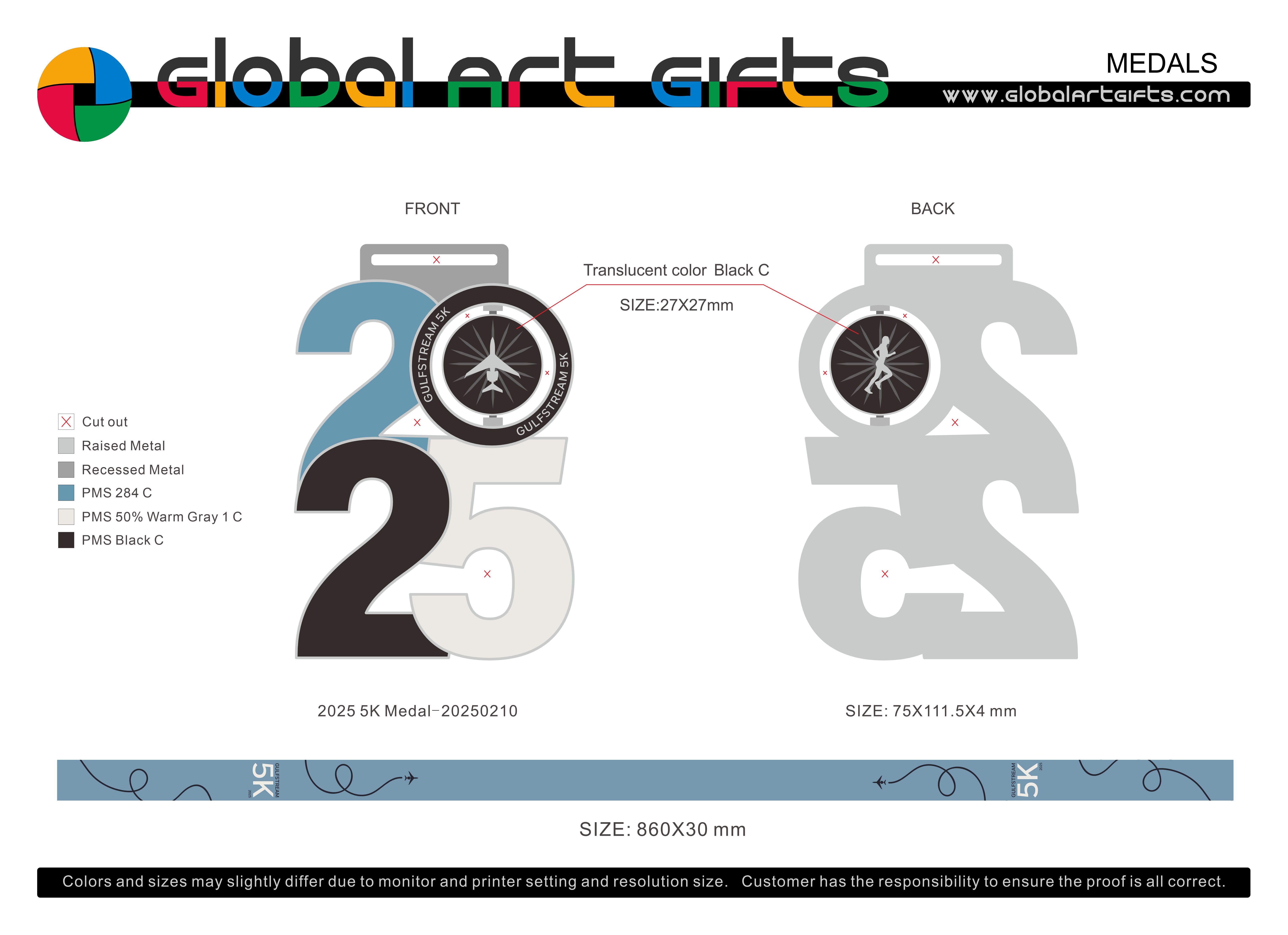
| Typical size | Roughly 1.5 to 2 inches | Larger, sized for a uniform chest |
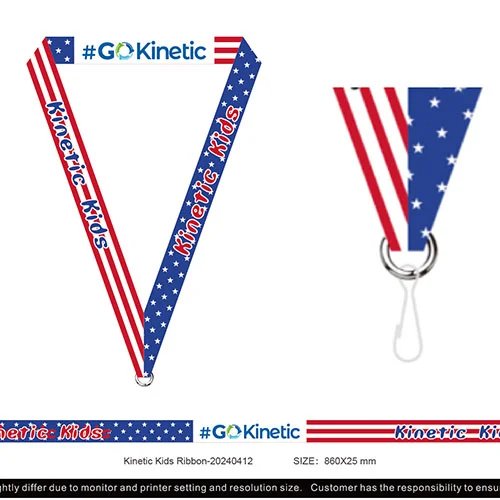
| Ribbon | None | Standard 860-900mm × 20-30mm |
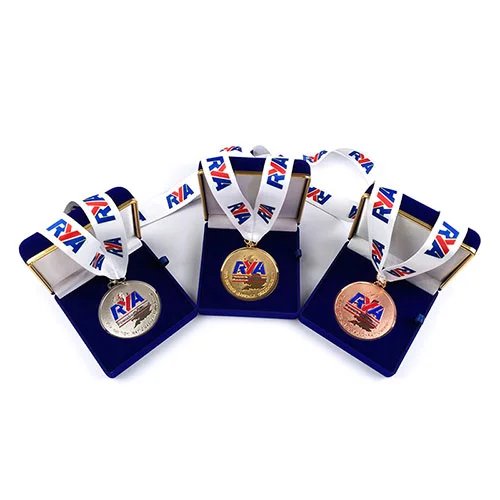
| How it’s worn | Carried in a pocket, handed out | Hung on a ribbon, pinned over a chest |
| Right for | Unit recognition, morale, handshake moments | Formal ceremonies, dress uniforms, valor |
| Typical material | Die-cast zinc alloy | Stamped brass or die-cast zinc |
| Finish | Enamel fill + clear epoxy dome | Antique plating (bronze or tin) |
| MOQ | 100 pieces per design | 100 pieces per design |
That ribbon dimension — 860 to 900mm long and 20 to 30mm wide — is our standard, and it’s the kind of detail that tells you a medal was made for a uniform rather than a pocket. A coin has no ribbon at all, which is why it can be as thick and heavy as you like without hanging awkwardly.
Construction: Die-Cast Zinc vs Stamped Brass
Both awards usually start as zinc alloy, but they don’t always stay there. Here’s where the metal choice matters.
Most challenge coins are die-cast from Zamak zinc alloy. Zamak 3, 5, and 7 melt at 385°C and flow into a mold cavity on our 88-ton press, which is what lets us pull deep 3D relief — a unit crest with raised lettering, sculpted eagles, and fine detail you can feel with a thumbnail. That depth is the whole point of a challenge coin. A flat coin reads like a poker chip; a die-cast one reads like a tiny monument.
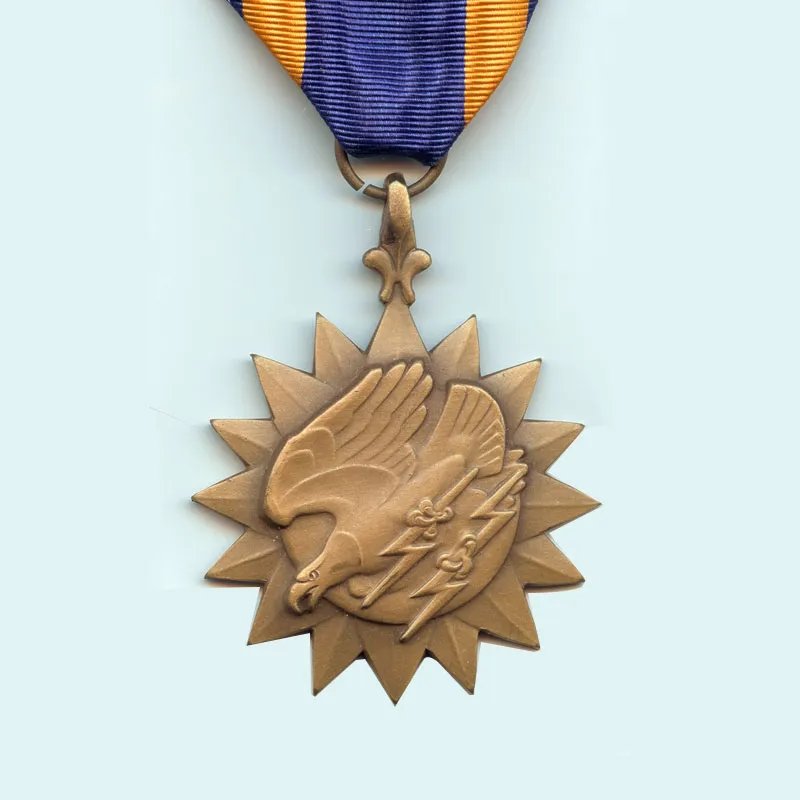
Military medals can be die-cast zinc too, but the more traditional build is stamped brass. Brass is heavier — 8.9 g/cm³ against zinc’s 6.7 — and stamping presses the shape flat, so you get a solid, weighty medal with lower relief. That weight matters on a uniform; it swings properly and hangs straight. The choice comes down to how much 3D detail you want versus how heavy you want the piece to feel. Our materials guide lays out all five metals side by side if you want the full picture.
[Image: process-03-die-casting.jpg — Die-casting machine producing challenge coins with deep 3D relief]
Finish: Epoxy Dome vs Antique Plating
The finish is where the two awards part ways completely, and it’s the detail most people notice first.
A challenge coin is usually enamel-filled and then capped with a clear epoxy dome. The enamel fills the recessed areas with color — unit colors, flags, insignia — and the epoxy sits on top like a clear lens, protecting the enamel and giving the face that thick, glossy, magnified look. It’s what makes a coin feel substantial in the hand and keeps the color from chipping after years in a pocket.
Military medals go the opposite direction: antique plating. Antique bronze and antique tin are the standards, and they give the medal that aged, matte, heritage look instead of a bright mirror shine. On our plating line that means a base layer of alkaline copper for about 500 seconds, then acid copper for 20 to 60 minutes to build the body, and finally the antique tone applied through an electrophoresis or barrel-plating step that darkens the recesses. The result looks like it’s been through a campaign, not off a shelf.
So the finish tells the story: a coin is bright and protected under a clear dome, a medal is dark and earned. If you’re still deciding, our manufacturing process page shows every plating and coating step in order.
[Image: process-07-plating.jpg — Antique bronze plating being applied to military medals on the plating line]
MOQ and Cost: What Each Order Looks Like
Both awards run on the same production floor, so the buying basics are identical — with one small difference worth knowing.
Our minimum is 100 pieces per design for both, and we turn out over 30,000 pieces a day. The mold is a one-time steel tool, so unit price drops as quantity grows — the same sliding scale you’d see on any bulk custom medals order. A challenge coin usually costs a bit more per piece than a simple medal because of the epoxy dome step and the deeper relief, but it’s still a low-cost item at quantity.
Both orders follow the same path: free design proof within 24 hours, a sample in 7 to 10 days, and full production in 7 to 15 days with a three-stage QC pass before shipping. We’ve been running this line since 2010, so the process is well worn. If you’re ordering for a unit or a ceremony, start with the design — we’ll proof it free and you’ll see exactly what you’re getting before a cent is committed.
[Image: factory-workshop-02.jpg — Production floor assembling military medals and challenge coins]
FAQ: Challenge Coins vs Military Medals
What’s the main difference between a challenge coin and a military medal? A challenge coin is a small, solid piece handed out hand to hand and carried in a pocket. A military medal is larger, hangs from a ribbon, and is worn on a uniform for a ceremony. Same metals, different jobs.
What size is a standard challenge coin? Roughly 1.5 to 2 inches across, though the exact size follows your design. The small footprint is what lets it ride in a pocket without catching.
Do military medals come with a ribbon? Yes. Our standard ribbon runs 860 to 900mm long and 20 to 30mm wide, sized to sit properly over a uniform. Challenge coins don’t use a ribbon at all.
Why do challenge coins have a glossy dome on top? That’s a clear epoxy dome over the enamel fill. It protects the color from chipping and gives the coin a thick, glossy, magnified face that holds up to years of handling.
Which is more expensive to make? A challenge coin usually runs slightly higher per piece than a simple medal because of the epoxy dome step and the deeper die-cast relief. Both drop in unit cost as quantity grows past the 100-piece minimum.
How long does an order take? At MedalOrigin, the free design proof lands within 24 hours, a sample in 7 to 10 days, and full production in 7 to 15 days after you approve it. Every order passes a three-stage QC before shipping.
Recommended Reading
- Military Medals & Challenge Coins: Manufacturing Standards That Matter — the standards and specs behind both awards
- Zinc Alloy vs Brass Medals: Which Material Is Right for Your Event? — the full metal decision, side by side
- Medal Plating & Finishes: Gold, Silver, Nickel, Antique — every plating and coating option in one place
Data to confirm: challenge coin diameter of roughly 1.5 to 2 inches is a typical range, not a fixed spec — confirm the exact size per design before quoting. Ribbon dimensions (860-900mm × 20-30mm) follow our standard spec.