“No minimum order” is one of the most searched phrases in custom medal sourcing. It sounds like the ideal arrangement — order exactly what you need, no waste. But the phrase means different things from different suppliers, and understanding why matters before you order.
We are a direct factory with a 100-piece minimum per design, so we are on one side of this. Here is an honest look at what no-minimum ordering involves. For the full ordering process, see our guide to bulk custom medals.
What we’ll cover:
- Why minimum order quantities exist at all
- What “no minimum” means from different suppliers
- The real cost of a small order per piece
- When a low minimum is worth paying for
- How to plan an order around a minimum
Why Minimums Exist
A minimum order quantity is not arbitrary. It exists because medals are manufactured, not printed, and manufacturing has fixed costs.
| Cost component | Nature | Scales with quantity? |
|---|---|---|
| Tooling / mold | Fixed per design | No — spread across the run |
| Setup / machine time | Fixed per run | No |
| Material | Variable | Yes |
| Labor per piece | Variable, partly fixed | Partly |
| Plating bath preparation | Fixed per batch | No |
| Packing and shipping | Partly fixed | Partly |
The mold is the clearest example. A steel mold for a die-cast medal is a fixed cost, cut once for the design. At 100 pieces, that cost is spread over a small run. At 1,000 it is a fraction of the unit price. This is exactly why volume discounts exist — you are amortizing tooling.
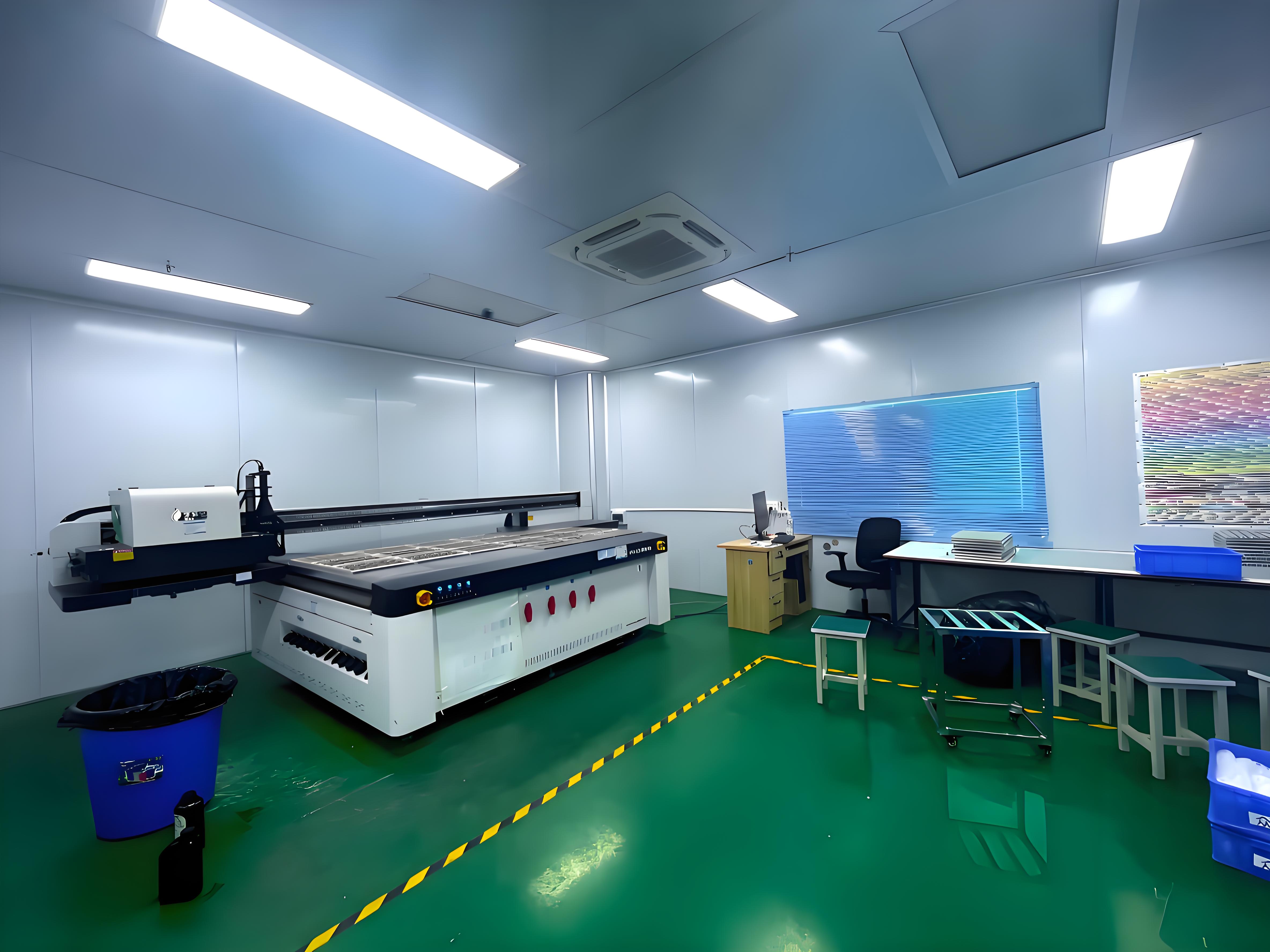
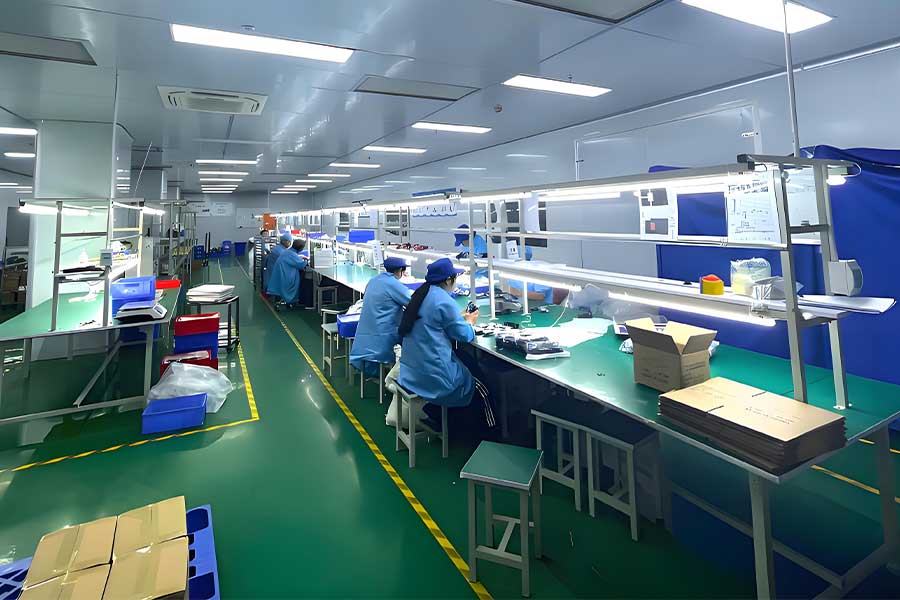
The plating bath is the second fixed cost most buyers never see. Our line runs nine steps including an alkaline copper base of about 500 seconds and acid copper for 20-60 minutes. Preparing and running a plating bath for a handful of pieces costs nearly the same as running it for hundreds. Our manufacturing process shows why the minimum exists.
So a supplier with “no minimum” is either absorbing those fixed costs, charging them differently, or not doing the process you think they are.
What “No Minimum” Actually Means
The phrase covers several very different offerings.
| What they mean | Reality | What you should check |
|---|---|---|
| True no minimum on custom designs | Possible but per-piece price is very high | Is tooling charged separately? |
| No minimum on stock designs | Standard shapes you can have printed | Custom artwork may not be possible |
| No minimum but with a high setup fee | Fixed cost moved to a line item | Compare total cost, not unit price |
| Resin or printed, not metal | Different process entirely | Confirm the material and process |
| Aggregated production | Your order joins a batch of others | Longer lead time, less control |
| Marketplace reseller | Made by a factory, sold to you at margin | Ask who manufactures it |
The most common version is the second one: a supplier offers a stock medal shape — a standard round or star blank — and applies your artwork by printing or engraving. That is a legitimate product, and it is genuinely available at low quantities, but it is not the same as a custom die-cast medal with your own relief design.
The second most common is a setup fee. The supplier still has to cut tooling, so they charge it as a visible line item rather than burying it in a high unit price. That is arguably more honest, but it means your 20-piece order may carry a tooling charge that dwarfs the material cost.
If a supplier claims custom die-cast medals with genuinely no minimum and no tooling charge, the useful question is who is paying for the mold.
The Real Cost of a Small Order
The per-piece cost of a small order is not a markup — it is the fixed costs divided by a small number.
| Order size | Fixed costs per unit | Practical effect |
|---|---|---|
| 10 pcs | Very high | Unit price can be several times the 500-pc price |
| 50 pcs | High | Still tooling-dominated |
| 100 pcs | Moderate | MOQ floor at most factories |
| 300-500 pcs | Low | Tooling spreading well |
| 1,000+ pcs | Minimal | Material and labor dominate |
What a small order buys you is flexibility, and flexibility has a price. That price is the amortized tooling.
The useful comparison is not “what does a 10-piece order cost per piece versus a 500-piece order” — it is “what does ordering 10 now and 490 later cost versus ordering 500 now.” Splitting an order usually costs more in total, because setup happens twice.
The 100-500 pcs Range: How to Decide
Our minimum is 100 pcs per design, so for most buyers the real question is not “can I order 20” but “where in the 100-500 band do I land, and when.” Work down this table.
| Order band | What it suits | The question to answer | Suggested move |
|---|---|---|---|
| 100 pcs (MOQ floor) | New design validation, one ceremony, testing a supplier | Is the artwork final, or still moving? | Order at the floor, freeze the design, keep the tooling on file |
| 100-250 pcs | Small clubs, one division, a pilot season | Can one shared design cover several categories? | Carry the category in the text layer so a single die serves all of them |
| 250-500 pcs | A full event with a near-final headcount | Is the headcount settled, or still a guess? | Consolidate into one run instead of topping up later |
| 500+ pcs | Race series, multi-day events, corporate programs | Does this design run again next year? | Order once at the higher quantity, then reorder against the same tooling |
| A repeat of any band above | Season two and beyond | Is the design unchanged? | Reorder — no mold fee, so the unit price steps down |
Two rules fall out of that table.
Sample before you scale. A design proof comes back within 24 hours of receiving artwork and physical sampling runs 7-10 days. That is cheap insurance against re-cutting a die, which costs more than a careful design review ever will.
Reorder rather than re-buy. The mold fee is a one-time charge per design, and the die stays on file with us. A second run of the same medal skips tooling entirely, so your per-piece cost steps down without you having to commit to a bigger quantity up front. Our pricing breakdown shows how that amortization works tier by tier.
100–500 pcs Decision Funnel: Sample, Validate, Scale
For buyers who land in the 100–500 band, the question is rarely “can I order this little” — it’s “how do I spend the least and still get it right.” The answer is a three-step funnel, and it’s the same path most of our clients follow.
- Sample first. A design proof returns within 24 hours and a physical sample runs 7–10 days. That’s cheap insurance against a re-cut die, which costs more than a careful design review.
- Validate the design and the headcount. Once the sample is in hand, confirm the artwork is final and the quantity is real before you commit the full run.
- Scale by reordering, not re-buying. Freeze the design so the die stays on file, then come back for season two against the same tooling. The mold fee is the dominant cost at this range, and a reorder skips it — so your later runs come in cheaper without a bigger upfront commitment.
Read the band against the decision this way.
| Order volume band | Decision focus | Suggested move | Why it matters at 100–500 pcs |
|---|---|---|---|
| 100 pcs (MOQ floor) | Validate design, de-risk the supplier | Sample, freeze the design, hold tooling on file | Tooling is heaviest per unit here; a correct first die beats a cheaper-looking re-cut |
| 100–250 pcs | One event, a pilot season | Carry categories in a shared text layer, one die | Avoids a second setup charge |
| 250–500 pcs | A first real run, near-final headcount | Consolidate into a single run | Tooling is well amortized, per-unit price steps down |
| 500+ pcs | A recurring program | Order once, then reorder against the same die | Reorder skips the mold fee — the lowest per-unit of the program |
The throughline is the same in every band: the mold fee is a fixed cost you can’t delete at low quantity, but you can stop it from being paid twice. Our bulk ordering workflow covers MOQ, pricing and timeline when you’re ready to place the run, and our pricing breakdown shows how tooling amortizes across the tiers.
What Dominates a Small Order, and What You Can Still Trim
In the 100-500 pcs range, one cost component outweighs the rest: the amortized mold fee. It does not shrink when you order less, so it simply gets divided by a smaller number. Material and plating do scale with quantity, but they are not the reason a small order feels expensive.
| Cost item | Weight at 100-500 pcs | Can you reduce it? | How |
|---|---|---|---|
| Mold fee (amortized) | Highest — the dominant line at this range | Only by spreading it | Hold the tooling and reorder, or raise quantity on the first run |
| Plating / surface finish | High, and fixed per batch | Partly | Run one shared die in three platings — gold, silver and bronze — instead of cutting three designs |
| Enamel color fill | Moderate, and additive per color | Yes | Cut the color count. Soft enamel needs only a 0.3mm recess and imitation hard enamel 0.5mm, and every extra color is another fill-and-cure cycle |
| Material (zinc alloy) | Lowest of the four at this range | Rarely worth chasing | Trimming size saves grams, not tooling |
The pattern is consistent: at low quantities you save money by reducing the number of setups and the number of colors, not by shaving metal.
Two levers move the number most inside the 100–500 band. First, color count: every extra enamel color is another fill-and-cure cycle, so trimming from five colors to three directly shrinks the dominant mold-amortization line — soft enamel needs only a 0.3mm recess and imitation hard enamel 0.5mm, and each color is one more cycle. Second, die reuse across finishes: one die can serve gold, silver and bronze in a single run, so three award tiers share one tooling cost instead of three, the same logic our plating guide lays out. Neither lever changes the design buyers see, and both reduce what you pay. Locking the artwork early is what makes them work — our design tips from the manufacturer cover the artwork rules that prevent a costly re-cut die.
When a Low Minimum Is Worth Paying For
A high per-piece cost is sometimes the right call.
| Situation | Low minimum worth it? | Reason |
|---|---|---|
| Prototyping a design | Yes | You need to see and hold it before committing |
| Single award or small ceremony | Yes | You genuinely need one piece |
| Testing a supplier | Yes | Small order de-risks a large one |
| Board approval pending | Yes | Sample first, order at scale after |
| Recurring event with volume | No | Order at MOQ and amortize tooling |
| Large event with firm headcount | No | Consolidate into one run |
The prototyping case is the strongest. Ordering a small quantity to evaluate a design and a supplier’s quality before committing to a large run is a sensible use of money, and it is how many of our clients start.
The case that is usually a mistake is a recurring event ordering small quantities each time. If the event runs annually, ordering 100 and holding tooling costs less over three years than ordering 35 three times. Our pricing breakdown shows how tooling affects unit cost.
Planning an Order Around a Minimum
If your supplier has a 100-piece minimum, as we do, that is generally a floor you can work with rather than around.
| Situation | Approach |
|---|---|
| Need 60 for a team | Order 100; keep spares and add future categories |
| Need 30 across 3 categories | One design, category in the text layer — clears 100 |
| Need 200 but unsure of final count | Order at 200 plus a modest buffer |
| Recurring annual event | Order at MOQ, hold tooling, reorder at cost |
| Several small divisions | Consolidate into one order with a text layer |
| Genuinely need a handful | Consider a stock design with printed artwork |
Two techniques do most of the work.
Use the text layer. One physical design with the category, division, or year carried in engraving or printing clears the minimum in a single order instead of several. That is the single biggest saving available to small organizations.
Hold your tooling. Ask before you place the first order. Once your mold exists, a reorder skips tooling entirely, so the second and third years are far cheaper than the first. We retain tooling for reorders. Our bulk ordering guide explains how combined runs affect your per-piece cost.
Samples are separate from production and worth understanding. A design proof comes back within 24 hours of receiving artwork, and physical sampling runs 7-10 days. Full production runs 7-15 days after sample approval. Our line produces 30,000+ pcs per day, so a 100-piece order is a small run for us rather than a special case.
If you have a small requirement and want to know what it costs, send us the design, quantity, and whether the event recurs — we will tell you the real per-piece cost at that quantity and what changes if you order higher.
Data to confirm: Confirm current MOQ, tooling charges, and tooling retention policy with the factory before quoting, as these vary with capacity and metal prices.
FAQ
Do custom medals have a minimum order? Most do. At our factory the minimum is 100 pcs per design. That exists because tooling, setup, and plating bath preparation are fixed costs per run, and they need enough pieces to spread across.
Is there a supplier with truly no minimum? Some offer no minimum on stock designs with printed artwork, which is a legitimate but different product. Meanwhile a custom die-cast medal always involves tooling, so someone is paying for the mold — either through a high unit price or a visible setup fee.
Why is a small order so expensive per piece? Because fixed costs are divided by a small number. The mold, machine setup, and plating bath preparation cost nearly the same for 50 pieces as for 500. The per-piece price is not a markup; it is amortized tooling.
How do I order fewer than 100 medals? Use one shared design with the division, category, or year carried in the engraved text layer, so several small requirements become a single order. If your event recurs, ordering at the minimum and holding tooling is cheaper over three years than ordering small amounts repeatedly.
Is it cheaper to order twice or once? Usually once. Splitting an order repeats the setup and tooling steps, so the total cost is higher even though each individual order is smaller. Consolidating raises quantity and lowers unit price at the same time.
Can I get a sample before ordering? Yes. A design proof comes back within 24 hours of receiving artwork, and physical sampling runs 7-10 days. Sampling to evaluate design and quality before committing to a large run is a sensible way to start.
What’s the smartest move in the 100–500 pcs range? Sample and validate the design first, freeze it so the die stays on file, then reorder against the same tooling to scale. The mold fee is the dominant cost at this range, and a reorder skips it — so you reach the lower per-unit price of season two without committing to a bigger first order.
See also: enamel-filled die-cast medals — custom hard enamel medals — the finish most buyers compare against soft enamel.