Most award buyers start with a feeling — “we want something impressive” — and end with a budget line they did not expect. The feeling usually points at a trophy; the budget usually points back at a medal. The three formats are not stylistic substitutes. They have different cost structures, different shipping weights, and different breakage rates, and the right pick depends almost entirely on how many people you are honoring. If you want the product range first, browse our custom medals line; if you want to know which format protects your budget, read on.
The Core Difference: One Is Mass-Produced, Two Are Not
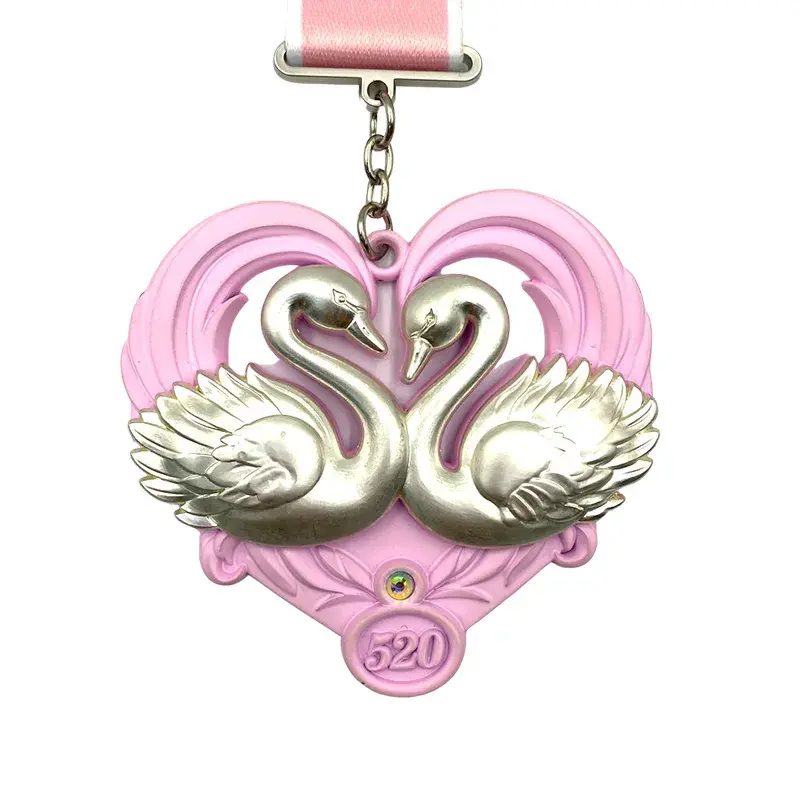
A medal is a die-cast, repeatable object. Once the steel mold exists, every additional unit costs roughly the material, the finish, and the assembly — nothing more. A trophy is a single assembled object with a figure, a stem, and a base that all have to be sourced and joined. A plaque is a flat board with a plate. Neither trophy nor plaque benefits from the same per-unit cost collapse that medals do at volume.
| Dimension | Medal | Trophy | Plaque |
|---|---|---|---|
| Production model | Die-cast, mold-driven | Assembled from components | Flat board + engraved plate |
| Volume economics | Strong cost drop per unit | Weak — each unit still assembled | Moderate |
| Shipping weight | Low, stackable | High, bulky | Flat but heavy board |
| Breakage risk | Very low | High (figures snap) | Low (corners chip) |
| Best fit | Large participant base | Few top places | Wall display, institutions |
This is the structural reason a 500-person event defaults to medals and a 10-person gala defaults to trophies. The formats are answering different questions: “honor everyone” versus “honor the few impressively.”
Medal: Built for Volume
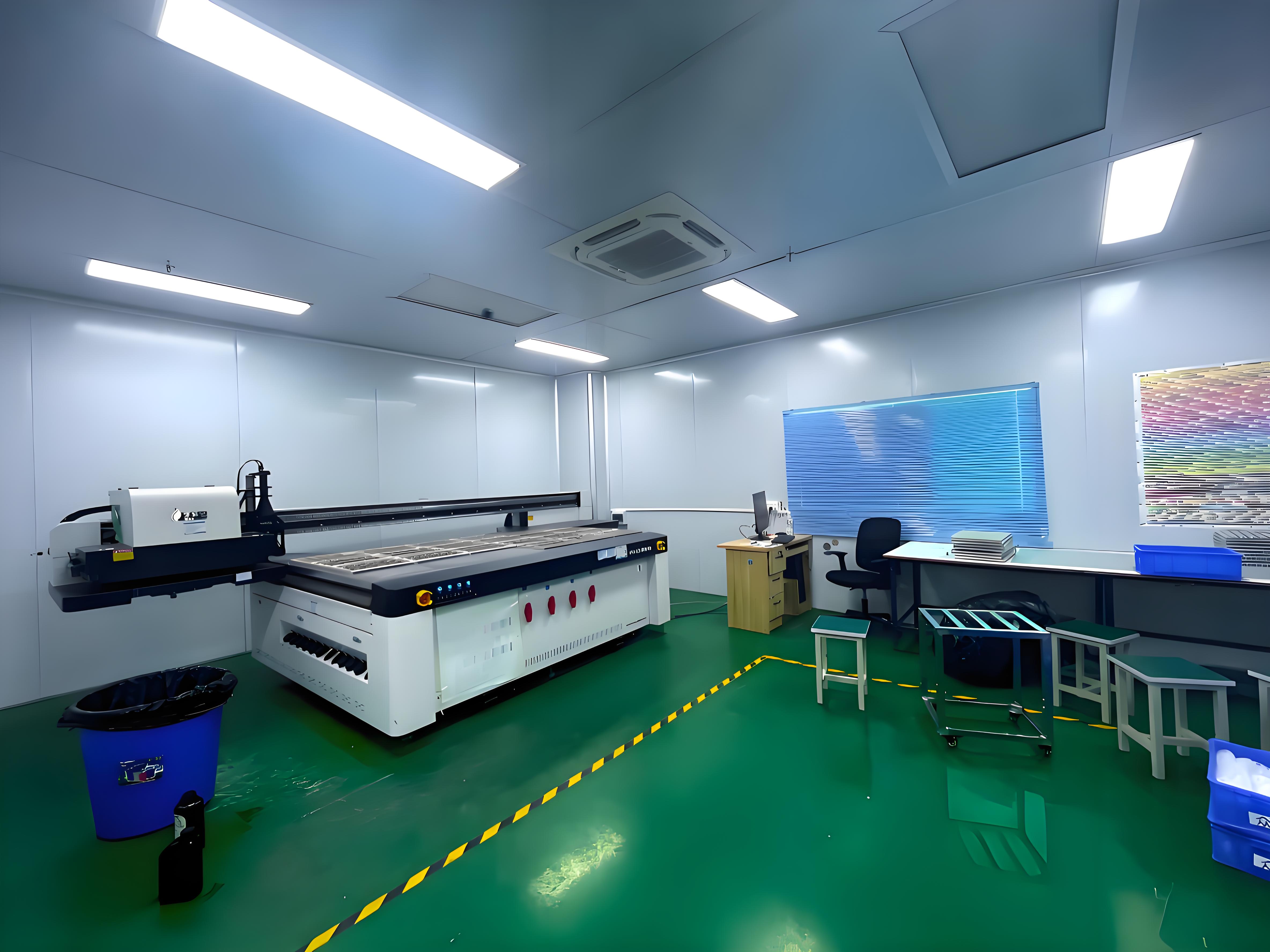
The medal’s advantage is the mold. We run medals on an 88-ton die-casting machine, and the 3#/5#/7# zinc alloy body is the same substrate whether you order 100 or 50,000. Our medal manufacturing process explains the die-casting step in detail, but the commercial point is simple: the mold is a one-time cost, and it amortizes across the run.
Supporting facts that matter for format choice:
- MOQ is 100 per style — small enough for a single division, large enough to keep the per-unit cost honest.
- Daily output exceeds 30,000 pieces — a large run does not slip the schedule the way a hand-assembled trophy run does.
- Ribbon is 860–900 × 20–30 mm heat-transfer polyester, welded or sewn, and chosen per use.
- Packaging options range from PP bag to velvet bag, paper box, acrylic box, and blister pack — each adding a different per-unit cost and a different unboxing feel.
The cost structure of a medal, then, is: mold (one-time) + alloy body + surface finish (electroplating, electrophoresis, or spray) + ribbon + assembly + packaging + freight. At 5,000 units the mold line is a rounding error; at 100 units it is the largest single component. We cover the full cost block breakdown in our medal cost guide.
Trophy: Impressive, But Every Unit Is Hand-Built
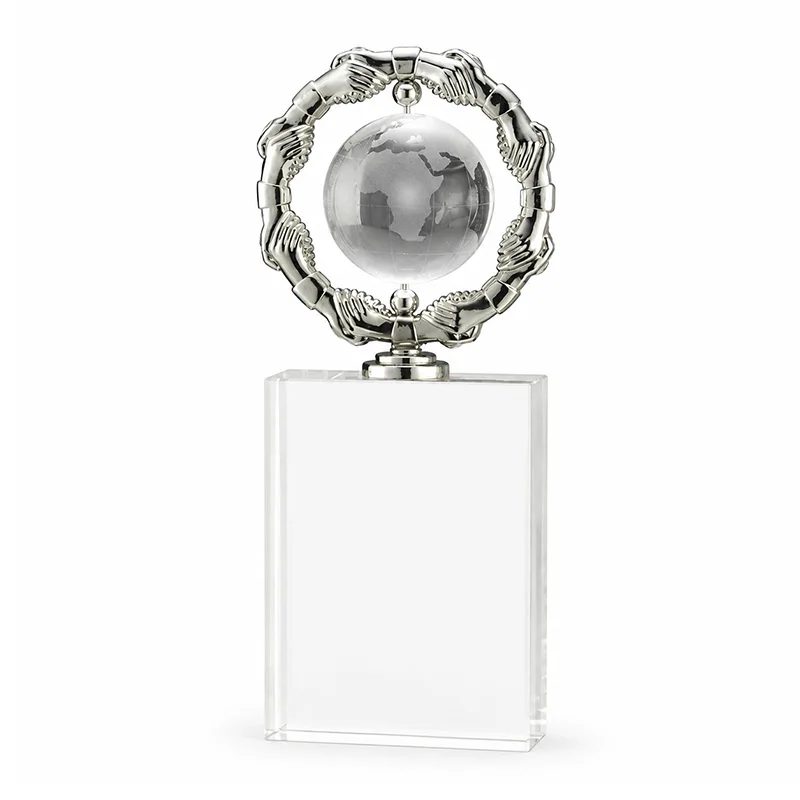
A trophy’s cost does not collapse with volume the way a medal’s does, because each unit is still assembled by hand from a figure, a stem, and a base. The material cost is real but secondary; the labor and the freight dominate.
| Cost driver | Medal | Trophy |
|---|---|---|
| Tooling | One mold, amortized | Minimal, but figures sourced per style |
| Labor per unit | Low (automated cast + finish) | High (assembly, balancing) |
| Freight | Low weight, stackable | High cubic volume |
| Breakage in transit | Rare | Common if not packed well |
The trophy supply chain is the hidden cost. The figure (resin or metal), the stem (often a stock column), and the base (wood, marble, or acrylic) are sourced as separate SKUs and joined per order. A custom figure means a second mold on top of the medal’s; a stock figure keeps cost down but limits uniqueness. Either way, the assembly step is labor that does not amortize. For a small number of top awards — championship, MVP, lifetime achievement — the trophy earns its cost because the “wow” is the point. For a participation award given to 400 people, a trophy is the most expensive way to say “thank you.”
Plaque: The Wall Format
A plaque is the institutional choice. It hangs, it is flat, and it suits corporate anniversaries, donor recognition, and public-sector commemorations where the award is meant to be seen daily rather than held at a ceremony. Its cost structure is a board (wood, acrylic, or metal) plus an engraved or printed plate, plus the labor to mount it.
Plaques ship flatter than trophies but the board weight still exceeds a medal of similar footprint. They are the right answer when the recipient wants proof on a wall, not an object in a drawer, and they scale reasonably for a department or a donor wall because the board is cut to size rather than assembled part by part.
A Worked Relative-Cost Example
To make the structure concrete without quoting prices, here is how the per-unit cost index behaves at a 2,000-unit run, with the medal set to a baseline of 1.0:
| Format | Relative per-unit cost index | Why it moves |
|---|---|---|
| Medal | 1.0 | Mold fully amortized, automated |
| Plaque | ~1.8 | Board material + plate mounting, mild scale |
| Trophy | ~3.5 | Hand assembly + bulky freight, no amortization |
At 100 units the medal index rises (mold not yet absorbed) but the trophy and plaque stay flat, widening the gap. The lesson is not “medals are always cheapest” — at a run of ten, a simple plaque can beat a complex medal. The lesson is that the medal’s advantage is a function of volume, and the crossover point is where the mold amortizes, which is why our MOQ explainer matters to this decision.
A Decision Matrix by Participant Count
| Participants | Recommended format | Reasoning |
|---|---|---|
| 1–10 (top honors) | Trophy for #1, medal for rest | Trophy anchors the moment; medals scale to the rest |
| 50–200 | Medals + a few trophies | Medals keep the bulk cost controlled; trophies reserved for placements |
| 200–2,000 | Medals primary | Only medals sustain the per-unit cost at this scale |
| Institutional / donor | Plaque | Wall display is the format’s purpose |
In practice the smartest programs mix formats: a trophy for the champion, plaques for permanent recognition, and bulk medals for schools or events for everyone else. The mistake is letting the trophy’s emotional pull set the format for a list of hundreds.
Shipping and Breakage: The Hidden Line Items
Two costs show up after the quote. First, freight scales with cubic volume, and trophies are the worst offenders — a carton of 20 trophies occupies more space and weighs more than 2,000 medals. Second, breakage: trophy figures snap in transit far more often than medals chip, and a broken trophy is a ruined award, not a salvaged one. Our guide to what a medal is made of explains why the solid die-cast body is inherently robust.
Medals, being low, solid, and stackable, survive freight almost without exception. That reliability is part of why large events standardize on them even when a trophy would look nicer on a shelf, and it is why our 100% qualified delivery standard holds up across 50+ countries.
Storage, Handing Out, and Leftovers
A format decision also touches logistics after delivery. Medals stack in a small box and hand out at a podium in seconds; trophies need individual handling and more table space. Leftover medals store in a drawer for next year’s reorder (we retain your mold, so a reorder pays no tooling); leftover trophies are harder to repurpose because the event year is often on the base. For recurring events, the medal’s reusability is a quiet cost win the trophy cannot match.
The Crossover Point, Explained
The reason medals win at volume is the mold. Once the steel mold is machined from your artwork and heat-treated, every additional unit costs roughly the alloy body, the surface finish, the ribbon, and assembly — nothing more. We run medals on an 88-ton die-casting machine, and the 3#/5#/7# zinc alloy body is the same substrate whether you order 100 or 50,000, with daily output above 30,000 pieces. A trophy, by contrast, is a single assembled object with a figure, a stem, and a base that all have to be sourced and joined per unit, so its cost does not collapse the way a medal’s does. The crossover point — where the medal becomes cheaper than a simple plaque or trophy — is roughly where the mold amortizes, which is why our MOQ explained guide matters to this decision and why the 100-per-style floor is the right frame for it.
Format Mixing in Practice
The smartest programs do not pick one format; they mix. A trophy for the champion, plaques for permanent donor or institutional recognition, and bulk medals for schools and events for everyone else. For a 200-person event, that might mean one trophy for first place, a plaque for the permanent record, and 199 medals for the field. The trophy anchors the moment; the medals keep the bulk cost controlled. The mistake is letting the trophy’s emotional pull set the format for a list of hundreds — at which point you have paid hand-assembly and bulky freight for awards most recipients will never display. Our custom trophies and custom plaques lines show where those formats fit when the headcount is small.
Shipping and Breakage Without the Guesswork
Two costs show up after the quote. First, freight scales with cubic volume, and trophies are the worst offenders — a carton of 20 trophies occupies more space and weighs more than 2,000 medals. Second, breakage: trophy figures snap in transit far more often than medals chip, and a broken trophy is a ruined award, not a salvaged one. Medals, being low, solid, and stackable, survive freight almost without exception, which is part of why large events standardize on them and why our 100% qualified delivery standard holds across 50+ countries. Plaques sit between — flatter than trophies but still a heavy board — and they suit wall display rather than transit-heavy distribution, which is exactly the use case they were designed for.
A Recurring-Event Format Plan
For events that repeat, the format decision compounds. Leftover medals store in a drawer for next year’s reorder (we retain your mold, so a reorder pays no tooling); leftover trophies are harder to repurpose because the event year is often on the base. A recurring 5K, a yearly academic honor, or an annual sales meeting should therefore default to medals for the many and reserve trophies or plaques for the few. The custom medals range is the workhorse of the recurring award, and the medal manufacturing process page explains why the solid die-cast body is inherently robust in transit. Across 15 years we have supplied all three formats, and the recurring programs that control cost are the ones that treat format as a volume decision, not a taste decision.
How to Choose When You Are Unsure
If the participant count is small (under 50) and the award is a one-time top honor, a trophy or plaque is usually right and the mold economics do not matter. If the count is in the hundreds or thousands, or the event repeats, medals are the structural choice. The deciding question is not “what looks best on a shelf” but “how many people, how often, and how will it ship.” Answer those three and the format almost selects itself. For a mixed need, start from the custom medals range and layer trophies or plaques on top for the headline awards, using the decision matrix above as the tie-breaker when two formats look equally attractive.
Cost Structure by Format, Decomposed
The medal’s cost structure is: mold (one-time, amortized) + alloy body + surface finish (electroplating, electrophoresis, or spray) + ribbon + assembly + packaging + freight. At 5,000 units the mold line is a rounding error; at 100 units it is the largest single component. A trophy’s cost structure is: sourced figure + stem + base + assembly labor + bulky freight, with no amortizing mold to absorb the per-unit cost. A plaque’s is: board (wood, acrylic, or metal) + engraved or printed plate + mounting labor. The reason the per-unit cost index widens with volume is that only the medal has a one-time cost that shrinks toward zero as the run grows. This is not a stylistic point — it is the structural reason a 500-person event defaults to medals and a 10-person gala defaults to trophies. Our custom plaques and custom pins lines follow their own tooling logic, which is worth checking before assuming one format’s minimum applies to another.
Storage and Leftover Reality
After delivery, the formats diverge again. Medals stack in a small box and hand out at a podium in seconds; trophies need individual handling and more table space, and their figures are prone to snapping if stacked. Leftover medals store in a drawer for next year’s reorder, and because we retain your mold, that reorder pays no tooling — a quiet cost win the trophy cannot match, since the event year is often on the trophy base and repurposing it is awkward. For recurring events, this reusability is the argument that survives contact with a real storeroom. Our bulk medals for schools guide covers the same storage logic from the education buyer’s side, and the conclusion is consistent: the medal is the workhorse of the recurring award precisely because it stores, ships, and reorders cleanly.
FAQ
Which is cheapest for a large group? Medals, by a wide margin, once the mold is amortized across the run. Trophies and plaques do not get the same per-unit cost drop at volume.
Can we use trophies for just the top winners? Yes, and that is the most cost-efficient mix: a trophy for first place, medals for everyone else.
Why do trophies cost more to ship? They are bulky and heavy per unit, so freight is driven by cubic volume rather than weight, and the figures are prone to snapping in transit.
Are plaques better than medals for offices? For wall display and daily visibility, yes. For ceremonies and large groups, medals are more practical and cheaper.
What is the minimum order for custom medals? 100 per style. That keeps tooling honest while still allowing division-level variants.
Do medals really break less in shipping? Consistently. They are low, solid, and stackable, so unlike trophy figures they rarely suffer transit damage, which is why our standard is 100% qualified delivery.
Talk to the Factory
Format choice is a budget decision disguised as a design decision. Tell us your participant count and your ceremony plan, and we will map the right mix of medals, trophies, and plaques — contact MedalOrigin to structure the quote around your actual volumes.