Search “how to choose a medal manufacturer” and you get ranked lists — “7 leading vendors,” “10 best companies.” Rankings tell you who paid for placement, not who will deliver your event on time. What you actually need is a checklist of things you can verify yourself, before money moves. If you want the product range first, browse our custom medals line; if you want to know what to check, read on.
The Problem With Rankings
A ranked list compares websites, not factories. The factory behind a polished storefront may outsource its molding, skip QC stages, or have let its certifications lapse. None of that shows up in a top-ten article. The only defense is to verify the production capability directly, and most of it is verifiable with a single email.
The 12-Point Checklist
| # | Check | What a pass looks like |
|---|---|---|
| 1 | Valid certifications | BSCI, Disney, ISO 9001, Reach, RoHS, TUV, Sedex, USJ — with current certificate numbers |
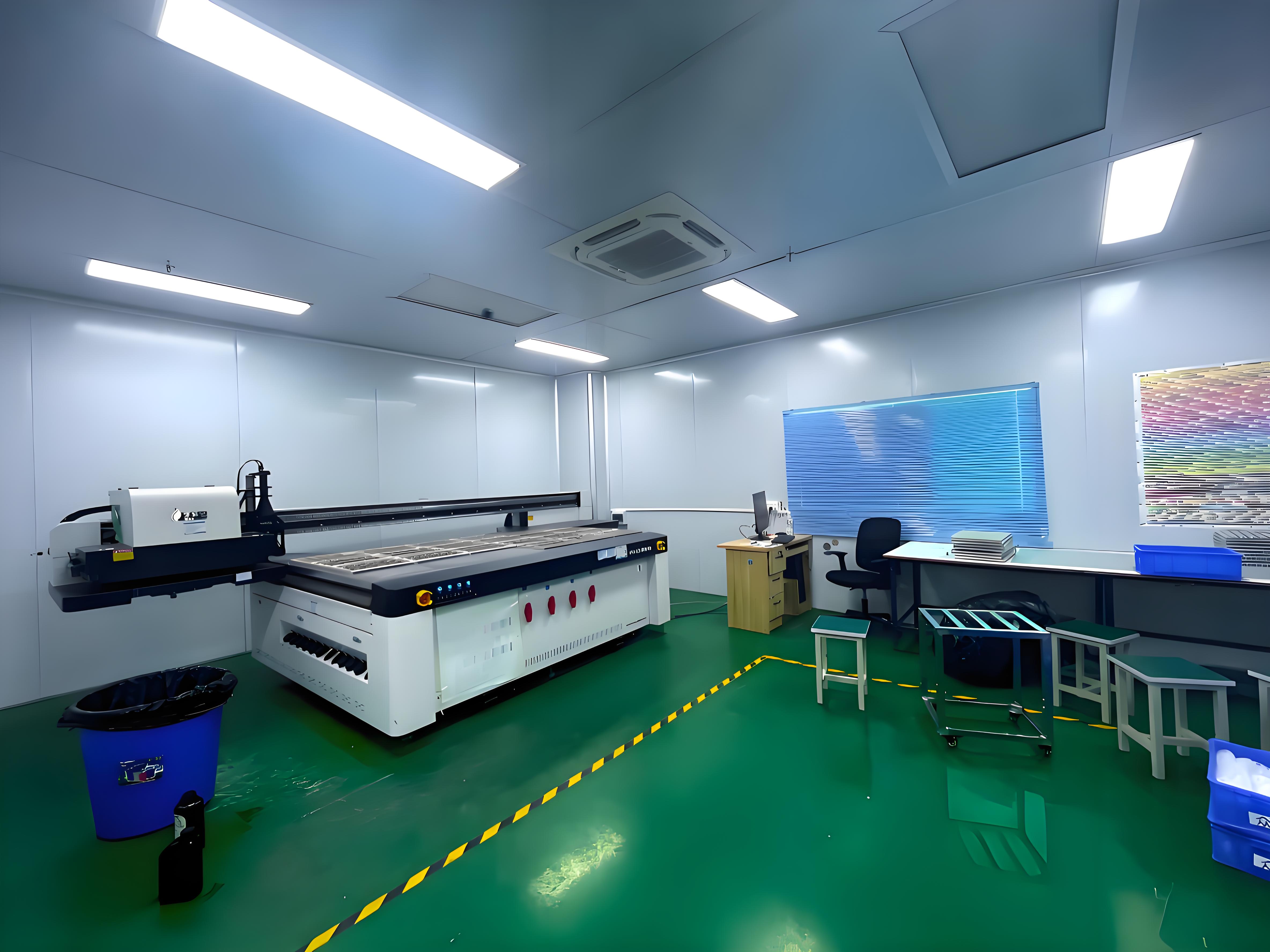
| 2 | Factory audit | A real visit or a live video tour of the Huizhou-type production floor |
| 3 | Sample policy | A physical sample offered before mass, with a clear paid-or-free term |
| 4 | QC stages | Named inspection points, not “we check quality” |
| 5 | MOQ transparency | A stated minimum (ours is 100 per style) with the reason |
| 6 | Lead-time honesty | A process schedule, not a single hopeful number |
| 7 | Proof speed | A design proof returned within 24 hours |
| 8 | Capacity evidence | Daily output, years operating, countries served |
| 9 | In-house mold shop | Mold machined and held by the same factory |
| 10 | Material disclosure | Zinc grade, density, forming process stated |
| 11 | Artwork confidentiality | A clear IP / NDA stance on your designs |
| 12 | Mold retention | Your mold kept for reorders, not scrapped |
Each of these is something a serious factory answers without hesitation. A factory that hedges on certification numbers or will not show the floor is telling you what you need to know.
1–2: Certifications and Audit
Certifications are the easiest to verify and the most often faked. Ask for the certificate number and the issuing body; a current BSCI, Disney, ISO 9001, Reach, RoHS, TUV, Sedex, or USJ certificate has a traceable registration. An audit — a visit or a live video walk-through of the casting and finishing lines — confirms the certificates describe a real operation. We run a Huizhou production base and welcome both.
3: Sample Policy Before Mass
A factory confident in its mold and finishing will offer a physical sample before mass production. Our sample window is 7–10 days, and it exists precisely so you verify the relief, the plating, and the enamel before committing to 100 or 10,000 units. A supplier that pushes straight to mass with no sample is asking you to bet the event on an unproven mold.
4: Named QC Stages
” We check quality” is not a QC system. Ask how many inspection points exist and what each catches. We run three stages — pre-finishing, post-finishing, and pre-shipment — because catching a defect at stage one costs a fraction of catching it after packaging. The standard we hold is 100% qualified delivery, which only works if inspection is staged, not bolted on at the end.
5–6: MOQ and Lead Time Honesty
A transparent minimum (100 per style, with the tooling reasoning) and a process schedule beat a low headline number. Our production timeline lays out proof, sampling, and production as separate clocks; a supplier quoting “7–15 days” for everything including molding is compressing a stage that cannot be compressed. Honesty about the floor is a stronger signal than a low quote.
7–8: Proof Speed and Capacity
A 24-hour design proof shows the factory runs a real design desk, not a reseller forwarding files. Capacity evidence — daily output above 30,000 pieces, 15 years operating, 50+ countries served — shows the line can absorb your order without crowding others. These are claims you can ask to see in production records, not just on a homepage.
9–10: In-House Mold and Material Disclosure
The mold is the part every unit depends on. A factory that machines and holds its own molds (by spark erosion for matte fields, CNC for relief) controls lead time and accuracy; one that outsources molding controls neither. Material disclosure — zinc grade (Zamak 3/5/7, density 6.7 g/cm³, melt 385°C), forming process, plating sequence — is a basic competence signal. A supplier vague about what your medal is made of is vague about everything downstream of it.
11–12: Confidentiality and Mold Retention
Your artwork and your mold are assets. Ask for a clear IP stance and whether your mold is retained for reorders. We keep customer molds so a reorder does not pay tooling twice — a small thing that, over years of annual events, is a large thing. A factory that scraps molds between orders is quietly charging you setup repeatedly.
How to Score the Responses
Not every point carries equal weight for every buyer, but a simple scoring helps compare suppliers objectively:
| Check | Weight if you reorder annually | Weight if one-off |
|---|---|---|
| Mold retention (12) | High | Low |
| Certifications (1) | High | Medium |
| QC stages (4) | High | High |
| Audit (2) | Medium | Medium |
| Price | Medium | High |
A supplier that scores well on retention and QC but is mid-pack on price is usually the better long-term bet than a cheap shop that scores poorly on both. Our cost breakdown explains why the cheap quote often hides a cost-block cut.
A First-Email Template
You do not need to be a procurement expert to run this. A first email that gets useful answers:
“We’re sourcing custom medals for [event, date, quantity]. Please confirm: current certification numbers (BSCI/ISO/etc.), whether you offer a physical sample before mass, your QC stage count, your MOQ and reason, and whether you retain customer molds for reorders. A video floor tour would be welcome.”
The suppliers that answer completely and quickly are the shortlist. The ones that deflect are the answer.
Red Flags, Made Concrete
Beyond the checklist, watch for two patterns. One: a price far below the market with no explanation of which cost block was cut — usually the finish or the QC. Two: reluctance to answer the checklist at all, dressed up as “trade secret.” Real production secrets are in process tuning, not in whether a factory has certifications or runs staged QC. A third, subtler flag: a “factory” that cannot name its own alloy grade or plating sequence is almost certainly a trading company reselling someone else’s product.
What We Would Ask First
If we were buying instead of making, the first three questions would be: show me current certification numbers, show me the floor, and tell me your sample policy. Those three answer most of the rest. The cost breakdown then tells you whether the quote is built on real blocks or on hope.
Verifying Capacity Without a Site Visit
A factory visit is ideal, but most international buyers never set foot on the floor. The good news is that capacity is verifiable remotely if you ask for the right evidence. We state ours plainly: a Huizhou production base, daily output above 30,000 pieces, 15 years operating, and shipments to 50+ countries. Those four numbers are not marketing — they are operational facts you can pressure-test.
Ask a supplier for recent production records or a live video walk-through of the casting and finishing lines. A real line shows the 88-ton die-casting machines running the 3#/5#/7# zinc alloy body, the electroplating racks, and the enamel filling stations. A trading company cannot show you any of that, because it does not own it. The inability to show the floor is, by itself, a disqualifying answer for a serious buyer. Our manufacturing process guide shows the path the part travels; a supplier who cannot show the same path is reselling someone else’s output.
The Mold Shop Question, in Detail
Point 9 on the checklist — in-house mold shop — deserves more than a yes-or-no. The mold is the part every unit depends on, so who makes it and who keeps it decides both your lead time and your reorder cost. We machine molds in-house by spark erosion for the matte fields and CNC for the relief, then heat-treat the steel so it holds dimension across the 30,000+ units we cast daily. Because the mold is made and held by the same factory, a reorder does not pay tooling twice.
Ask the supplier two follow-ups: “Where is the mold made?” and “Do you retain it for reorders?” A factory that outsources molding controls neither its lead time nor its accuracy, and a factory that scraps molds between orders is quietly charging you setup repeatedly. This is exactly why mold retention (point 12) and the in-house shop (point 9) sit next to each other on the checklist — they are the same risk seen from two angles.
What “We Check Quality” Should Actually Mean
Point 4 — named QC stages — is where vague suppliers hide. “We check quality” is not a system; it is a wish. A real system names its inspection points and what each catches. We run three stages: pre-finishing (does the cast body meet dimension and relief before color goes on), post-finishing (does the plating or enamel hold after the process), and pre-shipment (does the packed carton match the order and the standard). The reason for three rather than one is arithmetic: catching a defect at stage one costs a fraction of catching it after packaging.
This staged approach is what lets us hold a standard of 100% qualified delivery. That is a process claim, not a slogan — it only works because inspection is built into the schedule rather than bolted on at the end. When you vet a supplier, ask specifically how many inspection points exist and what each one is checking for. A single end-of-line check is a risk to on-time, defect-free delivery, and it is the difference between “shipped” and “shipped correct.”
A Shortlist Comparison Worksheet
Scores are only useful when applied to real replies. Here is a worksheet to fill in as supplier answers come back, using the twelve points:
| Checkpoint | Supplier A | Supplier B | Supplier C |
|---|---|---|---|
| Certificate numbers provided | |||
| Floor tour offered | |||
| Sample before mass (7–10 days) | |||
| Named QC stages (3+) | |||
| MOQ stated with reason | |||
| Process schedule, not one number | |||
| 24-hour proof | |||
| Capacity evidence | |||
| In-house mold shop | |||
| Material grade disclosed | |||
| IP / NDA stance | |||
| Mold retained for reorders |
The supplier with the most checked boxes is rarely the cheapest, and that is the point. A low quote from a supplier missing half the column is a quote built on a cost block you did not mean to cut. Our MOQ explained guide shows where those cost blocks live and why a cheap quote often hides a cut.
Red Flags, Made Concrete (Extended)
Beyond the checklist, three patterns should stop a buyer cold. First, a price far below market with no explanation of which cost block was cut — usually the finish or the QC. Second, reluctance to answer the checklist at all, dressed up as “trade secret.” Real production secrets are in process tuning, not in whether a factory has certifications or runs staged QC. Third, a “factory” that cannot name its own alloy grade or plating sequence is almost certainly a trading company reselling someone else’s product. None of these require a factory visit to detect — they show up in the first email exchange, which is why the first-email template above is worth sending to every candidate at once.
Why This Beats a Ranked List
A top-ten article compares storefronts; it cannot tell you which factory retains your mold or runs three QC stages. The twelve-point checklist does, because every point is something a serious factory answers without hesitation. When you replace “who is most advertised” with “who passes the twelve checks,” the shortlist shrinks to suppliers you can actually plan an event around. That is the entire purpose of vetting: not to find the cheapest quote, but to find the supplier whose process matches your date, your compliance needs, and your reorder plan. For education and corporate buyers especially, the school procurement playbook and the corporate program guide build directly on these same verification steps, and both depend on the factory passing the points above first.
The discipline of the twelve points is that it converts a vague “who is best” question into a checklist you can score in a single afternoon. Send the same first email to three suppliers and the answers sort themselves — the ones that answer completely and quickly are the shortlist, and the ones that deflect have told you what you needed to know.
FAQ
What certifications should a medal factory have? Look for BSCI, Disney, ISO 9001, Reach, RoHS, TUV, Sedex, and USJ — and ask for the current certificate numbers, not just the logos.
Should I insist on a factory visit? A visit is best, but a live video tour of the casting and finishing lines is a reasonable substitute and confirms the operation is real.
Why is a sample policy a vetting signal? A confident factory offers a physical sample (7–10 days) before mass. One that skips sampling is asking you to bet the event on an unproven mold.
How many QC stages is normal? We run three — pre-finishing, post-finishing, pre-shipment. Fewer than that, or a single end-of-line check, is a risk to on-time, defect-free delivery.
Is a very low price a red flag? Often. If a quote is far below market with no stated cost-block cut, the saving is usually taken from finish quality or QC — neither of which you want compromised.
Will my mold be kept for reorders? Ask explicitly. We retain customer molds so reorders avoid paying tooling twice; a factory that scraps molds between orders is charging setup repeatedly.
Talk to the Factory
Send us your artwork and we will answer the full twelve points — certificates, floor tour, sample policy, and mold retention — before you commit a unit. Contact MedalOrigin to vet us the same way you would any supplier.