“Where to buy custom medals” sounds like a simple question. It isn’t, because the same medal can reach you three ways — direct from the factory that casts it, through a trader who never touches the tooling, or off a marketplace listing with stock photos. All three quote a price. Only one of them controls the production. We’ve been the factory on the other end since 2010, so here’s how we’d tell you to shop for custom medals if we weren’t the ones selling them.
What we’ll cover:
- The three sourcing routes and what each one costs you
- How to tell a factory from a trader in one phone call
- What to verify before you pay a deposit
- How to compare two quotes that look different
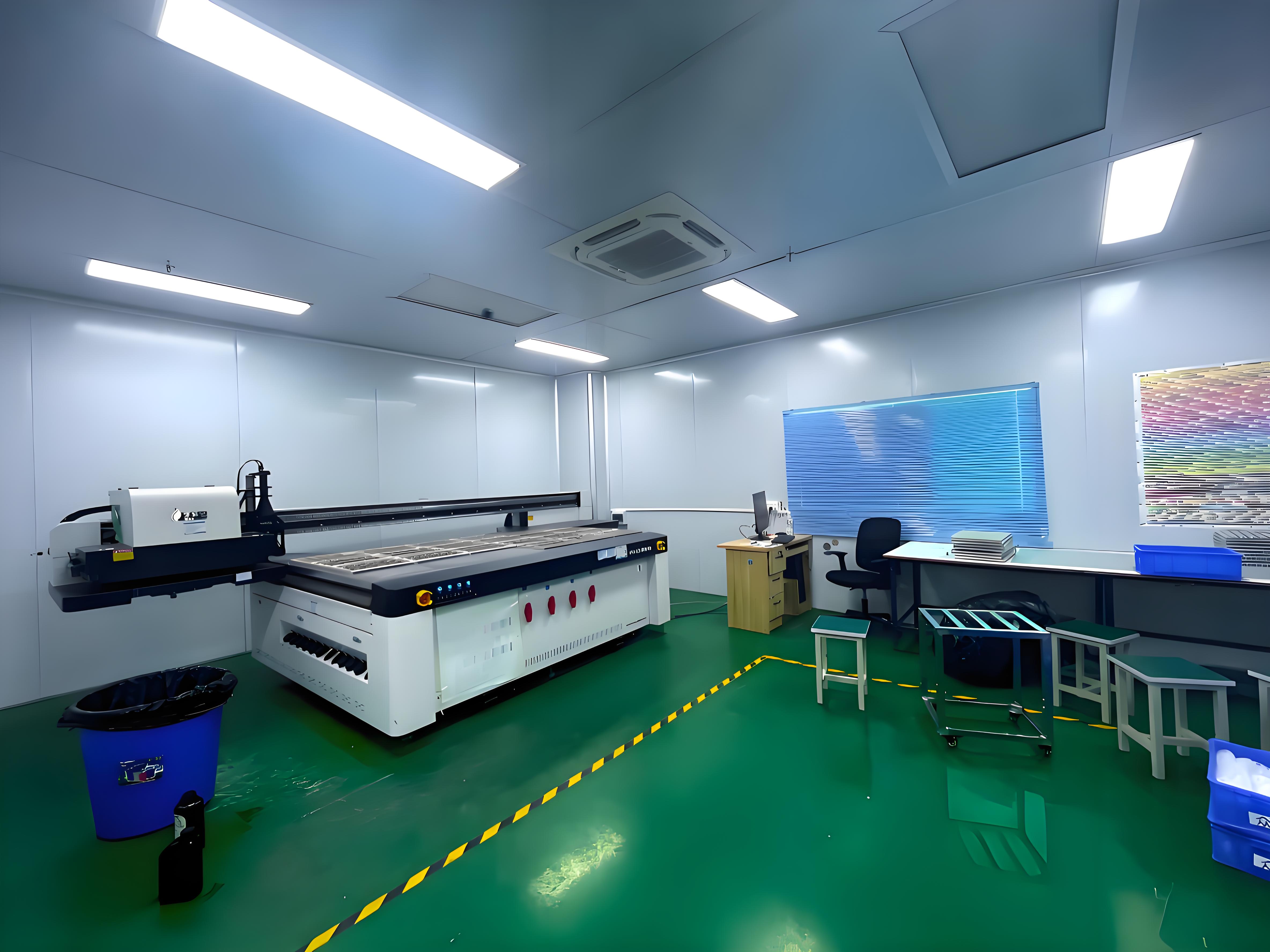
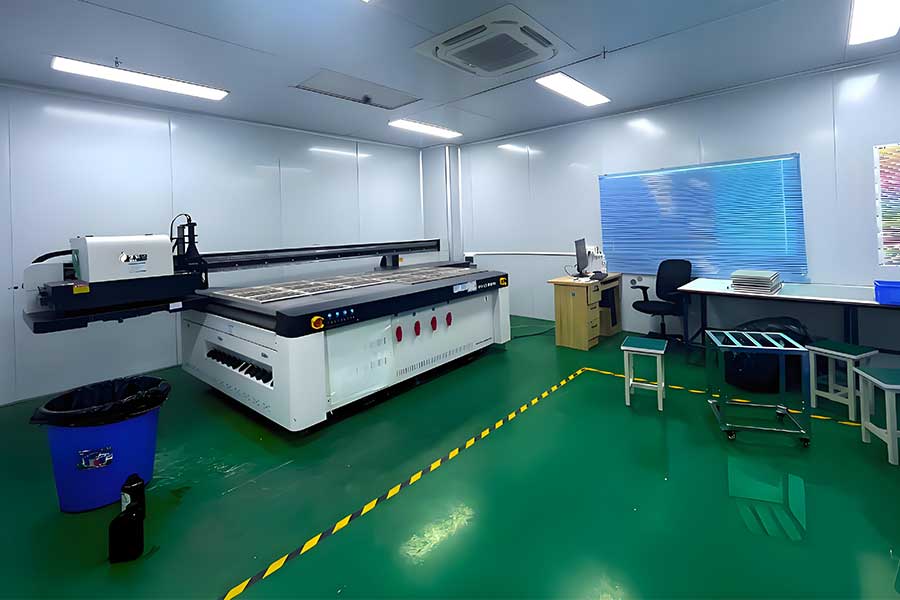
[Image: factory-Badge-Artisans-factory.jpg — Our Huizhou factory floor with medal production lines]
The Three Routes to a Custom Medal
Every custom medal reaches a buyer through one of three channels. The channel determines who controls quality, timeline, and price — and how much of your money goes to production versus markup.
| Direct factory | Trader / broker | Marketplace listing | |
|---|---|---|---|
| Who makes it | The supplier | A third-party factory | Unclear |
| Controls tooling | Yes | No | No |
| Markup layer | None | One or more | Platform + seller |
| Can fix a defect | Yes, at source | Negotiates for you | Usually a refund |
| Best for | Custom designs, volume, repeat orders | Simple spec, small orders | Stock-adjacent items |
The trade-off isn’t “factory good, trader bad.” A good trader is genuinely useful when you need a single small order of a simple design and don’t want to manage a production process. But if you have custom artwork, a real volume, or a program that repeats annually, buying direct removes a markup layer and gives you a direct line to the people who can fix a problem.
The marketplace route is the one to be careful with. Listings often use stock photography of medals the seller didn’t produce. When something goes wrong — wrong plating, wrong size, enamel bleed — your remedy is usually a refund, not a corrected order. For a dated event, a refund three weeks late isn’t a remedy.
[Image: factory-workshop-02.jpg — Multiple production lines running in a single factory]
How to Tell a Factory From a Trader
Most buyers can’t tell the difference from a website, because trader sites and factory sites look nearly identical. Both use industrial photography, both list certifications, both promise free design. The difference shows up in what they can answer.
Ask these five questions. A factory answers immediately and specifically. A trader deflects, promises to check, or gives a generic answer.
“What’s your melt temperature for zinc alloy?” A die-casting factory knows zinc alloy Zamak 3, 5, and 7 melt at 385°C, because that number governs everything about how the metal flows into a mold. A trader will not know this and will usually say so.
“How long does your alkaline copper base plate run?” We run about 500 seconds before acid copper. Anyone who actually operates a plating line knows their own timing. If you get “it depends” with no number attached, you’re talking to a middleman.
“Can I see a photo of the mold you’d cut for my design?” A factory can show you a mold — theirs, and usually several others in progress. A trader can’t, because the mold exists at someone else’s facility.
“What’s your daily output?” Our floor runs over 30,000 pieces a day. A specific number with a specific production floor behind it is a factory answer.
“What happens if the plating bubbles on my order?” Electroplating blistering usually traces to incomplete cleaning before plating, or to a bake-and-oil step done wrong. A factory can explain the cause and fix it at the source. A trader can only pass your complaint upstream and wait.
That last question is the most useful one, because the answer reveals whether your supplier understands the process or just the paperwork.
What to Verify Before You Pay a Deposit
Six items. All are quick, and each one has caught a real problem for a buyer we later worked with.
Certifications, with scope. BSCI, Disney FAMA, ISO 9001, Reach, RoHS, TUV Rheinland, Sedex, and USJ are the ones we hold. Ask for the certificate and read what it covers — a factory may hold ISO 9001 for one product line and not another.
A real production address. A factory address you can look up on a map, not a registered office. Ours is in Huizhou, Guangdong.
Sample before full run. Never approve a full order off a digital mockup. A physical sample in your hand shows plating color, enamel depth, weight, and ribbon quality in a way a screen render cannot. Our samples take 7 to 10 days.
Written spec. Get material, size, thickness, plating type, enamel type, color count, ribbon dimensions, and packaging on paper. Verbal specs are how “antique gold” becomes “bright gold” without anyone agreeing to change it.
Payment terms. Standard for new customers is T/T 30% deposit and 70% on completion. Long-term partners can apply for Net 30 or Net 60. Be wary of suppliers demanding full payment upfront, and equally wary of anyone offering unusual leniency — both are cash-flow signals.
A named person. A single account contact who answers questions across the whole project. Suppliers who route you through a shared inbox make every issue take twice as long.
[Image: service-certifications.jpg — Certification documents held by the manufacturer]
Comparing Two Quotes That Look Different
This is where most buyers lose money. Two quotes arrive, one is 30% cheaper, and the cheaper one gets the order. Except the quotes usually aren’t for the same product.
Force both quotes into the same format before comparing:
| Spec line | Why it matters |
|---|---|
| Material and process | Zinc die-cast vs stamped iron changes cost more than anything else |
| Size and thickness | A 60mm medal and a 50mm medal aren’t comparable |
| Plating type | Mirror electroplating costs more than single-pass antique |
| Enamel type and color count | Soft enamel with 3 colors vs hard enamel with 5 |
| Mold fee, stated separately | One-time cost, and it’s where a lowball quote hides |
| Quantity | The same design at 200 pieces vs 2,000 |
| Ribbon included? | Frequently excluded to lower the headline number |
| Packaging | Poly bag vs velvet box is a real per-unit difference |
Nine times out of ten, the cheaper quote turns out to be a different medal. A stamped iron medal in a poly bag is cheaper than a die-cast zinc medal with hard enamel in a velvet box — and it should be, because it’s a lesser product. That’s not a scam, it’s just not the thing you thought you were buying.
The mold fee line deserves special attention. It’s a one-time cost for a steel tool machined from your artwork and heat-treated. A supplier who quotes unit price without disclosing the mold fee is either absorbing it into the unit price or hiding it. Ask for it explicitly, then ask how it changes at different quantities — because a real factory quotes on a sliding scale rather than a single number. Our bulk custom medals page shows how that math works.
[Image: factory-workshop-04.jpg — Tooling and mold area of the production floor]
China Factory vs Local Supplier: The Real Landed-Cost Comparison
This is the decision most buyers frame as “cheap overseas vs expensive local.” That framing is wrong on both counts. A Chinese factory is not automatically cheaper, and a local supplier is not automatically safer — what separates them is where the money actually goes, and how much of your order is manufacturing versus handling.
Compare them on landed cost, not unit price. Unit price is the number that gets quoted; landed cost is the number you pay.
| Cost line | China factory direct | Local / domestic supplier |
|---|---|---|
| Unit price at 500 pcs | Lowest — you’re buying at the source of manufacturing | Highest — domestic labour, or a markup on an imported part |
| Mold / tooling fee | Charged once per design, held on file for reorders | Often folded into the unit price, or recharged each run |
| Freight | Air courier 3–7 days, or sea freight for heavy bulk | Domestic shipping in days, priced per pallet |
| Duty & import handling | Applies at your border — ask for a DDP quote so it’s all-in | None, for domestic supply |
| Landed cost at 500 pcs | Usually lower, but the gap narrows on small orders | Usually higher, but no import variables |
| Lead time | 24h quote, free design proof the same day, 7–10 day sample, 7–15 day production, then shipping | Frequently faster on a small urgent order |
| Spec flexibility | Full — material, plating, enamel type, colour count, ribbon and packaging all adjustable | Limited to what the supplier stocks or subcontracts |
| Who fixes a defect | The people who cast and plated it | Someone who subcontracted the tool |
| Best for | Custom artwork, volume, annual programmes | Small urgent orders, simple designs, local pickup |
Two honest caveats, because this table would be misleading without them.
Freight and duty can eat the saving on small orders. At 100 pieces, a single air shipment and a customs clearance fee can wipe out the unit-price advantage entirely. The economics of buying from a China factory turn decisively in your favour as quantity rises — that’s why our MOQ sits at 100 pcs per design and why our bulk custom medals pricing is structured on volume. Ask any supplier for a DDP (delivered duty paid) quote alongside the unit price. A supplier who can only quote FOB is handing you an unknown.
“Local” is not the same as “accountable.” A domestic supplier who subcontracts the tool and the casting is a trader with a local postcode. The accountability question — who owns the mold, who can fix a blister, who answers a process question — is answered by the same five questions in the section above, regardless of which country the factory sits in.
Duty rates, clearance fees, and freight costs depend on your country, your HS code, and your shipment size, so we won’t print a number here that would be wrong for you. Send us your destination and quantity and we’ll quote it delivered, not just produced. Our manufacturing process page shows what the factory end of that chain looks like across all 12 steps.
When Buying Direct Actually Matters
Direct sourcing pays off in three situations. If any of them describes your order, the extra diligence is worth it.
You have custom artwork. A custom design means a custom mold. When the mold is yours and the factory controls it, changes, corrections, and repeat runs are straightforward. Through a trader, your mold is a subcontractor detail you can’t inspect.
You’re ordering at volume. At 100 pieces the markup layer is painful. At 5,000 it’s the difference between a funded and an unfunded program. Our minimum is 100 pieces per design.
You’ll reorder. Sports clubs, school boards, and corporate recognition programs reorder every year. A direct relationship means your tooling is on file, your spec is known, and your second order skips discovery entirely. Cast what stays constant and engrave the year, and one mold serves several seasons.
And one situation cuts the other way. If you need 20 medals of a simple design next week, a local trader or marketplace seller may genuinely serve you better, because the factory minimum and the shipping time don’t suit a small urgent order. Know which situation you’re in before you start calling.
Our quotes go out within 24 hours with a free design proof the same day and unlimited revisions. Production ships in 7 to 15 days after you approve a sample. If you want to see what a factory actually looks like before you commit, our manufacturing process page documents all 12 steps, and you can reach us directly through our contact page.
[Image: factory-workshop-06.jpg — Finished orders packed and ready for export shipment]
FAQ: Where to Buy Custom Medals
Is it cheaper to buy directly from a factory? Usually yes, because you remove one or more markup layers between the factory and you. The saving matters most at volume and on repeat orders, since the tooling and spec are already established. For a very small urgent order of a simple design, a local supplier may still be the more practical choice.
How can I tell if a supplier is really a factory? Ask process questions only a factory answers: the zinc alloy melt temperature, how long the alkaline copper base plate runs, daily output, and what causes electroplating to blister. A factory answers with specifics. A trader deflects or promises to check. You can also ask to see a photo of the mold they’d cut for your design.
What should a custom medal supplier provide before I pay? Certifications with clear scope, a verifiable production address, a physical sample before the full run, a written specification covering material, size, plating, enamel type, color count, ribbon, and packaging, and clear payment terms. Ask for a single named account contact as well.
Why do quotes for the same medal vary so much? Because they’re rarely for the same medal. Normalize material and process, size, thickness, plating type, enamel type and color count, mold fee, quantity, and whether ribbons and packaging are included. Once aligned, the differences shrink and usually reflect a genuine spec difference rather than a better deal.
How long does a custom medal order take? A quote comes back within 24 hours and a free design proof the same day. Samples take 7 to 10 days, and full production ships in 7 to 15 days after you approve the sample. Allow four to five weeks end to end for a dated event, more if you’re engraving individual names.
Is a mold fee always charged? Yes for die-cast medals — every die-cast piece requires a steel mold machined from your artwork and heat-treated. It’s a one-time cost, which is why unit price falls as quantity rises. Ask for the mold fee stated separately from unit price so you can compare quotes accurately.
Recommended Reading
- How to Order Custom Medals in Bulk: A Buyer’s Workflow — the ordering process end to end
- Custom Medal Pricing: Mold Fees, Quantity & Cost Drivers — how mold and quantity set your unit cost
- How to Spot Quality Issues in Custom Medals — defect patterns and what causes them
Data to confirm: payment terms, certification list, and turnaround times reflect our standard terms and may differ for specific orders or markets. Cost comparisons are directional, not a published price list.
Related: custom hard enamel medals — custom hard enamel medals — the finish most buyers compare against soft enamel.