A spinning medal is the only award that people keep reaching for after the event. They spin it at the table, show it to a friend, film it for a story. A static medal goes in a drawer. The difference is a single moving part. We’ve made thousands of custom spinning medals in our factory, and the gap between a spinner that delights and one that wobbles comes down to a few design decisions made before any tooling.
What we’ll cover: how to pick a spinner concept that fits your event, the mechanics that make a spin feel smooth, the design mistakes that ruin a rotor, and how the premium compares against static and LED medals.
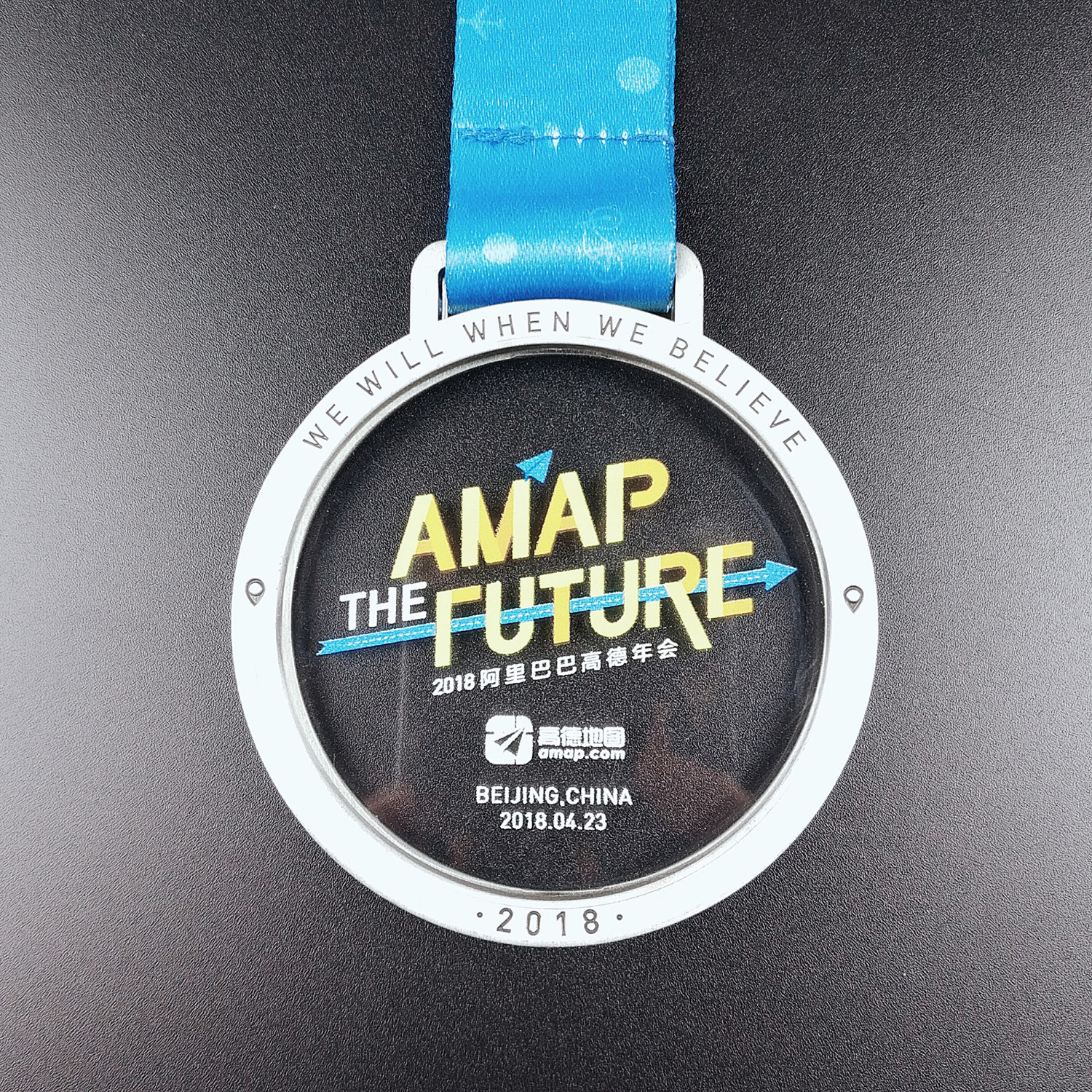
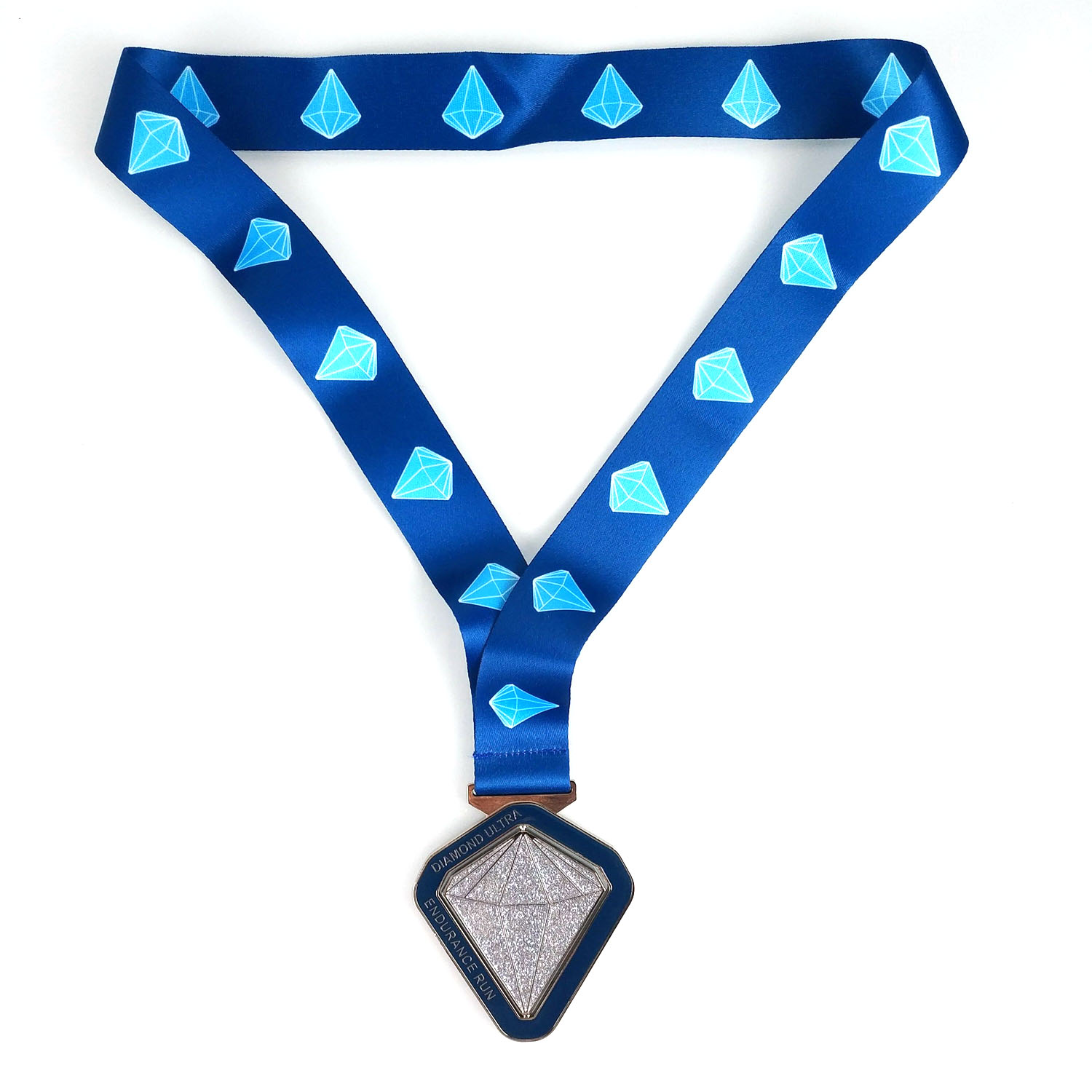
[Image: spinning-medals.jpg — Custom spinning medal with rotating center element and two-tone gold and silver finish]
Pick a Spinner Concept That Fits the Event
The moving part should mean something. A spinning logo for a logo’s sake feels like a trick; a spinning compass at an adventure race feels inevitable.
The compass spinner is our most requested design — a rotating needle or dial inside a fixed directional ring. It fits orienteering, exploration themes, and anything about finding your way. The gear or cog rotator has an industrial feel that lands well for manufacturing conferences, engineering events, and STEM competitions. A multi-layer spinner with two or three independently rotating rings is the premium option — each ring can carry its own color or text, and the result looks like a precision instrument.
Logo spinners work when the brand mark is already circular or balanced. A course-map rotator, where the route spins around fixed landmarks, is popular for cycling and running events. And the before/after reveal — spin to expose a hidden image or message on the reverse — gives participants a reason to keep turning it.
The rule we give buyers: if you can say in one sentence why the center spins, the design will work. If you can’t, it’s decoration.
The Mechanics That Make a Spin Feel Right
The mechanism is simpler than people expect, and that’s the point. Two zinc alloy pieces — the rotor that spins and the stator that holds it — joined by a precision rivet post. No bearings, no springs, no adhesive. Each piece is die-cast separately at 385°C, then assembled.
The critical dimension is the gap between rotor and stator: 0.3mm. Too tight and the spin grinds or seizes. Too loose and the rotor wobbles and rattles — the cheap feel that kills the whole effect. That 0.3mm clearance is dialed in from thousands of spinner runs, and it’s the single most important number in the whole design. We test a new spinner through thousands of continuous rotations before it ships, checking for wear at the rivet post. The design has no springs to fatigue and no bearings to seize, so it either works or it doesn’t — and ours work.
Why no bearings? Because bearings add cost and failure points for a feel nobody can distinguish from a well-tuned rivet post. The minimalism is the strength.
Design Mistakes That Kill a Spinner
Most bad spinners fail in the design phase, not the factory. Here’s what we correct on first-time orders.
Unbalanced rotors. A rotor that’s heavier on one side will spin to the heavy side and stop there — or wobble. Asymmetric shapes, like a star or an animal silhouette, need counterweight design so the mass is distributed evenly around the rivet post. We optimize rotor balance during 3D rendering.
Thin connector arms. If the spinning element hangs off a narrow arm, that arm is the first thing to snap. A satisfying spin needs some heft in the rotor, and a rotor needs mass to carry momentum.
A rotor that’s too small. Below 20mm diameter, the spin is fast and insubstantial — it feels like a toy, not a medal. Larger rotors spin with satisfying momentum.
Friction points. Any place the rotor catches on the stator — a raised letter, a rough edge, a misaligned rivet — turns a smooth spin into a grind. The clearance has to stay clean all the way around.
If you’re submitting artwork, these are exactly the things covered in our medal design guide — getting them right on paper beats fixing them in steel.
Spinning vs Static vs LED: Choosing the Right Interactive Medal
“Interactive” doesn’t always mean “spinning.” Match the interaction to the event.
| Spinning Medal | Static Medal | LED Medal | |
|---|---|---|---|
| Interaction | Rotating rotor | None | Powered light |
| Social share value | High — people film the spin | Low | High — people film the glow |
| Cost vs static | +30–50% | Baseline | +$0.80–$1.50/unit |
| Moving parts | One rivet post | None | Electronics + battery |
| Durability | High — no failure points | Highest | Depends on battery |
| Best event | Adventure, STEM, corporate | Formal, daytime, budget | Night run, festival, evening gala |
The spinner premium comes from two molds instead of one, plus an assembly step. The LED premium comes from components and testing. A static medal is the cheapest and most durable. If the event is daytime and formal, static wins. If it’s after dark, LED wins. If you want people to play with the award in daylight, spinning wins. The LED medals page covers the light-up option in detail, and the materials guide covers what both are made from.
What a Spinner Actually Costs
Expect 30–50% more per unit than an equivalent single-piece medal. That’s not a markup — it’s two molds (rotor and stator) instead of one, plus the assembly labor of joining them at the rivet post. Each piece also goes through its own plating run, which is why a gold rotor with a silver stator costs a small surcharge for the second plating setup.
The premium shrinks with quantity. At 500 pieces the assembly cost is amortized, and at 1,000+ the extra mold cost becomes a rounding error per unit. If the social media reach matters to your event — which it does for most consumer-facing events — the spinner premium usually pays for itself in organic exposure. Our bulk ordering page has the quantity tiers.
FAQ: Spinning Medal Design
Will the spinner mechanism break or seize? It’s very durable. The rivet-post design has no bearings to seize and no springs to fatigue. We test each new design through thousands of rotations before shipping, checking for wear at the rivet post. Under normal use, the mechanism outlasts the medal’s aesthetic life.
Why does a spinning medal cost 30–50% more? Two molds instead of one — the rotor and the stator are separate die-castings — plus an assembly step to join them at the rivet post. Each piece also gets its own plating run, so a two-tone finish adds a small surcharge.
What’s the minimum size for a good spinner? At least 63mm (2.5 inches) outer diameter for the stator, with the rotor at 20mm diameter minimum. Smaller rotors spin too fast and feel insubstantial. A larger rotor carries more momentum and spins with a satisfying feel.
Can the rotor and stator have different colors or plating? Yes. Gold rotor with silver stator is the most requested two-tone combination, but any two finishes work since each piece is plated separately. Different enamel colors per piece are also possible. The contrast makes both finishes read more clearly.
Can I combine spinning with other features? Yes — glitter enamel in the rotor catches light as it spins, and an LED behind translucent enamel in the rotor adds a light show. The LED option needs 5–6mm thickness to house the battery. A bottle-opener insert in the stator is another popular combination.
What design mistakes should I avoid? An unbalanced rotor, a rotor smaller than 20mm, thin connector arms that can snap, and friction points where the rotor catches on the stator. We flag and correct all of these during the free design phase, before any mold steel is cut.
Recommended Reading
- Custom Die Cast Medals: Why 3D Zinc Alloy Creates Superior Detail — how the two rotor and stator pieces are cast
- Custom Medal Design Tips: What Manufacturers Wish You Knew — artwork rules that apply to spinner design too
- How Custom Medals Are Made: Inside Our Die-Casting Factory — the full process from mold to medal