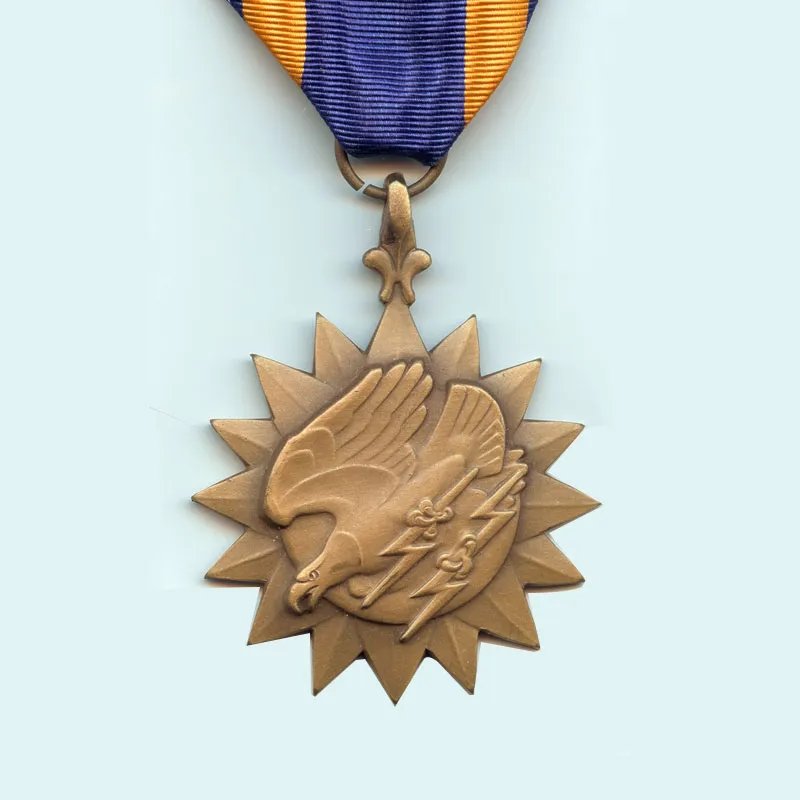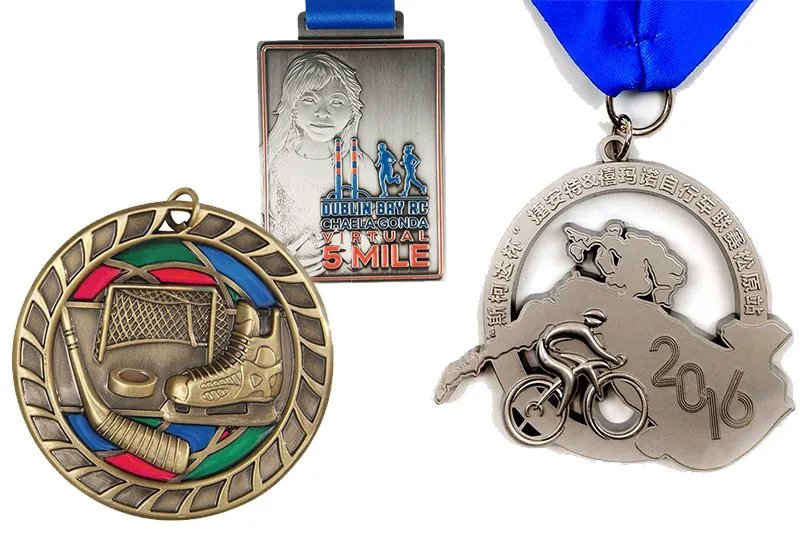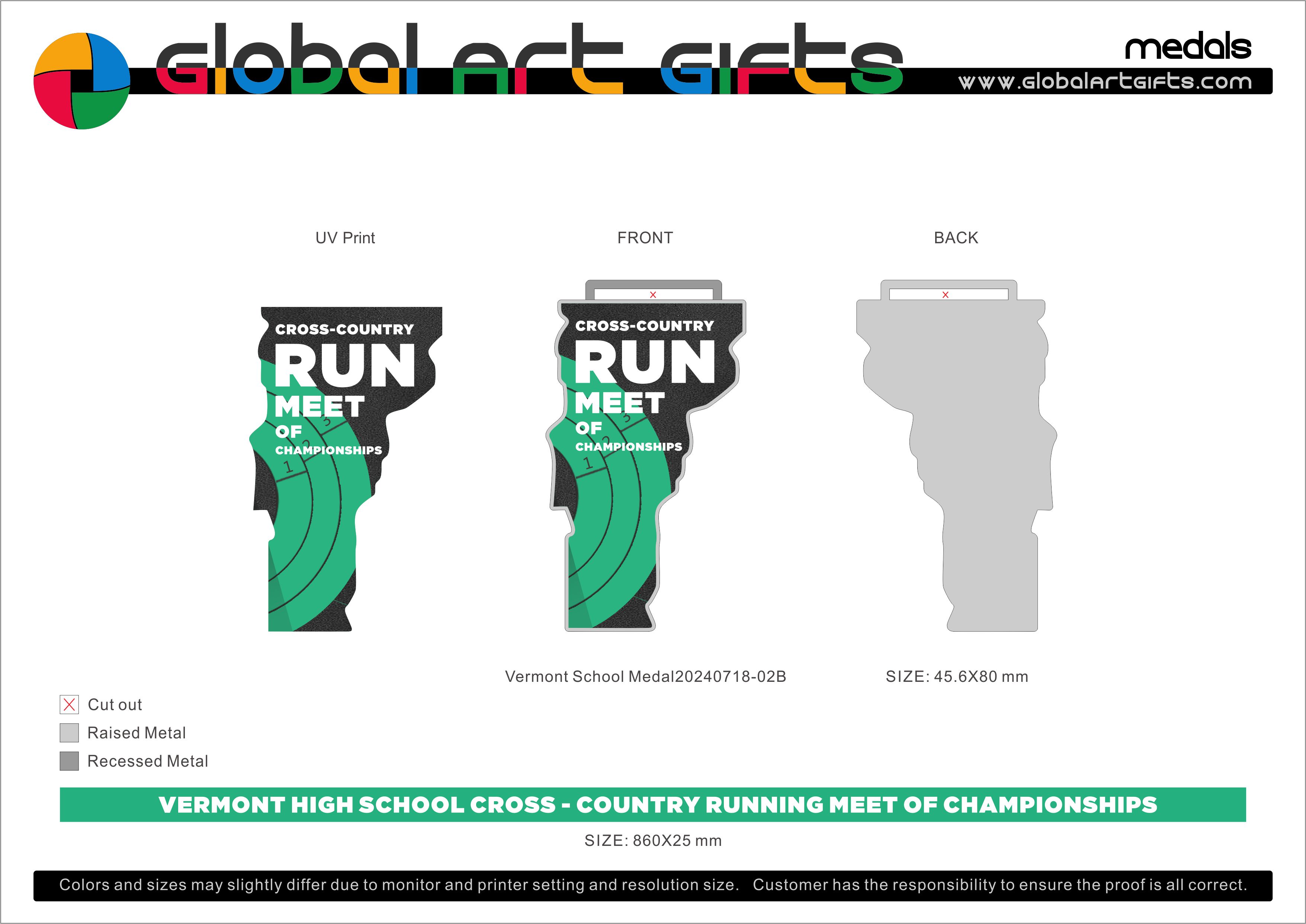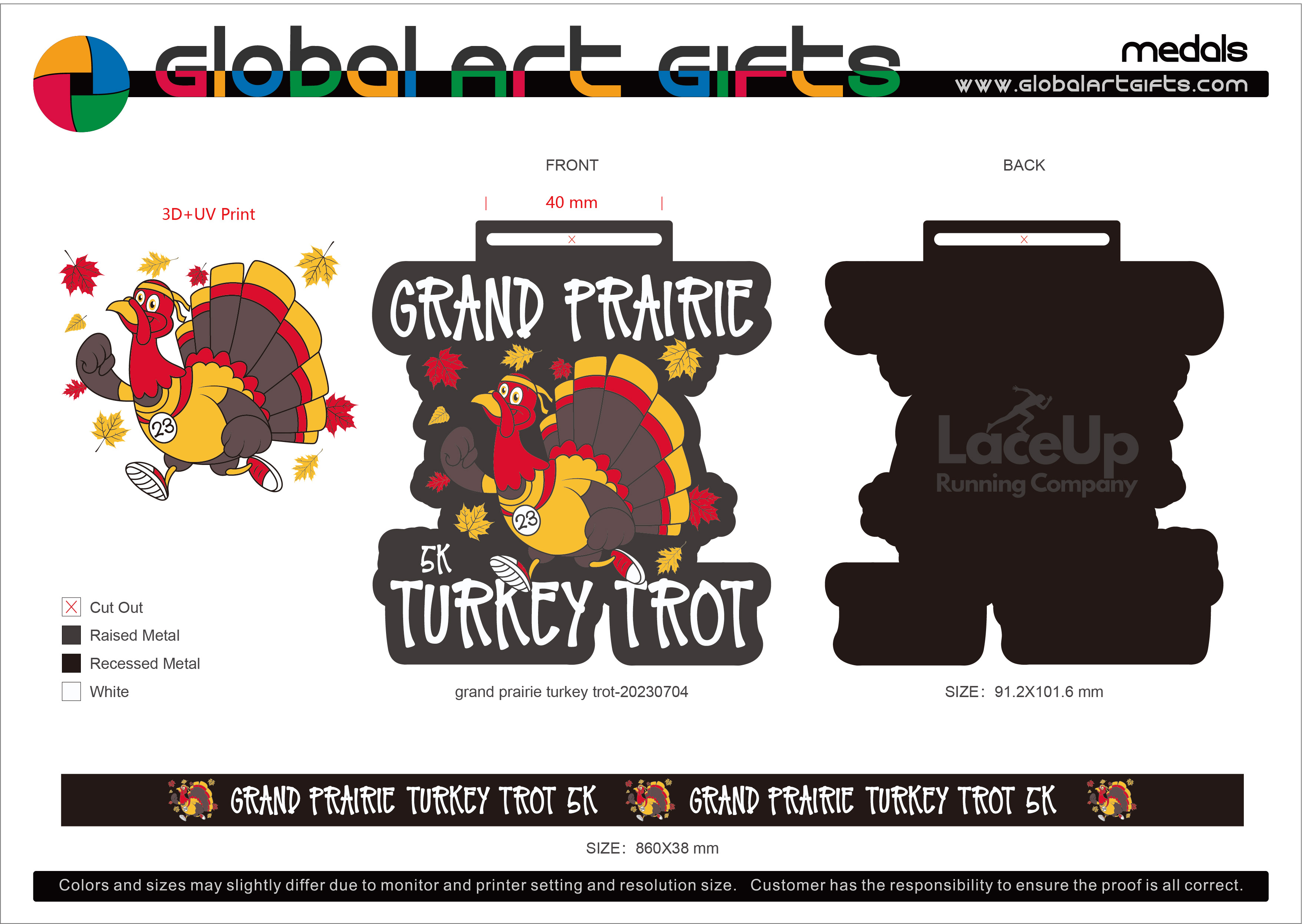
A lanyard and a stress ball aren’t memories. A medal is — because it ends up on a shelf, not in a landfill. That’s why more trade show organizers are swapping swag for custom event medals that turn a handshake into a keepsake. We make these in our Huizhou factory for booths, keynotes, and award dinners, and we’ve learned which designs actually survive the walk back to someone’s office.
What we’ll cover: the five moments at a show where a medal earns its cost, why functional designs get photographed and flat ones don’t, a scenario-by-scenario matchup of show type to medal type, budget options for high-volume handouts, and a timeline counted back from show day so nothing lands late.
[Image: event-medals.jpg — Display of custom event medals in gold, silver, and bronze finishes at a trade show booth]
The Five Moments a Trade Show Medal Earns Its Cost
Medals aren’t the answer for every swag budget. They are for these five moments.
- Exhibitor gifts for visitors — a medal with your logo and the show year outlives a pen.
- Speaker honors — a medal on stage photographs better than a plaque you can’t hold.
- Best booth and demo winners — voted awards that winners actually pin on.
- Staff and crew recognition — your own team, post-show.
- Audience engagement — trivia winners, early-bird prizes, live giveaways.
Each one has a different quantity and a different budget, and each benefits from the same trick: the medal has to be seen after the show.
Why Functional Medals Get Remembered at Shows
A flat medal says “congratulations.” A functional one says “use me.” At a show where everyone’s bag is stuffed with identical swag, the medal that does something is the one that gets shown to a colleague.
LED medals light up on command — a guaranteed photo at an evening reception, and the pull-tab means the battery is fresh on show day. Bottle opener medals do double duty; they’re the swag that ends up on someone’s desk instead of in a drawer. Spinning medals have an inner disc that rotates on a rivet, which reads as a toy and gets fidgeted with through a keynote. And shaped medals — a custom outline instead of a circle — photograph better and tell your story at a glance.
The trade-off is real: functional medals cost more per unit and need more tooling. An LED medal adds electronics and assembly. A bottle opener needs a knurled edge and a thicker blank so it takes the torque. A spinning medal needs a riveted inner disc that turns freely. All of that is a higher unit price than a plain stamped medal — but if your goal is memorability, it’s the same argument as a quality pen over a cheap one.
[Image: bottle-opener-medals.jpg — Bottle opener medals with a knurled edge and enamel logo, ready for trade show giveaways]
Trade Show Scenario vs the Medal Type That Fits
Different show moments need different medals. Match the column to the moment.
| Booth visitor gift | Speaker honor | Best booth / demo award | Staff recognition | |
|---|---|---|---|---|
| Quantity | 500–5,000 | 10–50 | 3–20 | 20–100 |
| Medal type | Stamped iron or zinc, simple enamel | Zinc die-cast, dual plating | Shaped or LED | Zinc with your logo |
| Budget focus | Low per unit | Refined feel, low volume | Wow factor | Mid-range |
| Timeline | Count back from show day | Safe margin | Safe margin | Safe margin |
Low-volume speaker and award medals can afford heavy zinc or even brass. High-volume booth gifts should ride the budget end of the line, because they’re going into hundreds of bags whether anyone remembers them or not.
Budget Options That Don’t Look Cheap
You can hand out 2,000 medals without blowing the swag budget. The trick is material and finish discipline.
Stamped iron or aluminum with a simple one- or two-color enamel fill is the high-volume workhorse — it’s the budget end of our line, and at these volumes the per-unit price drops hard because setup cost spreads thin. Skip multi-layer plating, skip imitation hard enamel, and put the money into the ribbon instead. A full-color printed ribbon carrying your logo, the show, and the year does more branding work than an extra plating layer, for a fraction of the cost.
If you’re running quantity above 1,000, our bulk ordering page is where the tier pricing lives, and the full custom medals catalog helps you compare styles side by side.
The Timeline, Counted Back From Show Day
Shows don’t move. Your medals have to hit the date, so plan the calendar backward from opening day.
Here’s the math at MedalOrigin: free design proof in 24 hours, sample in 7–10 days, mass production in 7–15 days after sample sign-off, then shipping on top. Add it up and a comfortable order runs four to six weeks from first email to the box landing at your booth. Our fastest turnaround has been about two weeks, but that costs a surcharge and adds air freight. Work backward: show in eight weeks means your design should be locked in by week two, your sample signed off by week four, and production running by week five. If your show is closer than that, get in touch through our contact page and we’ll tell you honestly whether we can hit the date.
FAQ: Trade Show Medal Procurement
Are medals a good trade show giveaway? Yes, when the goal is memorability over volume. A medal has a longer shelf life than a lanyard or a stress ball, and a functional design like an LED or bottle opener gets used after the show, which keeps your logo in front of the recipient.
What’s the budget-friendly option for a large quantity? Stamped iron or aluminum with a simple one- to two-color enamel fill. At 1,000+ pieces the per-unit price drops sharply, and spending the savings on a full-color printed ribbon does more branding than a fancier finish.
How far in advance should I order? Four to six weeks minimum for a comfortable standard timeline: 24 hours for the design proof, 7–10 days for a sample, 7–15 days for production, then shipping. For high-volume orders, add a week of buffer. We’ve delivered in as little as two weeks on rush, but it adds cost.
What’s the minimum order for custom medals? 100 pieces per design. High-volume booth gifts scale up easily from there, and per-unit pricing improves at 500, 1,000, and 5,000-piece thresholds.
Do functional medals cost much more? An LED medal typically adds electronics and assembly on top of a standard zinc body, and a bottle opener needs a knurled edge and thicker blank. Budget for a higher per-unit price and a stronger memory — the trade-off is deliberate.
Can I combine medals with other event awards? Yes, and it’s common. Speaker honors, staff recognition, and booth awards can all share one design theme while using different materials and finishes, so the show has a consistent look across every award.
Recommended Reading
- Corporate & Charity Event Medals: A Planning Guide — planning and budget for event awards
- How to Order Custom Medals in Bulk: MOQ, Pricing & Timeline — the full procurement workflow