You run a BJJ tournament. You’ve seen what happens to generic medals — they end up in a gym bag, then a drawer, then the trash. The medals that competitors display on their shelves? Those are the ones that feel like they belong to the sport. Getting custom sports medals right for a martial arts event isn’t about spending more. It’s about knowing which details matter to grapplers and which ones don’t.
Here’s what we’ll cover: why zinc alloy die casting produces the 3D sculpted look BJJ medals demand, how to choose between enamel types and antique finishes, the size and weight sweet spot for combat sports awards, and a production timeline that hits your tournament date.
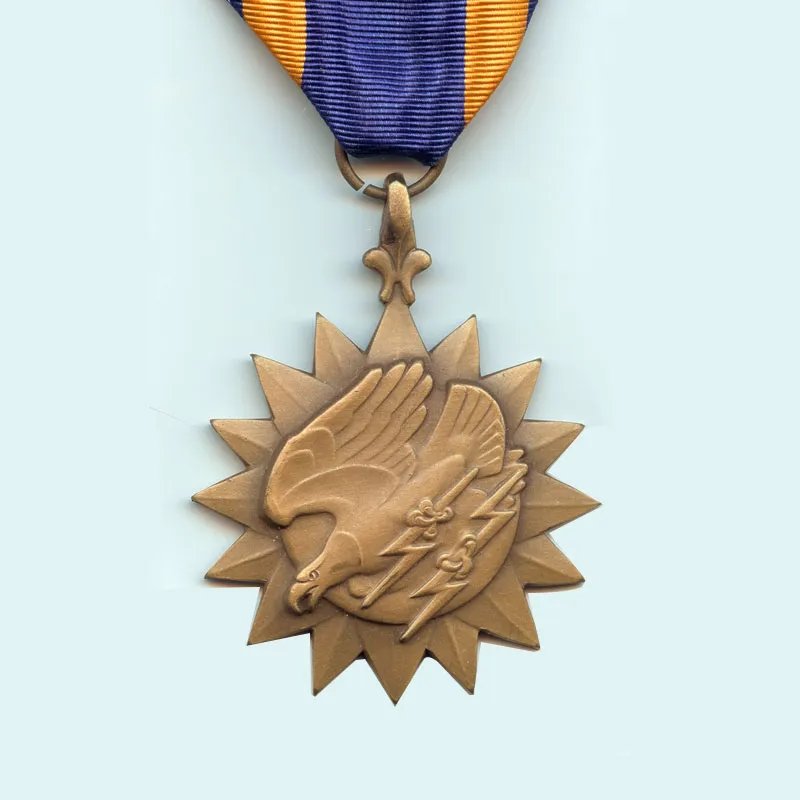
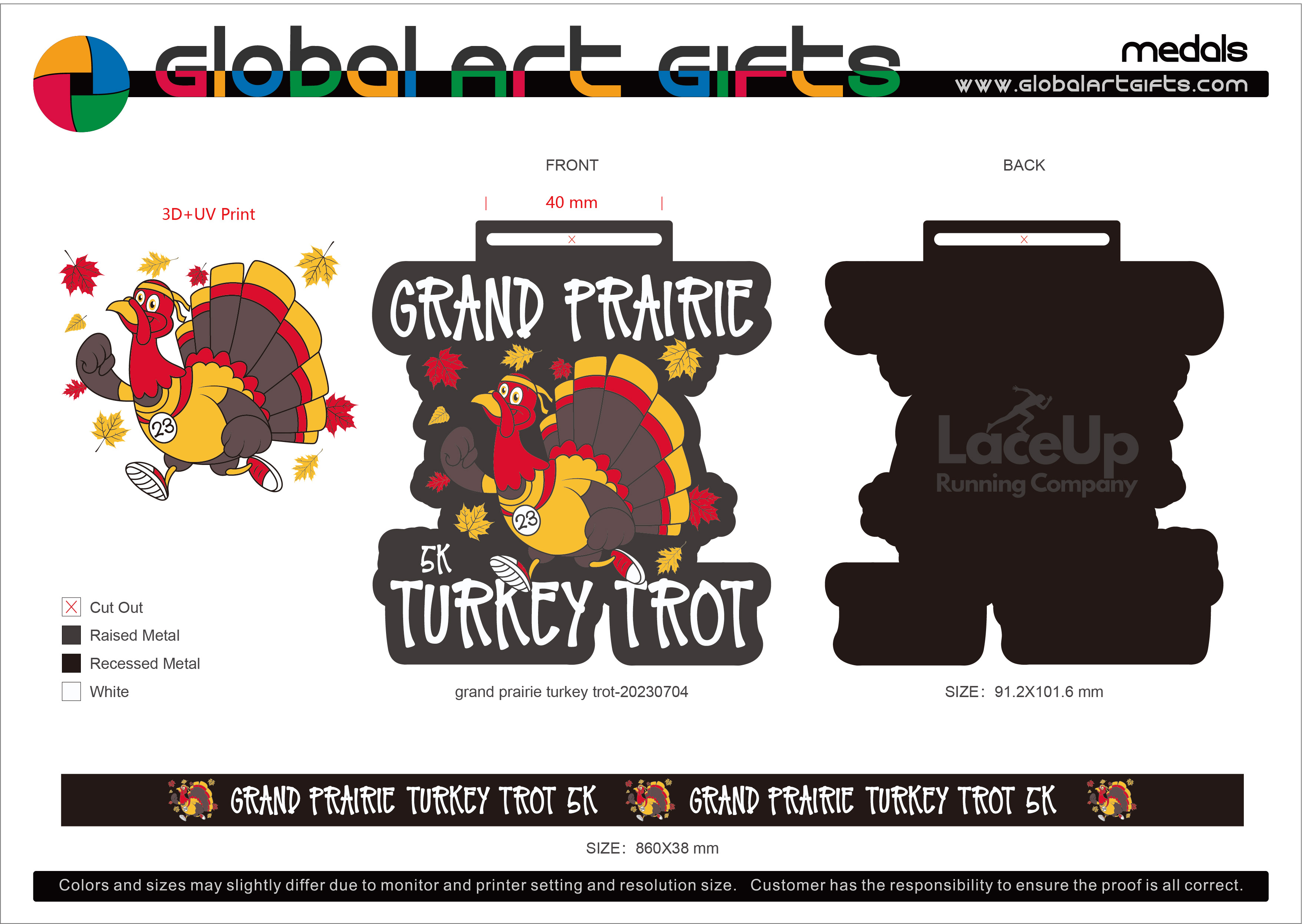
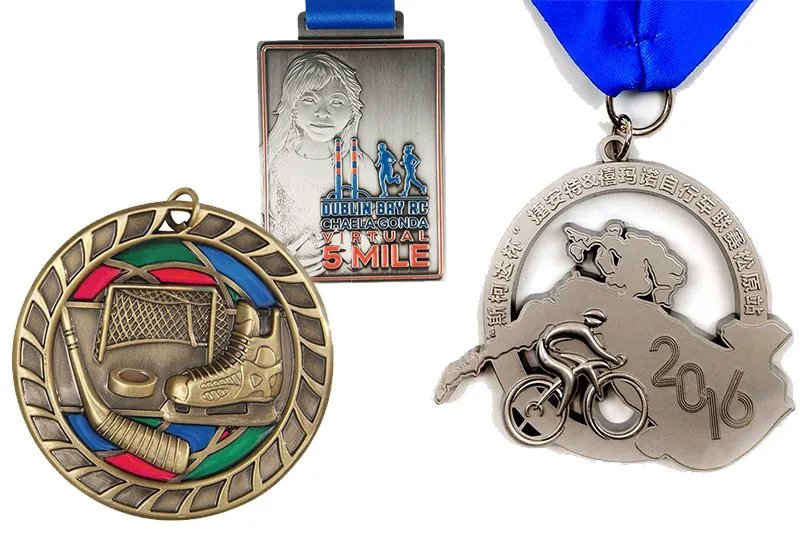
[Image: sports-medals.jpg — Custom 3D die-cast sports medals with detailed relief work, ideal for martial arts tournaments]
Why BJJ Medals Need a Different Approach
A jiu-jitsu competitor’s relationship with their medal is different from a marathon runner’s. A runner might hang their medal on a rack with twenty others. A grappler who just fought six matches across four hours in a gymnasium wants something that captures what that felt like. They’ll study the detail. They’ll run their thumb over the texture.
Most stock medals fail at this. They’re lightweight, flat-stamped, and look identical to every other participation award handed out that weekend. The BJJ community notices. We’ve produced medals for enough combat sports events to know that tournament directors who invest in distinctive awards see it come back in registration numbers the following year. Word gets around.
What Grapplers Actually Care About
| Design Element | Why It Matters for BJJ |
|---|---|
| 3D Relief Depth | A flat medal feels like a toy. Deep sculpting on a gi lapel, a submission pose, or an academy logo gives the medal physical presence |
| Weight | BJJ players associate weight with quality. A 70-90g zinc alloy medal feels substantial in hand without being uncomfortable around the neck |
| Edge Texture | Smooth, polished edges signal craftsmanship. Rough or sharp edges — common on cheap stamped medals — feel disposable |
| Ribbon Width & Material | Standard 15mm ribbon looks undersized on a 70mm+ medal. 25-30mm sublimated ribbon with event branding completes the presentation |
| Finish Durability | Medals get handled, photographed, passed around teammates. Antique plating hides fingerprints and minor wear better than bright mirror finishes |
Material Choice for Combat Sports Medals
For BJJ and martial arts medals specifically, material choice is simpler than most event directors think.
Zinc Alloy: The Standard for a Reason
Zinc alloy (Zamak 3 or 5) accounts for over 80% of the custom medals we produce, and for combat sports it’s the right call nearly every time. At 6.7 g/cm³ density, it delivers satisfying weight — typically 65-85g for a 70mm medal at 3.5mm thickness. More importantly, die casting zinc alloy captures the 3D detail that BJJ medals need: the texture of a gi, the tension in a grip, the contours of a belt.
The alternative is stamped brass or iron. Stamping can’t produce true 3D relief — it pushes metal from one direction, creating shallow single-level detail at best. For a medal design that features a competitor in guard position or an academy crest with multiple depth levels, stamping will disappoint.
When Brass Makes Sense
Brass (8.9 g/cm³) is nearly 35% heavier than zinc and roughly 30% more expensive. For absolute elite competitions — IBJJF World Championship level, invitational superfights, black belt absolute divisions — the extra weight and warm natural tone of brass justifies the cost. But for the vast majority of tournaments, from local opens to regional championships, zinc alloy with antique gold or antique bronze plating produces a result that’s visually indistinguishable from solid brass at a meaningfully lower price.
Our medal materials guide breaks down all five material options with detailed cost and durability comparisons. But for BJJ, the short answer is zinc alloy with antique plating.
Enamel vs. Antique Finish: The Defining Choice for BJJ Medals
This is the decision that most shapes how your medal looks and feels. And for combat sports, the answer often isn’t what first-time buyers expect.
The Case for Antique Finishes
Walk through any BJJ academy’s trophy case and you’ll notice a pattern. The medals that look most impressive aren’t the brightly colored ones — they’re the ones with deep antique patinas. Antique gold, antique bronze, antique silver. The chemical darkening process settles into the recessed areas of the design while the raised surfaces are burnished bright. This creates contrast and depth that makes 3D sculpted details — a competitor’s stance, an academy logo, a submission hold — visually leap off the medal surface.
From a practical standpoint, antique finishes are more forgiving. Fingerprints don’t show. Minor handling wear blends into the patina. Bright gold or nickel plating, by contrast, shows every smudge and scratch. For medals that will be handled by sweaty competitors immediately after stepping off the mat, this matters.
When to Use Enamel Color
Soft enamel makes sense when your tournament branding depends on specific colors. If your academy or event has a signature blue or red that’s part of the identity, enamel fill in those recessed areas ties the medal to your brand. But limit it — one or two accent colors is enough. A full-color enamel medal with five different Pantone fills starts to look like a kids’ soccer participation award. That’s fine for a youth division. It’s not what your adult purple belt absolute champion wants to display.
| Antique Finish (No Enamel) | Soft Enamel with Color | |
|---|---|---|
| Look | Sculptural, serious, vintage | Branded, colorful, accessible |
| Best For | Adult divisions, absolute champions, black/brown belt podiums | Kids divisions, academy in-house tournaments, beginner-friendly events |
| Durability | Excellent — patina hides wear | Good — color sits below metal borders, protected from contact |
| Perceived Quality | High — reads as a serious award | Medium to high — depends on color count and design restraint |
| Cost Difference | Baseline | +5-10% for 1-2 colors; +15-20% for 3+ colors |
The Hard Enamel Option
Hard enamel (imitation hard enamel) produces a glass-smooth surface where color sits completely flush with the metal borders. It’s the most premium look — jewelry-grade. For a tournament’s absolute division champion or a lifetime achievement award, it’s justified. But it’s 20-30% more expensive than soft enamel and adds 3-5 days to production because each medal must be individually polished flat after color filling. For podium medals across multiple weight classes and belt ranks, the cost multiplies quickly.
Size, Weight, and the Podium Experience
Combat sports tournaments present a unique podium challenge: you’re often awarding medals across 20+ divisions in a single day. Your heavyweight brown belt champion and your lightweight blue belt masters division winner are standing on the same podium. The medal needs to look appropriate on both.
The 70mm Sweet Spot
After producing medals for hundreds of martial arts events, we’ve found that 70mm (2.75 inches) is the optimal diameter for adult BJJ divisions. Here’s why:
| Size | Weight (Zinc Alloy, 3.5mm) | Best Application |
|---|---|---|
| 50mm (2”) | 40-50g | Kids divisions, participation medals — feels small on an adult |
| 60mm (2.4”) | 55-65g | Budget adult divisions — acceptable but not impressive |
| 70mm (2.75”) ⭐ | 70-85g | Sweet spot — substantial presence, comfortable neck weight, photographs well |
| 80mm (3.15”) | 90-110g | Championship belts, absolute divisions, superfight winners — statement piece |
| 100mm+ (4”+) | 120g+ | Display-only awards, hall of fame inductions — too heavy for wearing |
At 70mm and 3.5mm thickness, a zinc alloy medal weighs about 75-80 grams. That’s heavy enough to feel significant when it’s placed around your neck, light enough to wear through podium photos and post-tournament celebrations without discomfort. It photographs well — large enough that detail reads clearly in social media posts, which is how most competitors will first see your event’s medals.
Thickness and Edge Design
Standard medal thickness is 2.5-3mm. We push to 3.5mm minimum for BJJ medals. The extra millimeter transforms the medal’s presence — it feels solid rather than sheet-like. Combined with a beveled or rope-textured edge, it catches light and adds perceived value. These are small details that competitors notice when they’re holding two medals side by side, comparing one tournament’s awards to another’s.
Ribbons: The Detail That Completes the Medal
A custom medal on a generic red-white-blue ribbon looks like an afterthought. The ribbon is roughly 28% of the medal’s total visual footprint when worn — it deserves proportional attention.
For BJJ tournaments, we recommend 25-30mm wide sublimated ribbons. This width balances well with a 70mm medal. Sublimation printing allows full-color logos, event names, dates, and sponsor branding embedded into the fabric — not printed on top where it cracks and peels. The ribbon material is polyester satin, which drapes naturally and doesn’t itch against skin.
Color-matching the ribbon to your academy or event branding is standard. Black ribbon with gold text reads as premium. White ribbon with colored accents works for traditional gi-themed events. The attachment hardware — a split ring or swivel clasp — should match the medal’s plating color. A gold medal on a silver ring signals cost-cutting.
For more detailed guidance, our custom medal ribbons page covers material options, width specifications, and attachment types in full.
Production Timeline: Working Backwards from Tournament Day
BJJ tournament dates are fixed months in advance. Working backwards from that date is the reliable way to avoid rush fees and stress.
Standard Timeline
| Stage | Duration | What Happens |
|---|---|---|
| Design & Artwork | 1-2 days | You send your logo/design concept. We return a 3D rendering showing how it translates to a die-cast medal |
| Mold Making | 3-5 days | CNC-engraved steel mold from your approved design. This is the one-time investment |
| Sample Production | 7-10 days | Physical sample produced, photographed from multiple angles, shared for your approval |
| Bulk Production | 7-15 days | Full order manufactured — casting, polishing, plating, color fill, ribbon assembly |
| Quality Inspection | 1-2 days | Three-stage QC on every batch |
| Express Shipping | 3-7 days | Door-to-door with tracking |
Total: 4-5 weeks from design approval to delivery. For larger orders (500+ pieces), add 3-5 days to bulk production. Rush service compresses the timeline to 2-3 weeks for a 20-30% surcharge.
The Critical Insight
The bottleneck isn’t production — it’s design approval. The faster you approve your 3D rendering, the sooner the mold gets cut. We’ve had tournaments go from first contact to medals-in-hand in 18 days because the director approved the design within hours. We’ve also seen four-week timelines stretch to six because design feedback took a week. Your responsiveness is the single biggest variable in the schedule.
For first-time tournament directors, our bulk custom medals page walks through the full ordering workflow — from initial quote to delivery.
Frequently Asked Questions
What’s the minimum order for custom BJJ medals?
100 pieces per design. This is driven by the fixed mold cost — below 100 pieces, the per-unit mold amortization makes individual medals uneconomical. Need fewer? We sometimes batch small orders from different clients onto shared production schedules. It’s worth asking.
Can I mix different sizes or finishes in one order?
Yes — as long as they share the same mold. A common approach: one medal design in three plating colors (gold for 1st, silver for 2nd, bronze for 3rd). These count as one design because they use the same mold. Different sizes or shapes require separate molds.
How do I get multiple belt rank divisions without ordering separate medals?
Use the same medal design across all divisions and differentiate with ribbon color. Blue ribbon for blue belt divisions, purple for purple, brown for brown, black for black. This keeps your mold cost to one design while giving each division distinct presentation. Some tournaments add a small divisional bar or laser-engraved text on the medal back.
What design file do I need to send?
Vector format — AI, CDR, or PDF with fonts converted to outlines. JPEG or PNG logos work but add a day for conversion to engraving paths. If you have a sketch or reference image, our design team can build the production file. This is included at no charge.
How soon before the tournament should I order?
Six weeks minimum for standard production. Eight weeks is comfortable. We’ve delivered in under three weeks with rush service, but it adds cost and removes margin for error. The most common regret we hear: “I wish I’d started this a month earlier.”
Do you store molds for annual tournaments?
Yes. Molds are kept in climate-controlled storage and can be pulled for reorders within 24 hours. This eliminates the mold-making timeline and cost from year two onward. If you run an annual or semi-annual event, storing the mold is a no-brainer.
Related Guides
- Custom Sports Medals: Design Guide for Tournament Awards — Broader sports medal design principles
- Soft Enamel vs Hard Enamel Medals: How to Choose — Deep technical comparison of enamel types
- How to Order Custom Medals in Bulk: MOQ, Pricing & Timeline — The complete procurement guide
Planning a BJJ tournament? Send your event date, expected divisions, and any design ideas to badgeartisans@gmail.com. We’ll return a 3D rendering and quote within 24 hours — free.